
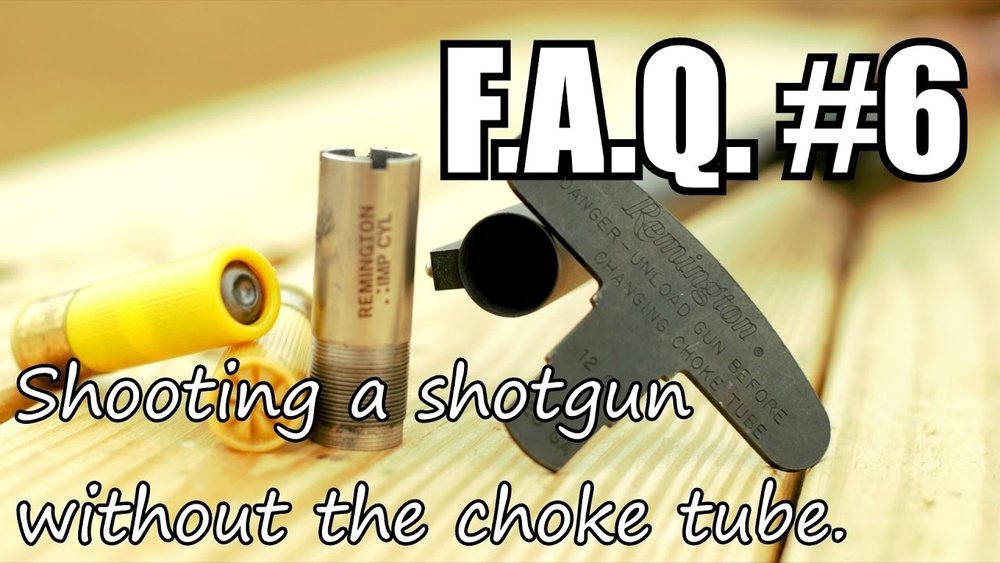
Shooting a shotgun is a favorite pastime for many hunters, sport shooters, and enthusiasts. But questions often come up about the equipment—especially the choke. One common question is: “Can you shoot a shotgun without a choke?” This topic matters because chokes play a key role in how a shotgun behaves, but not all shooters fully understand their purpose. Knowing what happens when you use a shotgun without a choke can help you shoot safely and get the best results.
This article will explain what a choke does, whether you can shoot safely without one, and what changes to expect. You’ll see how patterns are affected, which shells work best, and how safety, accuracy, and performance change. If you’re new to shotguns, or just want to deepen your understanding, you’ll find practical advice, clear examples, and answers to common questions.
What Is A Shotgun Choke?
A shotgun choke is a simple device—usually a small, threaded tube—that you screw into the muzzle end of your shotgun barrel. Its main job is to shape and control the spread of the shot as it leaves the barrel. Some chokes are fixed (built into the barrel), while others are removable and can be swapped to suit different needs.
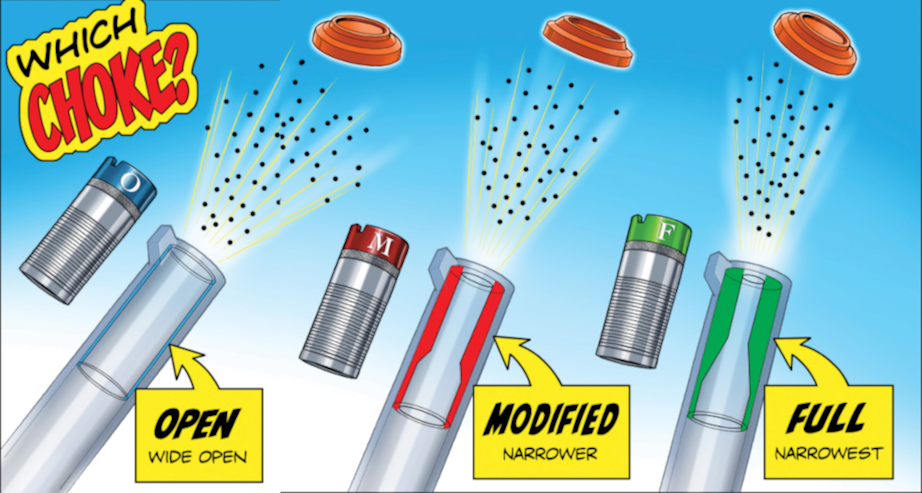
When you fire a shotgun, the pellets spread out in a pattern. The choke tightens or loosens this pattern:
- Tighter chokes (like full or modified) keep the shot together longer, creating a smaller spread at distance.
- Looser chokes (like cylinder or improved cylinder) allow the pellets to spread faster, making a wider pattern at shorter ranges.
This control is vital for hunting and sport shooting because it helps you hit targets effectively, whether they’re close or far.
Can You Shoot A Shotgun Without A Choke?
The short answer is yes, you can shoot a shotgun without a choke—if your gun is designed to do so. Some shotguns have a cylinder bore, which means the barrel is not constricted at all, similar to having no choke. Many older shotguns and some modern tactical models are designed this way.
If your shotgun has a threaded barrel for removable chokes, you should not fire it with the choke tube removed unless you use a special protective thread protector. Firing without a choke tube or protector can damage the barrel threads and even be dangerous.
Key insight: Never shoot a shotgun with an open threaded barrel. Always use a choke or a thread protector to avoid injury or damage.
How Shot Pattern Changes Without A Choke
When you shoot a shotgun without a choke (using a cylinder bore or with no constriction), the shot spreads out very quickly. This affects your accuracy, effective range, and pattern density.
Here’s a simple comparison:
| Choke Type | Pattern Spread (at 25 yards) | Best For |
|---|---|---|
| Full | ~20 inches | Distant targets (e.g., waterfowl) |
| Modified | ~25 inches | Mid-range targets |
| Cylinder (No Choke) | ~35 inches | Close-range, home defense |
With no choke, most of your pellets will spread widely and lose energy faster. This makes it harder to hit small or distant targets but can be useful for very close shots, like home defense or shooting clays at short range.
Safety Considerations
Safety is always the top priority when handling firearms. Shooting without a choke is generally safe if you follow these rules:
- Never fire with open threads: If your shotgun is made for removable chokes, always install a choke tube or a thread protector. Exposed threads can catch gases or debris, causing damage or injury.
- Check manufacturer’s advice: Some shotguns are not designed to be fired without a choke. Always read your owner’s manual.
- Inspect the barrel: Before shooting, make sure there’s no obstruction or damage.
Non-obvious tip: Some shooters forget that firing slugs often requires removing the choke or using a special “slug” choke. Using a tight choke with a slug can be dangerous.

Performance And Accuracy Without A Choke
Without a choke, your shotgun will have a wider shot pattern. This means your effective range is shorter, but you have a better chance of hitting fast-moving, close targets. Here’s how performance compares:
| Scenario | With Choke | Without Choke |
|---|---|---|
| Home Defense | More focused pattern | Wider spread, easier to hit at close range |
| Bird Hunting | Better long-range accuracy | Limits to close shots only |
| Sporting Clays | Customizable pattern | Limited to close, large targets |
Real-world Example
Imagine hunting pheasants in open fields. Without a choke, your pellets spread out quickly, so you might miss birds at 35 yards. With a modified choke, your pattern stays tight enough for a clean shot at that distance.
Types Of Shotgun Ammunition And Choke Use
Different shotgun shells react differently to the absence of a choke. Here’s what you need to know:
- Birdshot: Spreads out quickly without a choke. Best for close targets.
- Buckshot: Also spreads fast, but heavy pellets keep more energy. Still, range is limited.
- Slugs: Usually fired without a choke or with a “cylinder” choke. Never use a tight choke with slugs unless your gun’s manual says it’s safe.
Slugs And Choke Safety
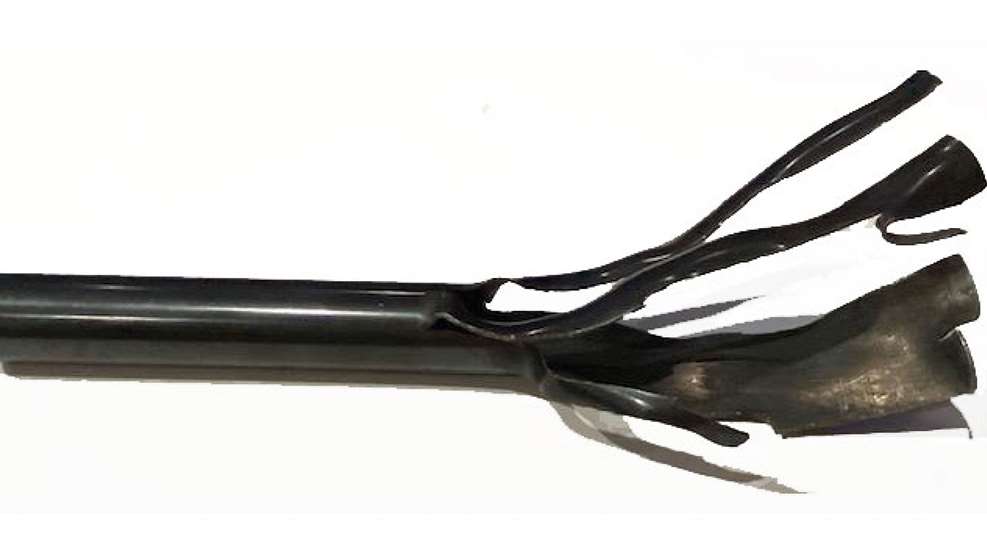
Some shooters don’t realize that firing a slug through a tight choke can cause barrel bulging or even an explosion. Always check the instructions on both your shotgun and ammunition box.
When You Might Want To Shoot Without A Choke
Shooting without a choke has its place. Here are a few scenarios:
- Home defense: A wide pattern increases your chance of hitting an intruder at close range.
- Skeet shooting: Targets are very close, so a wide pattern is ideal.
- Firing slugs: Most slugs work best with a cylinder bore or no choke.
Advanced tip: Some law enforcement shotguns are built with a cylinder bore (no choke) because they’re used at short distances.
Potential Risks Of Shooting Without A Choke
While it’s generally safe, there are some risks:
- Thread damage: Firing a threaded-barrel shotgun without a choke or protector can ruin the threads.
- Decreased accuracy: Patterns become uneven at longer ranges.
- Shorter range: Pellets lose energy and spread too much to be effective beyond 20-25 yards.
Common Myths About Shotguns And Chokes
Many new shooters believe that “more spread is always better. ” In reality, a too-wide pattern means less chance of hitting your target cleanly—especially at distance. Another myth is that chokes are only for hunters. In truth, competitive shooters and home defenders use chokes to match their needs.
Non-obvious insight: Some believe removing a choke increases power. In fact, it does not change the power—only the spread.
What To Do If You Lose Your Choke Tube
Losing your choke tube can happen, especially at the range. Here’s what to do:
- Don’t fire your shotgun if the barrel is threaded for chokes and you have none installed.
- Buy a thread protector or a replacement choke before using the gun again.
- Order from your gun’s manufacturer to ensure a proper fit.
Shooting without a choke tube in a threaded barrel can lead to costly repairs or unsafe situations.
How To Choose The Right Choke Or Go Without
Making the right choice depends on your intended use. Ask yourself:
- What distance will I shoot most often?
- What size target am I aiming at?
- Am I using birdshot, buckshot, or slugs?
If most of your shooting is close range (under 20 yards), a cylinder bore (no choke) might suit you. For longer shots, use the appropriate choke.
Important note: Always check your gun’s manual before changing or shooting without a choke.
Comparison: Choke Vs. No Choke In Practical Use
Let’s compare using a choke versus no choke for different activities:
| Activity | Choke Use | No Choke |
|---|---|---|
| Trap Shooting | Full or Modified for longer ranges | Less effective, missed targets at distance |
| Turkey Hunting | Extra Full for tight pattern | Pattern too wide, not enough pellets on target |
| Home Defense | Improved Cylinder or Cylinder | Works well at short range |
Tips For Beginners
- Start with the basics: Learn what each choke does before trying to shoot without one.
- Test your gun: Pattern your shotgun at different distances with and without a choke to see the difference.
- Never force a slug through a tight choke unless your manual says it’s safe.
- Invest in a thread protector if you plan to shoot without a choke on a threaded barrel.
- Clean your barrel after shooting, as wider patterns can cause more debris buildup.
Extra tip: Visit a local range and talk to experienced shooters. Many have tried shooting with and without chokes and can show you real-world results.
Frequently Asked Questions
Can I Shoot A Shotgun With No Choke Installed?
If your shotgun has a fixed cylinder bore (no threads), you can shoot safely. If your barrel is threaded for chokes, only fire with a choke tube or thread protector installed to avoid damage or injury.
Will Removing The Choke Damage My Shotgun?
Removing the choke does not damage the shotgun if you install a thread protector in a threaded barrel. Never fire a threaded barrel “open”—this can destroy the threads and create safety risks.
Is Shooting Without A Choke Good For Home Defense?
Yes, in many cases. At close range, a wide pattern can increase your chance of hitting the target. Many home defense shotguns use a cylinder bore for this reason.
What Happens To The Pattern If I Shoot Without A Choke?
The pattern spreads much wider and faster. This means shorter effective range and less accuracy at distance, but it can be helpful for hitting close or moving targets.
Can I Shoot Slugs Without A Choke?
Most slugs are designed to be shot through a cylinder bore or with no choke. Always check your gun’s manual and ammunition instructions. Never shoot a slug through a tight choke unless approved.
Shooting a shotgun without a choke is possible and sometimes desirable, but only if you understand the safety and performance changes. Chokes give you control, but for close targets or certain ammunition, going without can be the right choice. Always protect your barrel threads, match your setup to your purpose, and consult your manual or a professional if in doubt. For more detailed information, visit the Wikipedia page on shotgun chokes.
The most important thing is to shoot safely and enjoy your time at the range or in the field, knowing your equipment inside and out.

Leave a Reply