Can You Put A Scope On A Shotgun
Many people think of shotguns as simple, close-range firearms. Some imagine them used for hunting birds, breaking clay targets, or for home defense. But what if you want more accuracy or want to shoot at a longer distance? This is where the idea of putting a scope on a shotgun comes in. Is it possible? Is it useful? What do you need to know before adding a scope to your shotgun? Let’s explore these questions and more, step by step.
Why Consider A Scope On A Shotgun?
Most shotguns come with a simple bead sight or maybe a small rib on the barrel. These sights work well for fast, close shots. But not every shooting situation is so simple.
For example:
- Turkey hunters often need to aim at small targets (like a turkey’s head) at 30-50 yards.
- Slug hunters using shotguns for deer may shoot at targets 50-100 yards away.
- Home defense shooters may want faster aiming in low light.
A scope can give you:
- Better accuracy at medium distances
- Easier target identification
- Confidence for precise shots
So, putting a scope on a shotgun is not just possible; in some cases, it’s a smart upgrade.
Can Every Shotgun Use A Scope?
Not all shotguns are built the same. Before you add a scope, you need to check if your shotgun can accept one.
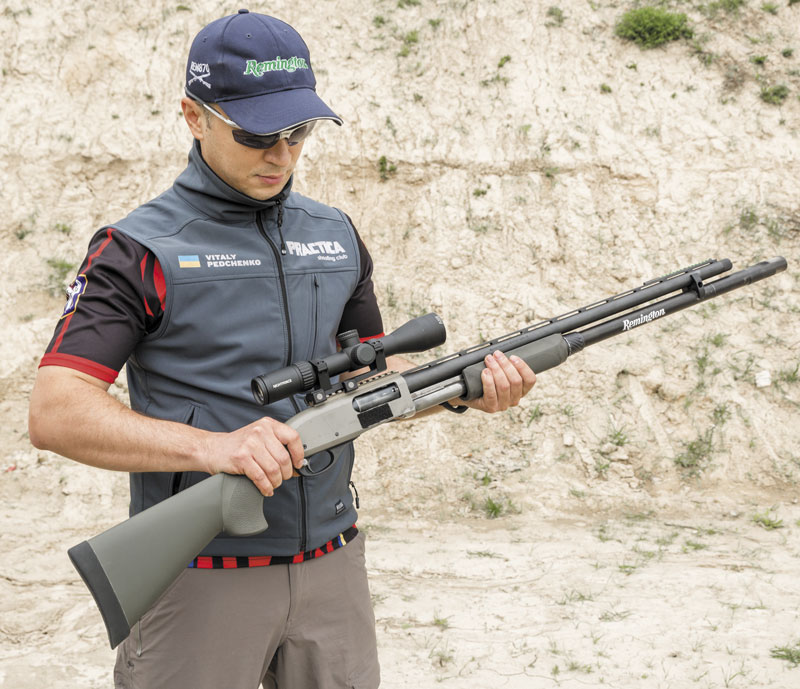
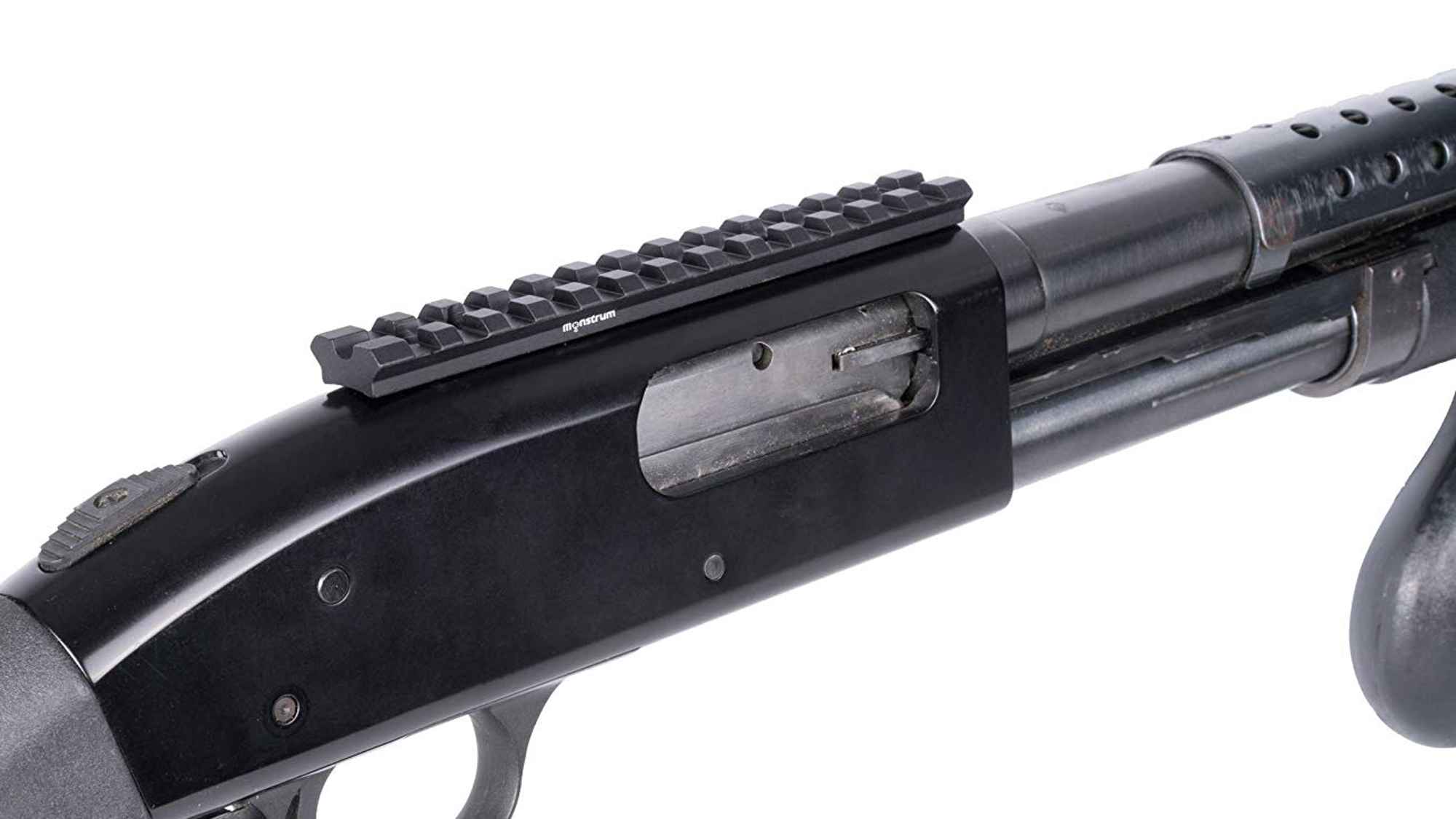
Pump-action and semi-automatic shotguns often have receivers drilled and tapped for mounting rails. Many newer break-action shotguns (like over-unders or single shots) have limited mounting options, and some older shotguns have no way to add a scope without custom work.
Key things to check:
- Is the receiver drilled and tapped for a rail?
- Is the barrel smooth or does it have a cantilever mount?
- Is the action strong enough for a scope mount?
- Does the shotgun have a removable barrel?
If your shotgun isn’t ready for a scope, gunsmiths can often help by drilling and tapping the receiver or installing a custom mount.

Types Of Shotgun Scopes
Shotgun shooters have a few optic choices. Each type fits different needs.
Red Dot Sights
Red dot sights are very popular for shotguns. They give a bright aiming point that is easy to see and fast to use. Red dots work well for moving targets and home defense.
- Pros: Fast target acquisition, good in low light, unlimited eye relief
- Cons: Limited magnification, battery needed
Low-power Scopes
Some hunters use low-power scopes (like 1-4x magnification). These are common for deer hunting with slugs or turkey hunting.
- Pros: Clear image, precise aiming, good for longer shots
- Cons: Heavier, slower for moving targets
Holographic Sights
A holographic sight projects a reticle onto a glass window. They are fast like red dots and are tough enough for hard recoil.
- Pros: Wide field of view, durable, fast target picking
- Cons: Expensive, battery needed
Iron Sights Or Ghost Rings
Some hunters add ghost ring sights or improved iron sights. These are less common but offer more accuracy than a bead.
- Pros: No batteries, light weight, always ready
- Cons: Less precise at long range
Choosing The Right Scope For Your Shotgun
Not all scopes are right for all shotguns. Shotguns have heavy recoil and usually shoot at shorter distances than rifles.
What matters most:
- Durability: Shotguns kick hard. The scope must handle recoil.
- Magnification: Too much is a problem. 1x to 4x is usually plenty.
- Eye relief: A longer eye relief keeps the scope away from your face.
- Mounting options: Check compatibility with your shotgun model.
- Weatherproofing: Water and fog resistance matter for hunting.
Common mistake: Many beginners buy a high-magnification rifle scope for their shotgun. This makes aiming slow and can even break the scope. Always pick a scope rated for shotgun use.
How To Mount A Scope On A Shotgun
Mounting a scope is not hard, but you need to do it right for safety and accuracy.
Steps To Mount A Scope
- Unload the shotgun and make sure it is safe.
- Attach the base or rail (if not already installed). This may involve screws or a clamp-on system.
- Place the rings on the base.
- Set the scope in the rings and adjust for eye relief (distance from your eye to the scope).
- Level the scope so the crosshairs are not tilted.
- Tighten the ring screws slowly and evenly.
- Check everything is secure.
Extra Tips
- Use a torque screwdriver if possible to avoid over-tightening.
- Use thread locker on screws to keep them from loosening under recoil.
- Sight in the scope at your expected shooting distance, usually 50 yards for hunting.
Shotgun Scope Vs. Rifle Scope: What’s Different?
Shotgun scopes and rifle scopes look similar but are built for different jobs.
Here’s a comparison to help you see the differences:
| Feature | Shotgun Scope | Rifle Scope |
|---|---|---|
| Magnification | 1x-4x (sometimes up to 6x) | 3x-9x or higher |
| Recoil Resistance | Very high, built for shotgun kick | Varies, often less than shotgun |
| Parallax Setting | 50-75 yards | 100 yards or more |
| Reticle Type | Simple, bold crosshairs or dots | Finer reticles for precision |
| Durability | Stronger internal parts | May break on shotgun recoil |
Non-obvious insight: Using a rifle scope on a shotgun can often ruin the scope or make aiming very slow and difficult. Always choose a scope made for shotguns.
Best Uses For A Scoped Shotgun
Putting a scope on a shotgun is not for every job. Here are the most common uses:
- Turkey hunting: Pinpoint accuracy is needed to hit the turkey’s head and neck.
- Deer hunting with slugs: A scope helps place shots at 50-100 yards.
- Predator hunting: Coyotes and foxes need quick, accurate shots.
- Home defense: Red dots or reflex sights allow fast target aiming in the dark.
- Target shooting: For slug shooting competitions or accuracy practice.
Some shooters also use scopes for shooting heavy buckshot at longer ranges.
When A Scope Is Not The Best Choice
There are times when a scope can make shooting harder:
- Sporting clays or skeet: Fast-moving targets are best shot with open sights.
- Bird hunting: Traditional bead sights or rib sights are faster and less bulky.
- Trap shooting: A scope slows down target acquisition.
Non-obvious insight: Adding a scope adds weight and can change how your shotgun balances. For fast, instinctive shooting, a scope can get in the way.
Cost And Value: Is It Worth It?
Scopes for shotguns can cost anywhere from $50 to $400 or more. Price depends on features, durability, and brand. Red dot sights are often the most affordable, while high-quality, low-power scopes can be more expensive.
Here’s a quick price comparison:
| Type of Scope | Typical Price Range |
|---|---|
| Red Dot Sight | $50 – $200 |
| Low-Power Scope | $100 – $400 |
| Holographic Sight | $200 – $500 |
| Ghost Ring Sights | $30 – $150 |
A good scope should last for years if properly cared for. If you hunt with slugs, go after turkey, or want a home defense upgrade, a scope is often a good investment.
Common Mistakes When Scoping A Shotgun
- Using a rifle scope: Not all scopes can handle shotgun recoil or short-range focus.
- Over-tightening screws: This can damage the scope tube or strip threads.
- Wrong eye relief: Too close and the scope may hit your face under recoil.
- Choosing too much magnification: Makes target finding slow and difficult.
- Skipping zeroing: If you do not properly sight in the scope, you may miss your target.
- Ignoring weight and balance: A heavy scope can make your shotgun feel awkward.
Practical Tips For Success
- Always use a scope made for shotguns.
- Practice with your scoped shotgun before hunting or home defense.
- Clean both the scope and the lens regularly.
- Re-check the scope’s tightness after every few shots.
- If you change ammo, re-zero the scope. Different slugs or loads may shoot to a different point.
Legal And Safety Considerations
In most places, adding a scope to a shotgun is legal, but some hunting areas have rules about optics. Always check local laws before making changes. Never point a shotgun at anything you do not intend to shoot, and always keep it unloaded when not in use.
Real-world Examples
Many hunters have improved their success by adding a scope. For instance, a deer hunter using a 12-gauge with a low-power scope often hits targets at 75 yards with slugs, which would be much harder with just a bead sight.
In home defense, users report faster target acquisition in low light with a red dot sight.
Maintenance For Scoped Shotguns
Scopes need care to work their best:
- Wipe the lenses after use with a soft cloth.
- Store the shotgun in a dry place to avoid rust.
- Check scope screws and base often.
- Replace batteries in red dots or holographic sights before hunting season.
A poorly maintained scope can fog up, become loose, or even fail when you need it most.
Frequently Asked Questions
Can I Put Any Rifle Scope On My Shotgun?
No, most rifle scopes are not designed for the heavy recoil of a shotgun or for short-range shooting. Always choose a shotgun-rated scope for best results.
What Is The Best Scope Magnification For A Shotgun?
A 1x to 4x scope is ideal for most shotgun uses. Higher magnification is rarely needed and can make aiming slower.
Do I Need A Gunsmith To Mount A Scope On My Shotgun?
Many modern shotguns come ready for scope mounting, but if your shotgun is not drilled and tapped, a gunsmith can install a mount safely and securely.
Will Adding A Scope Affect My Shotgun’s Balance?
Yes, adding a scope will change the weight and balance. Choose a lightweight scope and practice with your gun to get used to the difference.
Is It Legal To Put A Scope On A Shotgun For Hunting?
In most areas, yes, but hunting laws vary by location. Always check your local hunting regulations before adding a scope.
Putting a scope on a shotgun opens up new uses, from hunting to home defense. With the right optic and good mounting, you can make your shotgun more accurate and versatile. If you want more detailed information on firearm optics, you can visit the Wikipedia page on gun sights for technical details.
With the right choice and setup, a scoped shotgun can be an effective tool for many shooting tasks. Remember, always put safety and proper training first when making changes to your firearms.

Leave a Reply