
Can You Hunt With A Thermal Scope During The Day
Thermal scopes have changed the way hunters and outdoor experts see their environment. Many people imagine thermal scopes as nighttime tools, but you might wonder: Can you hunt with a thermal scope during the day? The answer isn’t as simple as yes or no. There are laws, technology details, and practical limits to consider before you head out with a thermal scope in daylight.
This article is your friendly mentor, guiding you through what’s allowed, how thermal scopes work under the sun, and what you must know to use them safely and effectively. If you’re a hunter, land manager, or just curious about thermal optics, you’ll find all your questions answered here.
Understanding Thermal Scopes
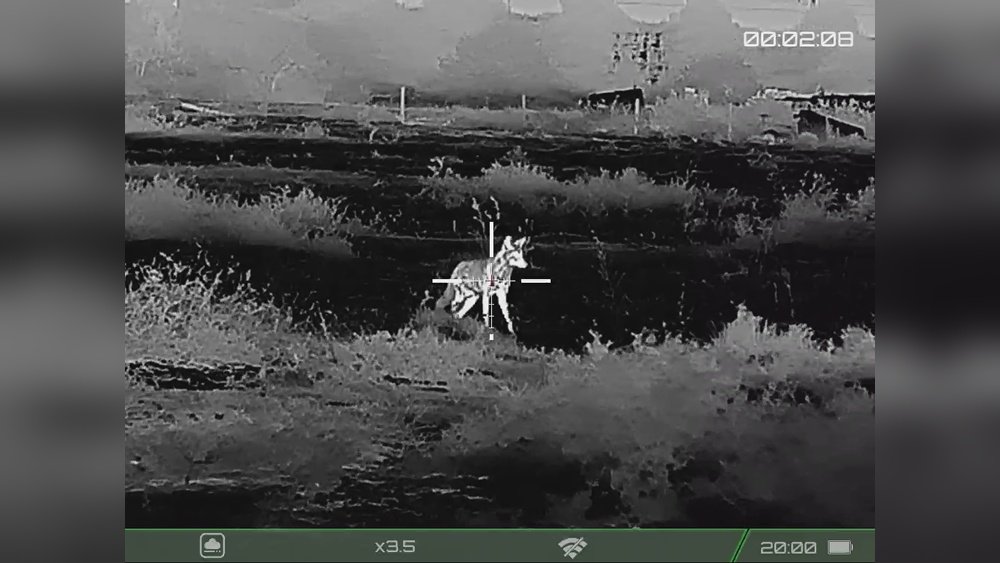
Thermal scopes detect heat energy (infrared radiation) instead of visible light. All living things, vehicles, and even the ground emit some level of heat. Thermal scopes show this heat as images, often with warmer objects appearing brighter or in color, depending on the display settings.
Unlike night vision scopes, which need at least some light, thermal optics work in complete darkness, through fog, and even in some light rain. They are popular for spotting wildlife, search and rescue, and security.
How Do They Work In Daylight?
Thermal scopes do not rely on visible light, so they can function both at night and during the day. However, the thermal contrast (difference in temperature between objects and their background) can be lower during daytime, especially under direct sunlight. For example, a deer may stand out less against a sun-warmed field than it would at night.
Still, modern thermal scopes often have adjustable settings to help users see heat signatures in bright conditions. Some high-end models also include features that reduce glare and enhance contrast, making them more usable during the day.
Is It Legal To Hunt With A Thermal Scope During The Day?
One of the most important things to check before using a thermal scope for hunting during the day is the law. In many places, thermal optics are tightly regulated, especially for hunting.
Laws Vary By State And Country
- In the United States, some states allow thermal scopes for hunting certain animals, while others ban them completely.
- In Europe, countries like Germany and France have strict rules against thermal hunting optics, while others allow them for pest control.
- In some places, you may need a special permit to own or use a thermal scope.
Always check the latest local hunting regulations before you go out. Using a thermal scope illegally can result in heavy fines, loss of hunting license, or even criminal charges.
Example: U.s. State Regulations
| State | Thermal Scope Legal for Hunting? | Notes |
|---|---|---|
| Texas | Yes | Allowed for feral hogs, coyotes |
| California | No | Prohibited for all hunting |
| Florida | Yes | Allowed for wild hogs, nuisance animals |
| New York | No | Use of any electronic night vision illegal |
Insight: Some hunters assume if thermal scopes are legal at night, they’re also legal during the day. This is not always true. Some laws are based on the device itself, others on the time of use, and some on the animal being hunted.

Performance Of Thermal Scopes In Daylight
Hunting with a thermal scope during the day is possible, but there are practical factors that affect how well it works.
Advantages
- See Through Camouflage: Animals that blend into their environment visually still show up as warm targets.
- Spot Hidden Animals: Tall grass, brush, or partial cover is less of a problem, since heat passes through some visual obstacles.
- Faster Target Acquisition: You can spot moving or resting animals quickly, especially in mixed terrain.
Challenges
- Reduced Contrast: On a hot day, the ground and rocks may be almost as warm as an animal. This makes it harder to spot targets.
- Sun Glare: Direct sunlight can create glare on your scope’s screen, making it harder to see.
- Battery Drain: Daytime use often requires higher brightness settings, which can use up batteries quickly.
- Cost: Quality thermal scopes are expensive, and daytime use may not justify the investment for casual hunters.
Real-world Example
A rancher in Texas uses a thermal scope to hunt wild hogs. At night, the animals stand out brightly against a cooler background. But during the day, especially in summer, the hogs are harder to spot because the ground is warm.
The rancher has to adjust the scope’s settings and look for movement or areas with shade, where the temperature difference is larger.
How To Use A Thermal Scope During The Day
If you decide to hunt with a thermal scope in daylight, follow these steps to get the best results.
- Know Your Scope: Learn how to adjust brightness, contrast, color palettes, and digital zoom. Every model is different.
- Scan Slowly: Heat signatures can blend into the background, so move your field of view slowly.
- Look for Movement: Sometimes, an animal’s outline is faint, but movement gives it away.
- Use Shade to Your Advantage: Animals in shade are easier to spot because the temperature difference is greater.
- Check the Weather: Overcast or cooler days provide better contrast than hot, sunny days.
- Carry Extra Batteries: Daytime settings use more power.
- Practice: Spend time learning how animals look in your scope under different conditions.
Key Features To Look For
| Feature | Why It Matters |
|---|---|
| High Resolution | Sharper images for identifying animals |
| Adjustable Color Palettes | Switch between “white hot,” “black hot,” or color for better visibility |
| Refresh Rate | Smoother tracking of moving targets |
| Ruggedness | Withstands sun, dust, and rough use |

Common Mistakes When Using Thermal Scopes In Daylight
- Ignoring the Law: Hunters sometimes skip checking regulations, risking serious penalties.
- Expecting Night-Like Performance: Daytime hunting can be less effective due to thermal washout.
- Overlooking Battery Life: Many users forget to bring enough power for extended use.
- Relying Only on Technology: Good hunting skills are still essential. Thermal scopes are tools, not magic solutions.
- Forgetting About Sun Damage: Leaving your thermal scope exposed to direct sunlight can damage sensitive components.
Non-obvious Insight
Some beginners believe that all thermal scopes are “day/night” devices. In reality, some lower-cost models can overheat or suffer permanent sensor damage if used in intense sunlight for long periods. Always check the manufacturer’s guidelines for safe daytime use.
Benefits And Limitations Compared To Other Optics
Thermal scopes are just one option. Here’s how they stack up against other common hunting optics:
| Optic Type | Works in Day? | Works in Night? | Sees Through Brush? | Detects Heat? |
|---|---|---|---|---|
| Thermal Scope | Yes, but with limits | Yes | Yes (partly) | Yes |
| Night Vision Scope | Some models | Yes | No | No |
| Standard Rifle Scope | Yes | No | No | No |
Non-Obvious Insight: On very hot days, a quality glass scope may sometimes make it easier to spot and identify animals than a thermal scope, which can be blinded by heat.
Who Should Use A Thermal Scope During The Day?
- Predator and pest hunters: If you hunt animals like feral hogs or coyotes (where legal), thermal scopes can help spot them even in brush or tall grass.
- Land managers: Those who need to control invasive species may benefit from all-day use.
- Wildlife observers: Researchers looking for heat signatures in a variety of conditions may find thermal scopes useful.
However, if you are a casual hunter, or mainly hunt in cooler seasons, a good pair of binoculars or a standard scope may be more practical and cost-effective.
Maintenance And Care Tips
Daytime use can be harder on your scope. Here are a few tips to keep your equipment in top shape:
- Keep the lens clean: Dust and sun can scratch or damage the lens.
- Store properly: Avoid leaving the scope in direct sunlight or hot vehicles.
- Check battery contacts: Heat can cause corrosion; clean them regularly.
- Update software: Some digital thermal scopes have firmware updates to improve performance.
Safety And Ethical Considerations
Thermal scopes make hunting more effective, but they also raise ethical questions. Using advanced technology can give hunters a big advantage. Always follow local hunting ethics and fair chase principles. Respect bag limits and avoid over-harvesting wildlife populations.
Frequently Asked Questions
Is It Safe To Use A Thermal Scope In Direct Sunlight?
Most modern thermal scopes can be used in daylight, but extended exposure to direct sunlight can overheat the sensor or damage the display. Check your manual for safe use guidelines.
Do Animals Notice The Use Of Thermal Scopes?
No, thermal scopes do not emit visible light or noise, so animals are not aware you are using them.
Are Thermal Scopes Better Than Night Vision During The Day?
Thermal scopes work better than night vision during the day because they don’t need visible light. Night vision can be damaged by bright light.
Can You Record Video With A Thermal Scope During The Day?
Many digital thermal scopes allow you to record video and take photos during the day. Check your model’s features for details.
Where Can I Learn More About Thermal Scope Laws And Technology?
A reliable source for up-to-date information is Wikipedia’s page on thermal imaging cameras.
Hunting with a thermal scope during the day is possible, but it is not always simple. Legal issues, technical limits, and ethical questions must all be considered. For those who need all-weather, all-light performance, thermal scopes can be a powerful tool.
Just be sure to use them wisely, follow the law, and respect wildlife.

Leave a Reply