Can You Hunt Deer With Thermal Scope
Hunting deer has changed a lot in the last decade. New technology helps hunters see, aim, and shoot more accurately—even at night. One tool that gets a lot of attention is the thermal scope. These scopes let you see heat signatures, making it possible to spot animals even in total darkness. But can you really use a thermal scope for deer hunting? Is it legal? What are the pros, cons, and best practices? Let’s dive into the full picture, from laws to real-life use, so you can decide if a thermal scope is right for your next hunt.
What Is A Thermal Scope?
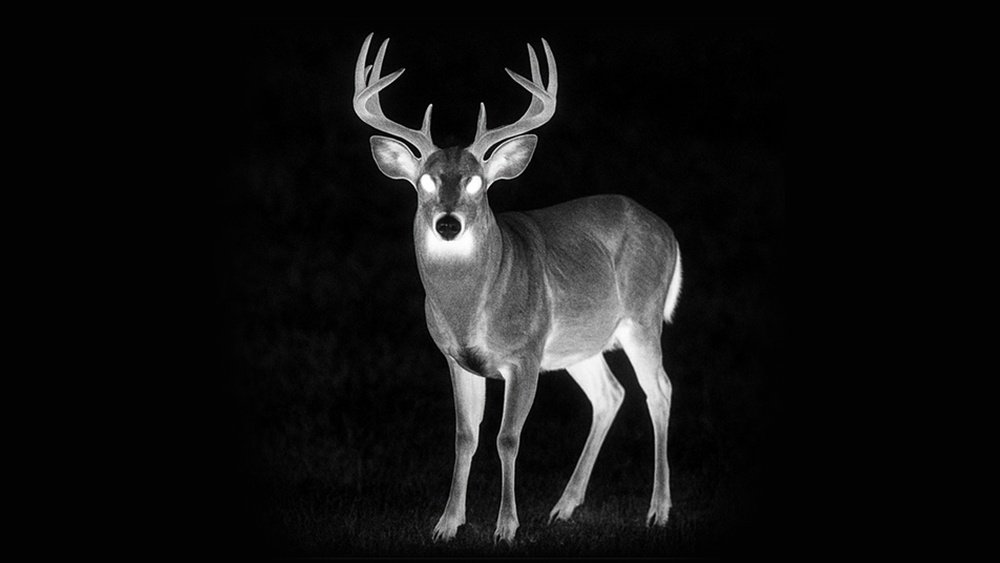
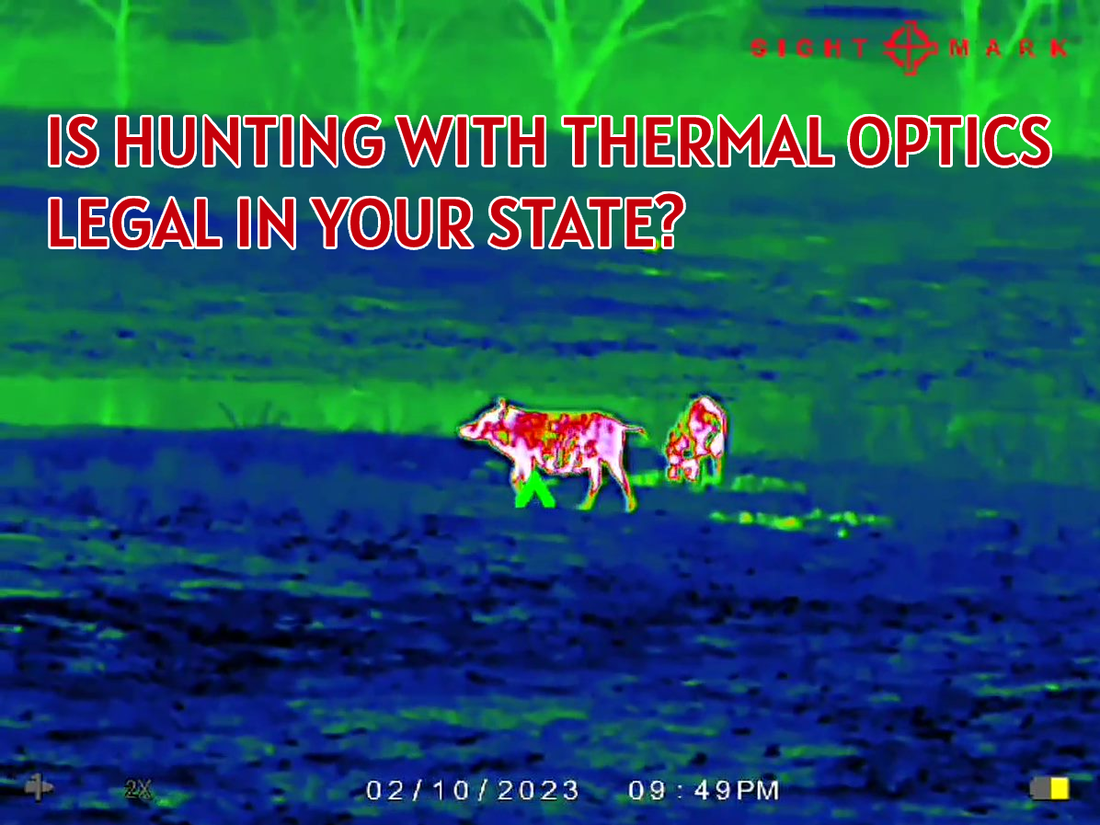
A thermal scope is an optic that detects heat (infrared energy) instead of regular light. Everything with a temperature above absolute zero gives off some heat. Deer, people, and even rocks all emit infrared energy, but living animals are much easier to spot because they are warmer than the environment.
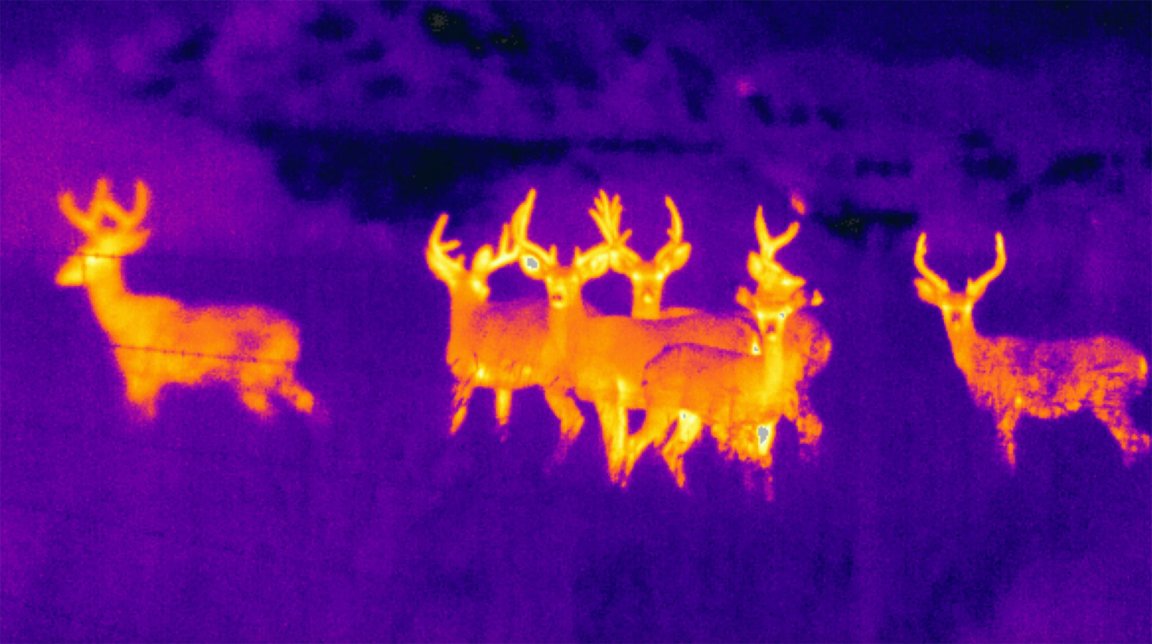
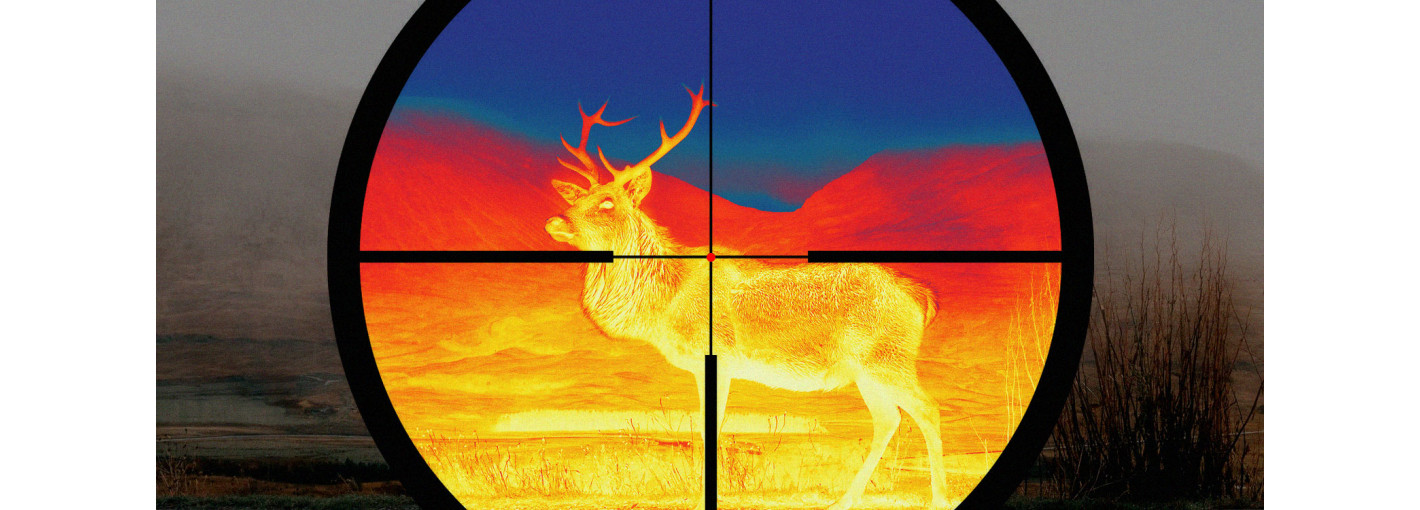
When you look through a thermal scope, you see a picture based on temperature. Warm things, like animals, appear bright, while cool things look darker. This is different from a night vision scope, which only works if there is some light.
Thermal scopes often have features like:
- Digital zoom
- Video recording
- Multiple color palettes (white-hot, black-hot, etc.)
- Range estimation
These features help hunters find, track, and identify deer even in tough conditions.
Is It Legal To Hunt Deer With A Thermal Scope?
The answer depends on where you live—and it’s not always simple. In the United States, hunting laws change from state to state. Some states ban thermal scopes for deer hunting. Others allow them, but only for certain animals or during specific seasons.
Here’s a quick comparison for a few popular hunting states:
| State | Thermal Scope Legal? | Notes |
|---|---|---|
| Texas | Yes | Allowed for feral hogs, exotics; check deer regulations |
| Georgia | No | Thermal scopes not allowed for deer |
| Wisconsin | No | All electronic sighting devices banned for hunting big game |
| Alaska | Yes | Allowed for predator control, not for deer |
| Florida | Yes (with restrictions) | Night hunting laws apply |
Key insight: Many states allow thermal scopes for nuisance animals, like hogs or coyotes, but not for deer. Always check your local regulations before using a thermal scope for deer hunting. Breaking the law can lead to heavy fines, loss of hunting rights, and even jail time.
How Thermal Scopes Work For Deer Hunting
Thermal scopes give you a real advantage in certain situations. Let’s look at how they work in the field.
Spotting Deer At Night
Deer are most active at dawn, dusk, and sometimes at night. In thick woods or on cloudy days, seeing them with the naked eye is hard. A thermal scope lets you spot the heat signature of a deer, even if it’s hiding behind brush or far away.
Tracking Wounded Deer
If you wound a deer and it runs, finding it fast is important. Blood is warmer than the ground, so a thermal scope can help you follow a blood trail—something very hard to do with just a flashlight.
Identifying Your Target
One challenge with thermal scopes is that they show heat, not details. You may see a large, warm animal, but you can’t always tell if it’s a buck, doe, or even a deer at first glance. For safe, ethical hunting, you must be sure before you shoot.
Sometimes, using a thermal scope together with a regular scope or binoculars is the best option.
Advantages Of Using A Thermal Scope For Deer Hunting
Thermal scopes offer several unique benefits for hunters. Here are the main ones:
- See in total darkness: No need for moonlight or flashlights.
- Spot hidden animals: Deer behind bushes or tall grass are easier to find.
- Track after the shot: Follow warm blood trails to recover your deer.
- Works in bad weather: Fog, rain, and smoke don’t affect thermal as much as night vision.
- Quick scanning: You can scan large fields quickly for any heat signature.
Non-obvious tip: Thermal scopes are also useful for finding your hunting partners at night, making group hunts safer.
Disadvantages And Limitations
Thermal scopes are not perfect. There are real downsides you should know:
- Expensive: Good thermal scopes can cost $2,000–$8,000 or more.
- Heavy and bulky: They add weight to your rifle.
- Battery life: Most last only 4–8 hours on a charge.
- Legal issues: Risk of breaking hunting laws if not careful.
- Image quality: Hard to judge antler size or age of the deer.
- Learning curve: Takes time to read thermal images accurately.
Important insight: Some hunters think thermal scopes make hunting too easy. This is controversial, and some states ban them to keep hunting fair.
Comparing Thermal Scopes To Night Vision
Many hunters wonder if they should use a night vision scope instead. Here’s a side-by-side look:
| Feature | Thermal Scope | Night Vision Scope |
|---|---|---|
| Works in Total Darkness | Yes | Needs some light |
| Sees Through Fog/Brush | Good | Poor |
| Image Detail | Low (shows heat) | High (shows shape) |
| Price | High | Medium |
| Battery Life | Shorter | Longer |
Practical advice: If you need to see detail (like antlers), night vision may be better. For spotting movement in thick woods or at night, thermal is hard to beat.
How To Choose A Good Thermal Scope For Deer Hunting
If you decide to buy a thermal scope, here’s what matters most:
- Sensor resolution: Higher numbers (like 640×480) give clearer images. Don’t go below 320×240 for hunting.
- Refresh rate: 30Hz is minimum; 50Hz is smoother for moving animals.
- Detection range: Good scopes spot deer at 1,000 yards, but you want clear ID at 200–300 yards.
- Battery life: Look for scopes with removable batteries or external power options.
- Reticle options: Multiple reticles help in different hunting situations.
- Durability: Make sure it’s waterproof and shockproof.
Here’s a quick comparison of popular models:
| Model | Resolution | Detection Range | Battery Life | Approx. Price |
|---|---|---|---|---|
| Pulsar Thermion 2 | 640×480 | 2000 yards | 5 hrs | $4,500 |
| ATN Thor 4 | 384×288 | 1000 yards | 16 hrs | $2,500 |
| Trijicon Reap-IR | 640×480 | 1500 yards | 4 hrs | $7,000 |
Mistake to avoid: Buying a cheap, low-resolution scope. You won’t see enough detail, and your hunting experience will suffer.
Real-world Tips For Using A Thermal Scope
Using a thermal scope takes practice. Here are some tips from experienced hunters:
- Practice before hunting: Learn to read thermal images in your backyard or at the range.
- Check your local laws often: Rules change, and ignorance is not an excuse.
- Carry spare batteries: Cold weather drains batteries fast.
- Use landmarks: Thermal images can be confusing. Mark your location before chasing a deer.
- Combine with regular optics: Use binoculars or a daytime scope for positive ID.
- Stay ethical: Only shoot when you are 100% sure of your target.
Less-known advice: Some thermal scopes can be seen by other devices. If you’re hunting with others, make sure your scope doesn’t give away your position.
Ethical Considerations
There is ongoing debate about whether thermal scopes are fair chase. Some hunters believe thermal makes it too easy, especially at night. Others argue it’s just another tool, like a rangefinder or GPS.
If you want to keep hunting ethical:
- Only hunt during legal hours.
- Don’t take risky shots just because you “see” heat.
- Respect property lines and private land.
Remember: Good hunters respect the animal, the law, and other hunters.
International Laws On Thermal Scope Use
In countries like Canada and most of Europe, thermal scopes are tightly controlled. Many places ban them for hunting game animals. Always check national and local laws before taking a thermal scope abroad.
For more on international regulations, see the guide from the Wikipedia: Thermal Imaging.
Frequently Asked Questions
Can You Use A Thermal Scope For Deer Hunting In Every State?
No, you cannot. Laws vary by state. Some states allow thermal scopes for deer, others do not. Always check your local hunting regulations before using a thermal scope.
Is A Thermal Scope Better Than Night Vision For Deer Hunting?
It depends on your needs. A thermal scope is better for spotting animals in thick cover or total darkness, but night vision shows more detail. Many hunters use both for the best results.
Will A Thermal Scope Spook Deer?
Thermal scopes do not give off visible light, so deer cannot see them. However, some models make noise or show a small red glow at the lens. Always test your gear before hunting.
How Far Can You See Deer With A Thermal Scope?
High-end thermal scopes can detect deer at over 1,000 yards. But for positive identification, most hunters are limited to 200–300 yards.
Do Thermal Scopes Work In The Daytime?
Yes, thermal scopes work both day and night. They detect heat, not light, so sunlight or darkness does not matter.
Hunting with a thermal scope can be a game-changer—but only if you use it legally and ethically. Learn your local laws, practice with your gear, and always put safety and fair chase first. If you do, thermal technology can open new doors in the world of deer hunting.

Leave a Reply