
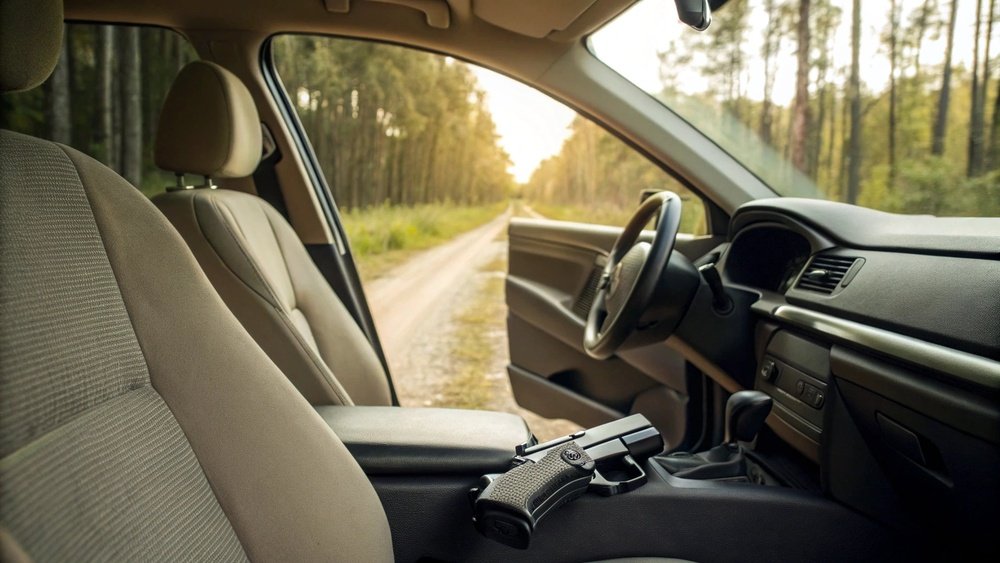
Carrying a handgun in your car can make some people feel safer, but in Oregon, the laws about this are more complex than many realize. If you own a firearm, or are thinking about getting one, it’s important to know exactly what is allowed—and what isn’t—before you transport a handgun in your vehicle.
Breaking the law, even by accident, can lead to serious trouble including fines, having your gun confiscated, or even criminal charges. Let’s look at what every Oregon gun owner should know about carrying a handgun in a car, who the rules apply to, and how to stay on the right side of the law.
Oregon Gun Laws: The Basics
Oregon is known as a shall-issue state for concealed handgun licenses (CHLs). This means that if you meet certain requirements, the state must issue you a license. However, Oregon also has its own mix of rules for transporting firearms, especially handguns. For example, Oregon does not require gun registration, but it does have restrictions on how you can carry or transport a handgun in a vehicle.
Key Terms To Understand
- Concealed carry: Having a gun hidden from view, such as under a seat or in a glove box.
- Open carry: Carrying a gun where it can be seen, like on your hip.
- Loaded firearm: A gun that has ammunition in it, ready to fire.
Understanding these terms is important because Oregon laws treat concealed carry and open carry differently, especially when it comes to vehicles.
Can You Carry A Handgun In Your Car In Oregon?
The short answer is: Yes, but with conditions. Whether or not you can legally carry a handgun in your car depends on several factors:
- Do you have an Oregon Concealed Handgun License (CHL)?
- Is the handgun loaded or unloaded?
- Is the handgun concealed or in plain view?
- Are you inside city limits or in a rural area?
Let’s break down each situation to help you understand what’s legal and what isn’t.
Carrying Without A Concealed Handgun License
If you do not have an Oregon CHL, you can still transport a handgun in your car, but there are strict rules.
Loaded Vs. Unloaded In A Vehicle
In Oregon, you cannot have a loaded handgun that is concealed and easily accessible in your car without a CHL. For example, a loaded handgun in the glove box, center console, or under the seat is not allowed if you don’t have a license.
If the handgun is unloaded and not easily accessible (for example, locked in the trunk or a locked container), you are within the law.
Concealed Vs. Open In A Vehicle
A gun that is concealed and loaded in a vehicle is illegal without a CHL. However, open carry—where the gun is visible, like on the dashboard or seat—may be allowed in some parts of Oregon, but local city or county laws can be stricter.
Here’s a simple comparison:
| Situation | Legal Without CHL? | Notes |
|---|---|---|
| Loaded, concealed, accessible | No | Illegal statewide without a CHL |
| Unloaded, concealed, not accessible | Yes | Legal if in trunk or locked container |
| Loaded, open carry, visible | Sometimes | Depends on local laws |
Local City And County Laws
Some cities, like Portland, have even stricter rules. In these areas, open carry of a loaded handgun—even in a car—can be illegal. Always check the specific laws for the city or county you are in.
Carrying With A Concealed Handgun License
If you have a valid Oregon CHL, you have more freedom. You may carry a loaded, concealed handgun in your car, including in areas like the glove box or under the seat. However, you must always carry your license with you and show it to police if asked.
Advantages Of Having A Chl
- You can keep your handgun loaded and hidden in your car.
- You are protected statewide, even in cities with stricter local rules.
- You do not have to lock your handgun in the trunk or a separate container.
This is why many gun owners in Oregon choose to get a CHL, even if they don’t plan to carry a handgun on their person every day.
How To Legally Transport A Handgun Without A Chl
If you don’t have a CHL but need to transport a handgun, you must do so carefully:
- Unload the handgun completely (no ammunition in the gun).
- Store it in a place not easily accessible from the driver’s seat, such as the trunk or a locked box.
- Keep the ammunition separate from the handgun.
This helps prove to law enforcement that you are following Oregon’s rules.
Loaded Vs. Unloaded: What Counts?
Oregon law defines a firearm as loaded if there is ammunition in any part of the gun, even if there isn’t a round in the chamber. If a magazine with ammunition is inserted in the handgun, it is considered loaded—even if the safety is on and the chamber is empty.
A common mistake is thinking that a gun with a loaded magazine but no round in the chamber is “unloaded. ” In Oregon, this is still “loaded” under the law.
Transporting Handguns For Hunting Or Target Shooting
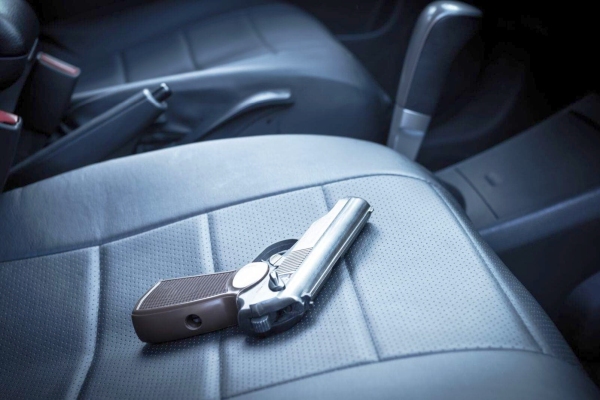
There are exceptions for people traveling to or from hunting or shooting activities. If you are going directly to a hunting spot, shooting range, or gun store, Oregon law is sometimes more flexible. However, the safest choice is to keep the handgun unloaded and locked away until you reach your destination.
Handgun Storage In Vehicles: Safety And Legal Tips
Safe storage is not just about the law—it’s about protecting yourself and others. Here are some practical tips:
- Use a lockable gun case or safe, especially if you don’t have a CHL.
- Store ammunition separately from the handgun.
- Never leave a loaded handgun in an unattended vehicle.
- If you must leave a gun in your car, lock it in the trunk or a lockbox.
Theft from cars is a common way criminals get guns. Responsible storage helps prevent accidents and theft.
What If You’re Stopped By Police?
If you are pulled over and have a handgun in your car:
- Stay calm and keep your hands visible.
- Tell the officer you have a handgun in the vehicle.
- Show your CHL if you have one.
- Follow police instructions carefully.
Failing to inform the officer, especially if the gun is loaded or accessible, can lead to serious consequences.
Penalties For Violating Oregon Handgun Transport Laws
Breaking Oregon’s handgun transport laws can lead to:
- Misdemeanor charges
- Fines up to $6,250
- Up to 364 days in jail
- Confiscation of your firearm
Repeat offenses or having a gun while committing another crime can lead to even harsher penalties.
Special Situations: Minors, Non-residents, And Schools
Minors
In most cases, people under 18 cannot possess a handgun, with some exceptions for hunting or target shooting under adult supervision.
Non-residents
Non-residents cannot legally carry a concealed handgun in their car in Oregon unless they have an Oregon CHL. Other states’ permits are not valid in Oregon.
School Zones
Federal and state laws make it illegal to have a loaded firearm in a school zone, even in your car, unless you have special permission.
Comparing Oregon To Neighboring States
It’s easy to get confused if you travel across state lines. Here’s a quick look at how Oregon compares to Washington and California:
| State | Loaded Handgun in Car (No CHL) | Recognizes Out-of-State Permits? |
|---|---|---|
| Oregon | No | No |
| Washington | No | Yes, some states |
| California | No | No |
This comparison shows why it’s critical to know each state’s laws before driving with a handgun.

Common Myths And Mistakes
Many gun owners in Oregon make mistakes because of myths or misunderstandings. Here are two non-obvious things to remember:
- Open carry in your car is not always legal. Even if the gun is visible, local city rules may make it illegal, especially if the gun is loaded.
- “Unloaded” does not just mean no bullet in the chamber. If there is a loaded magazine in the gun, Oregon considers it loaded.
Steps To Get An Oregon Concealed Handgun License
If you want the most freedom when transporting a handgun, getting a CHL is wise. Here’s what you need to do:
- Be at least 21 years old.
- Complete a handgun safety course.
- Apply at your local sheriff’s office.
- Pass a background check and pay a fee.
- Wait for approval.
A CHL can usually be renewed every four years.

Real-life Example
Imagine you are driving through Portland with a loaded handgun in your glove compartment, but you do not have a CHL. If you are stopped by police, you can be charged with a crime—even if you didn’t realize the law was being broken.
If you had a CHL, this same situation would be legal.
Oregon Laws And Federal Laws
Oregon’s handgun transport laws are stricter than some federal rules, especially near schools and government buildings. Always follow the strictest rule that applies to your situation.
For a deeper look at the legal text, you can find the full Oregon statutes at the Oregon Legislature website.
Frequently Asked Questions
Can I Carry A Loaded Handgun In My Car In Oregon Without A Permit?
No, you cannot legally carry a loaded, concealed handgun in your car without an Oregon CHL. The gun must be unloaded and not accessible if you don’t have a permit.
Is Open Carry In A Car Legal In Oregon?
Open carry may be legal in some parts of Oregon, but many cities have rules against it, especially for loaded guns. Always check local laws before you travel.
What Happens If I Am Caught With A Loaded Handgun In My Car Without A Chl?
You may face a misdemeanor charge, fines, jail time, and have your gun confiscated. Penalties can be severe, especially for repeat offenses.
Can Non-residents Carry A Handgun In Their Car In Oregon?
No, non-residents cannot carry a loaded, concealed handgun in their car in Oregon unless they have an Oregon-issued CHL. Permits from other states are not valid.
How Do Police Check If My Gun Is Loaded During A Traffic Stop?
If police have a reason to check, they may ask you to hand over the firearm safely. They will check for ammunition in the gun, magazine, and chamber. Always follow instructions carefully.
Carrying a handgun in your car in Oregon is possible, but only if you follow the rules. Understanding the difference between concealed and open carry, loaded and unloaded, and knowing local laws can keep you safe and legal. If you want the most protection and flexibility, consider getting a CHL.
Always check for updates, as gun laws can change quickly. Responsible gun ownership starts with knowing the law—don’t take chances with your rights or safety.

Leave a Reply