Are Rifled Slugs For Smooth Bore
Shotguns are popular for hunting, home defense, and shooting sports. One question often confuses beginners: Are rifled slugs for smooth bore barrels? The answer is not as simple as it may seem. Many shooters buy the wrong ammunition or use it incorrectly, which can lead to poor accuracy or even safety issues. This article explains how rifled slugs work, why they are made for smooth bore shotguns, and what every shotgun owner should know before using them.
What Are Rifled Slugs?
A rifled slug is a type of shotgun ammunition designed for shooting single, heavy projectiles. Unlike buckshot or birdshot, which spread into many small pellets, a rifled slug fires one large piece of metal. The main feature is the presence of spiral grooves (rifling) on the slug’s surface. These grooves look like the ones inside a rifle barrel, but their purpose is different.
Most rifled slugs are made of soft lead, which helps them deform and fit the shotgun bore when fired. They typically weigh between 1 ounce (28 grams) and 1 1/8 ounces (32 grams), but different brands offer heavier or lighter options. The design allows for good energy transfer and penetration at close to medium ranges.
Why Rifled Slugs Are Made For Smooth Bore Shotguns
Many people assume that “rifled” means the slug is for a rifled barrel. In reality, rifled slugs are made for smooth bore shotguns. Here’s why:
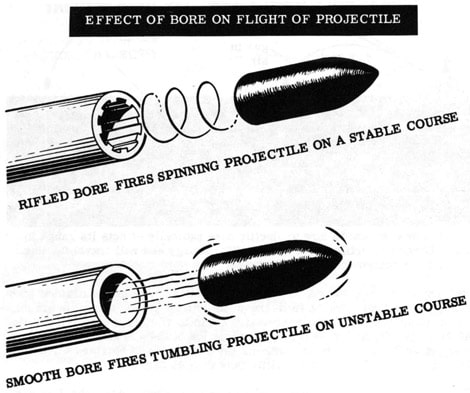
- The grooves on the slug help it travel through a smooth barrel by creating a small amount of spin. This improves stability and accuracy compared to a plain, round projectile.
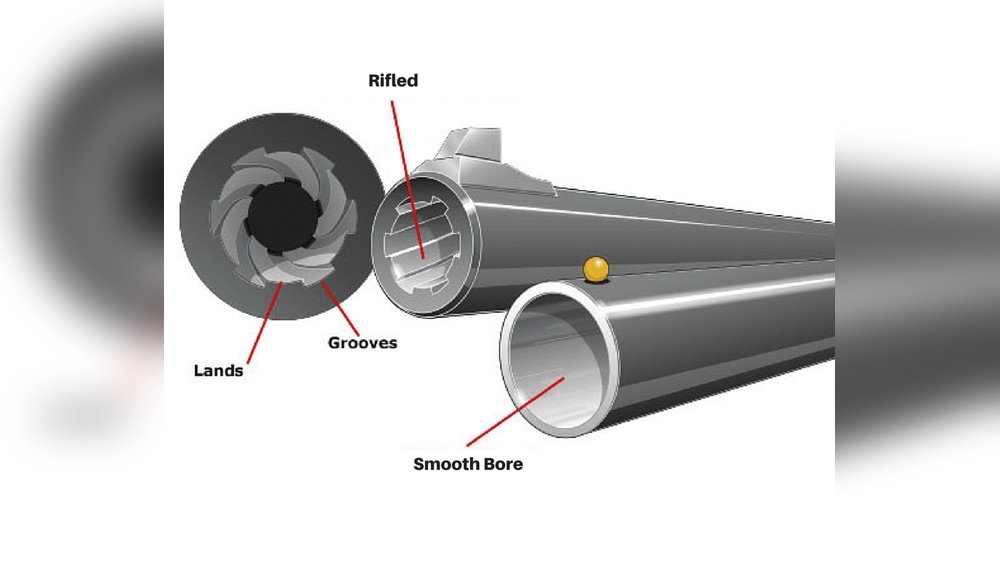
- Most shotguns have smooth bore barrels, which means the inside is completely smooth, with no spiral grooves.
- Using rifled slugs in a rifled barrel can cause problems. The slug may spin too much, causing the soft lead to break up or lose accuracy.
Most major ammo makers, like Remington, Winchester, and Federal, clearly state that rifled slugs are for smooth bore barrels. If you use a rifled slug with a fully rifled barrel, performance may be poor and lead fouling can build up quickly.
How Rifled Slugs Work In Smooth Bore Shotguns
When you fire a rifled slug from a smooth bore shotgun, the slug’s grooves bite into the air and create some spin. This spin is not as strong as with a true rifled barrel, but it helps the slug fly straighter than a round ball. The result is much better accuracy than you’d get with buckshot or birdshot at distances up to 75 yards (68 meters).
Many smooth bore shotguns come with improved cylinder or cylinder bore chokes. These are ideal for rifled slugs because they allow the slug to pass through without squeezing or deforming it too much. Tight chokes, like full chokes, should be avoided as they can damage the slug and the barrel.
Rifled Slugs Vs. Sabot Slugs
Choosing the right slug depends on your shotgun’s barrel. Let’s compare rifled slugs and sabot slugs:
| Feature | Rifled Slug | Sabot Slug |
|---|---|---|
| Best Barrel Type | Smooth Bore | Rifled Barrel |
| Design | Grooved Lead Slug | Slug inside plastic sabot |
| Typical Range | Up to 75 yards | Up to 150 yards or more |
| Accuracy | Moderate | High |
| Fouling | Low | Can be high with wrong barrel |
Sabot slugs are not for smooth bore barrels. They need the rifling in the barrel to spin and stabilize the slug. If you shoot a sabot slug from a smooth bore, accuracy will be poor.
Performance And Use Cases
Rifled slugs are best for:
- Hunting deer or medium-sized game in thick woods, where shots are usually under 75 yards.
- Home defense if you want more stopping power than buckshot.
- Practice with common pump or semi-auto shotguns that do not have rifled barrels.
In states where hunters cannot use rifles for deer, rifled slugs offer a legal and effective alternative. They hit hard, penetrate well, and are less likely to travel far past the target, increasing safety.
A typical 12-gauge rifled slug leaves the barrel at 1,300–1,600 feet per second, carrying 2,500–2,800 foot-pounds of energy. This makes it powerful enough for most North American game at short ranges.
Common Mistakes With Rifled Slugs
Many shooters make simple but costly errors:
- Using the wrong choke: Tight chokes can deform the slug or damage the barrel. Always use improved cylinder or cylinder chokes.
- Firing rifled slugs in a rifled barrel: This leads to excess lead fouling and poor accuracy.
- Choosing slugs for the wrong barrel: Rifled slugs are for smooth bores, sabot slugs for rifled barrels.
- Ignoring barrel length: Very short barrels reduce velocity and accuracy. Try to use barrels at least 18 inches long for best performance.
Practical Tips For Shooting Rifled Slugs
To get the best results:
- Check your barrel type before buying slugs. The marking is usually on the barrel itself.
- Pattern your shotgun with slugs before hunting. Each barrel and slug combination shoots differently.
- Clean the barrel after shooting. Lead residue can build up, causing accuracy loss.
- Try different brands of rifled slugs. Some shotguns prefer certain loads.
Here’s an example of typical group sizes at 50 yards for common rifled slug brands:
| Brand | Group Size (5 shots, 50 yards) | Notes |
|---|---|---|
| Remington Slugger | 3.5 inches | Consistent performer |
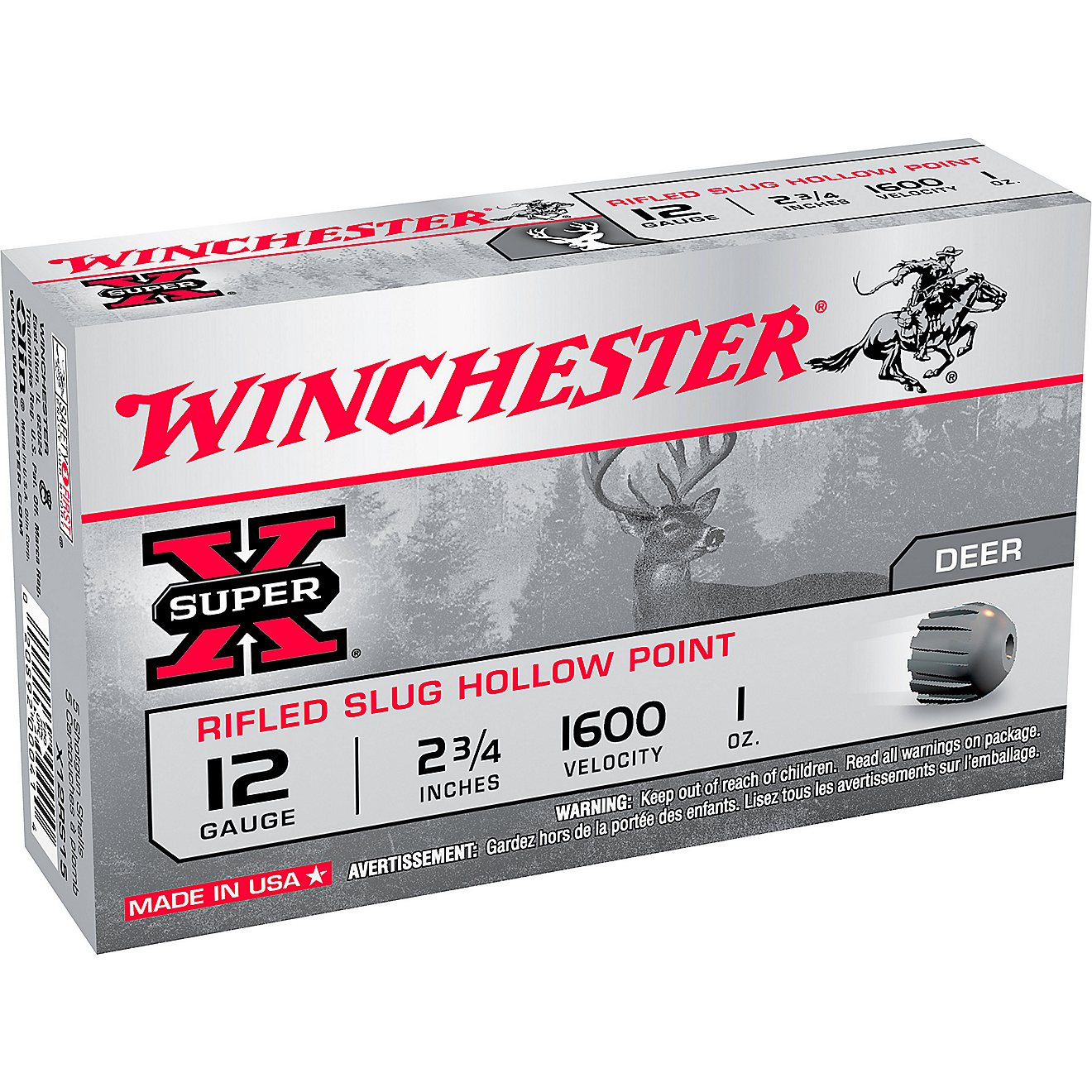
| Winchester Super-X | 4.0 inches | Wide availability |
| Federal TruBall | 2.5 inches | Excellent in many barrels |
Small changes in the load or barrel can make a big difference, so test before going afield.
Are Rifled Slugs Safe For All Shotguns?
Most modern shotguns can shoot rifled slugs safely, but there are exceptions:
- Older guns: Some vintage shotguns, especially those with thin barrels, may not be safe with high-power slugs.
- Choke tubes: Only use slugs with chokes marked as “slug safe.” Avoid full or extra full chokes.
- Barrel condition: Avoid using slugs in barrels with dents, bulges, or heavy pitting.
When in doubt, check your shotgun’s manual or ask a gunsmith.
Frequently Asked Questions
Can I Shoot Rifled Slugs Through A Full Choke?
It is not recommended. Full chokes can squeeze the slug too much, risking barrel damage or poor accuracy. Use a cylinder or improved cylinder choke.
Are Rifled Slugs Good For Home Defense?
Yes, rifled slugs are powerful and effective at close range. But be aware they can penetrate walls, so consider your home layout and neighbors.
What Is The Maximum Range For Rifled Slugs In A Smooth Bore?
Most rifled slugs are accurate up to 75 yards. Beyond this, accuracy drops and hitting a small target becomes difficult.
Can I Use Rifled Slugs In A Rifled Barrel?
You can, but it is not ideal. Excessive lead fouling and loss of accuracy are common. Use sabot slugs in rifled barrels instead.
Where Can I Learn More About Shotgun Ammunition Types?
A good resource is the Wikipedia page on shotgun slugs, which explains the different types and their uses.
Shotguns are versatile, but only when you use the right ammunition for your barrel. By understanding rifled slugs and smooth bore compatibility, you’ll get better accuracy, safety, and performance every time you pull the trigger.

Leave a Reply