When winter arrives, many people wonder if their favorite boots can handle snowy conditions. Hunter Boots are famous for their style and waterproof design, but are they truly good for snow? This question comes up every season, especially for those who want both fashion and function. Before stepping out on a snowy day with Hunter Boots, it’s important to know their strengths and limits. This guide examines how well Hunter Boots work in snow, what makes a boot suitable for winter, and what alternatives might be better for heavy snow.
What Makes A Boot Good For Snow?
The right snow boot keeps your feet warm, dry, and safe. Not every waterproof boot can handle snowy conditions. Here are the most important features for snow boots:
- Insulation: Winter boots usually have thick lining, like fleece or synthetic fiber, to trap heat.
- Waterproofing: Snow melts and soaks through shoes. Proper waterproofing keeps your feet dry.
- Grip and Traction: Snow and ice make surfaces slippery. Deep, patterned soles help prevent slips.
- Height: Taller boots help keep snow out.
- Breathability: Good snow boots let sweat escape so your feet don’t get damp and cold inside.
A boot that misses one or more of these features may not perform well in snow, even if it looks sturdy.
Hunter Boots: Overview
Hunter Boots are best known for their classic tall rubber rain boot. The company started in the UK in 1856. For decades, Hunter Boots have been a go-to for rainy weather, muddy festivals, and stylish outdoor looks. Their most popular models include:
- Original Tall Rain Boot
- Original Short Rain Boot
- Refined Collection
- Chelsea Boot
All these boots are made from natural rubber and are fully waterproof. Hunter also offers insulated and winter-specific models, but the classic version is what most people own.
How Hunter Boots Perform In Snow
Let’s break down how Hunter Boots perform in the areas that matter most for snow:
Waterproofing
Hunter Boots are 100% waterproof. The natural rubber outer shell keeps water out, so your feet stay dry from snow and slush. This is a strong point for Hunter Boots and is one reason people consider them for winter.
Insulation
This is where classic Hunter Boots fall short. The standard models do not have insulation. The inside is just a thin layer of rubber with a nylon lining. In cold weather, rubber does not keep warmth in or block cold out. Your feet can get cold quickly, especially if you’re standing on snow or ice for a long time.
Hunter does sell insulated winter boots and fleece boot socks as separate accessories. The socks add warmth, but they are not built-in, and they can slip or bunch up.
Grip And Traction
The tread on Hunter Boots is designed for wet surfaces, not ice or deep snow. The soles are flatter and less aggressive compared to real snow boots. This means you might slip more easily on icy sidewalks or packed snow.
Height
The tall models are great at keeping snow out. If you walk through deep snow, the high shaft will help, but if snow gets inside from the top, your feet get wet and cold.
Breathability
Rubber is not breathable. If you walk a lot or wear warm socks, your feet may sweat, making them feel damp and cold over time.
Pros And Cons Of Hunter Boots For Snow
Here’s a direct comparison of the advantages and disadvantages:
| Pros | Cons |
|---|---|
| Completely waterproof | No built-in insulation (except winter models) |
| Stylish and classic design | Poor grip on ice and packed snow |
| Easy to clean | Feet get cold quickly |
| High shaft keeps out snow (tall model) | Not breathable |
| Available in many colors | Heavy and stiff compared to winter boots |
Which Hunter Models Are Best For Snow?
Not all Hunter Boots are the same. Some are better for snow than others. Here are three types to consider:
1. Original Tall Rain Boot
This is the most popular Hunter Boot. It is waterproof and high, but not insulated. For short walks in light snow, it works if you wear thick socks. For cold days or long periods outside, your feet will get cold.
2. Hunter Insulated Snow Boot
Hunter makes winter boots with built-in insulation. These have a thick lining and a sole designed for better grip on snow. They handle cold and snow much better than the original rain boot.
3. Hunter Play Boot
This shorter boot is waterproof, but not warm or high enough for deep snow. It might work for slush or wet sidewalks, but not true winter conditions.
How Hunter Boots Compare To Real Snow Boots
For a clear view, here’s a comparison of Hunter Boots versus traditional snow boots:
| Feature | Hunter Rain Boot | Snow Boot |
|---|---|---|
| Waterproofing | Excellent | Excellent |
| Insulation | None (unless insulated model) | Thick insulation standard |
| Grip/Tread | Low to moderate | High, designed for ice/snow |
| Breathability | Poor | Moderate, often includes moisture-wicking lining |
| Comfort in cold | Poor unless thick socks worn | High |
| Style | Fashionable, classic | More practical, less stylish |
| Weight | Heavier than many snow boots | Lighter, more flexible |

Common Mistakes When Using Hunter Boots In Snow
People often make these errors with Hunter Boots in winter:
- Wearing thin socks: Without thick socks, your feet will get very cold in non-insulated Hunters.
- Expecting good grip: The soles are not built for ice. Be careful on slippery surfaces.
- Assuming all Hunters are the same: Only some models have insulation.
- Ignoring breathability: Sweaty feet can become cold feet. Give your boots time to dry after each use.
- Using them in deep snow for hours: After a while, cold seeps through the rubber.
How To Make Hunter Boots Warmer For Snow
If you already own Hunter Boots and need to use them in snow, you can make them warmer:
- Wear thick wool socks: Wool insulates even when wet.
- Try boot liners or fleece socks: Hunter sells their own, but any thick liner helps.
- Limit time outside: The longer you stay in the snow, the colder your feet get.
- Keep moving: Standing still makes your feet colder faster.
- Dry boots between uses: Damp boots lose insulation fast.
These tricks help, but they do not fully match the warmth of real snow boots.
When Are Hunter Boots Good For Snow?
Hunter Boots can work in snowy weather under certain conditions:
- Short trips outdoors: Walking from your car to a store, or a quick walk with the dog.
- Slushy, wet conditions: When it’s wet but not extremely cold, they keep your feet dry.
- Urban environments: In cities where sidewalks are cleared, you face more puddles than deep snow.
- With insulation: If you buy the insulated Hunter boots, they handle snow much better.
They are not a good choice for:
- Long hikes in snow
- Very cold temperatures (below freezing)
- Icy or steep areas
Alternatives To Hunter Boots For Snow
If you spend a lot of time in snow, consider these alternatives:
- Sorel Caribou Boot: Well insulated, with excellent grip.
- Columbia Bugaboot: Lightweight, waterproof, warm.
- The North Face Chilkat: Tough, comfortable, and built for snow.
- Baffin Winter Boots: Designed for extreme cold.
- Kamik NationPlus: Affordable and warm.
These boots are made for winter, with the features that matter most.
Real-world Experiences
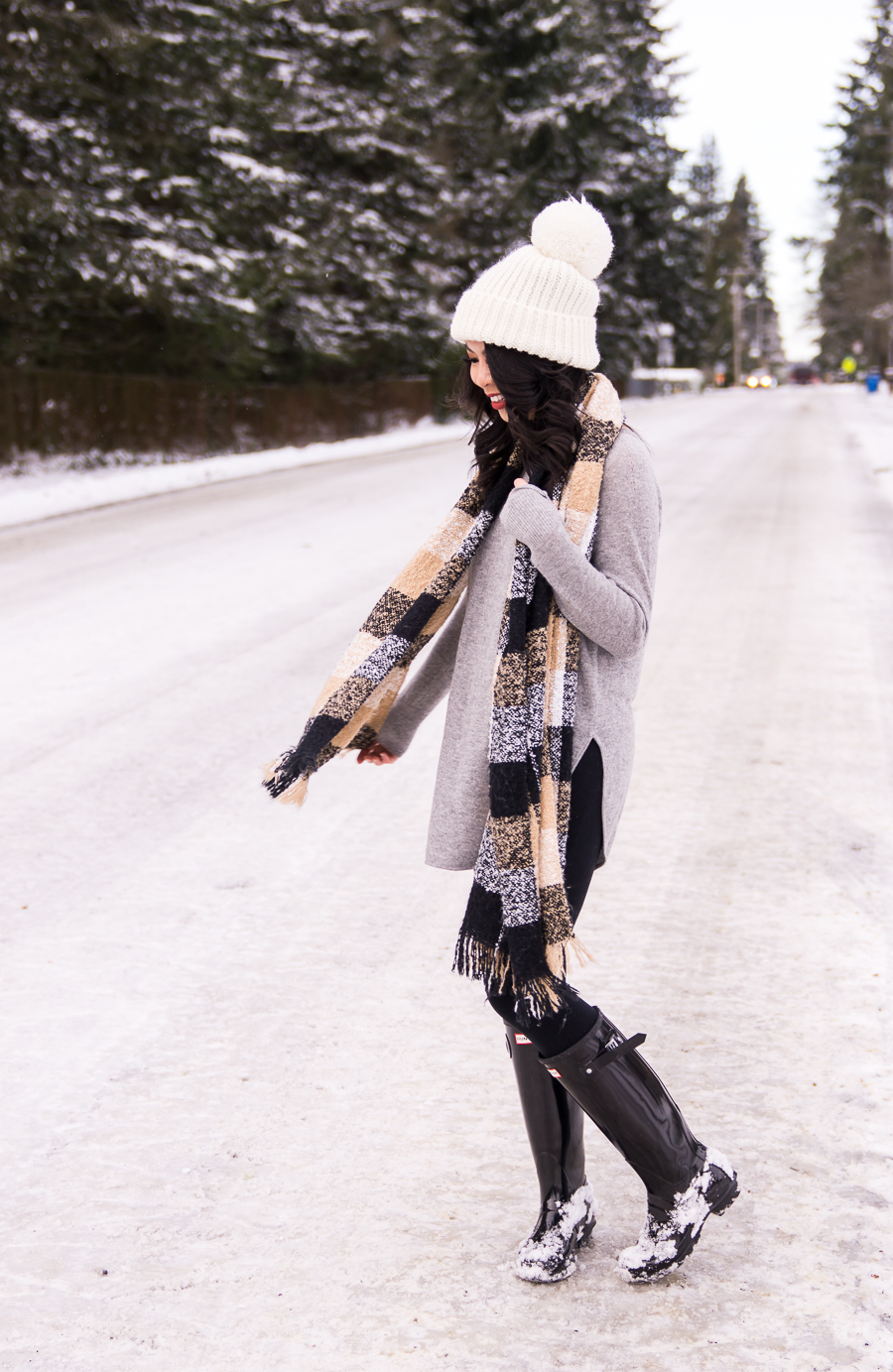
Many users share their stories online. Some find their Hunter Boots work fine for short city walks in light snow, especially when paired with warm socks. Others report that after 20-30 minutes in cold temperatures, their feet get numb. Slipping on ice is a common complaint.
One less obvious tip: some people use stick-on grip pads for better traction. These are not a perfect fix, but they can help on icy days.
Another insight: Hunter Boots tend to be heavier than many snow boots. This can make walking in deep snow or for long periods more tiring. If you have sensitive feet or knees, this weight matters.
Caring For Hunter Boots In Winter
If you use Hunter Boots in snow, protect them for longer life:
- Clean off salt and chemicals after each wear. Salt can dry and crack rubber.
- Store them upright at room temperature. Avoid heat sources, which damage rubber.
- Use a boot spray for rubber to keep it flexible.
Proper care helps the boots last through many winters, even if you use them only for short trips.

Frequently Asked Questions
Are Hunter Boots Warm Enough For Snowy Weather?
Classic Hunter Boots are not warm enough by themselves for cold, snowy weather. They lack insulation. For short trips, thick socks help. For longer periods, your feet will get cold unless you use the insulated models.
Do Hunter Boots Have Good Traction On Ice?
Hunter Boots have average grip on wet ground, but the soles are not designed for ice or packed snow. You may slip more easily compared to wearing a real snow boot.
Can I Wear Hunter Boots In Deep Snow?
You can wear tall Hunter Boots in deep snow because they are high and waterproof. However, if snow gets inside the top, your feet will get wet. Also, without insulation, your feet may become cold quickly.
How Do Hunter Boots Compare To Other Winter Boots?
Compared to brands like Sorel, Columbia, or The North Face, Hunter Boots offer less warmth and traction. They are more stylish, but not as functional for deep snow or ice. For city use or slushy days, they work well.
Do I Need Special Socks For Hunter Boots In Winter?
It is highly recommended to wear thick wool socks or boot liners with Hunter Boots in winter. This adds some warmth, but it does not replace true insulation.
In summary, Hunter Boots are a stylish, waterproof choice for wet and mild winter days, but not the best option for long exposure to cold or slippery, icy conditions. For more information on winter boots and cold weather gear, visit REI’s Winter Boot Guide. If you want to look good and stay dry in light snow, Hunter Boots work—but for real winter, a dedicated snow boot is a smarter choice.

Leave a Reply