
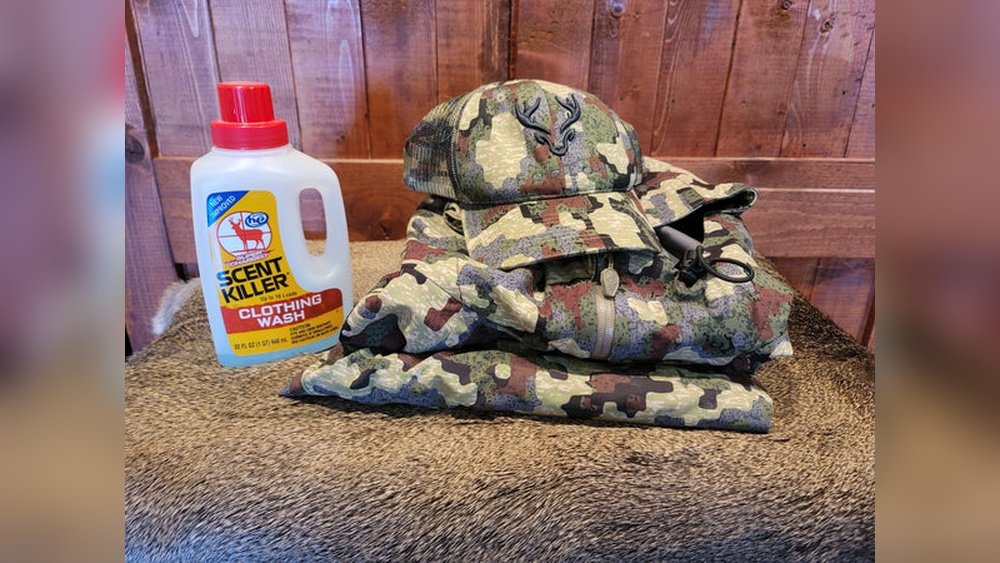
Washing hunting clothes is not the same as washing regular laundry. Hunters know that scent control is a big factor in success. Animals can smell even the smallest amount of perfume, detergent, or sweat. If your clothes are washed the wrong way, you could scare animals before you even see them. Proper washing also keeps your clothes durable and quiet, which is just as important in the field.
Many beginners think regular detergent is fine or that a quick wash is enough. But small mistakes can ruin your gear or make it less effective. This guide will show you the right way to wash hunting clothes, from sorting to drying, so your next hunt is not ruined by scent or noise.
Table of Contents
Why Scent Control Matters?
Animals like deer and elk have a much stronger sense of smell than humans. For example, a deer’s nose is up to 1,000 times more sensitive than ours. If your clothes smell like detergent, your favorite soap, or even your home, animals might avoid you.
Good washing removes these odors and helps your clothes blend in with the wild. Some hunters also use scent-free detergents and special sprays to control smell.
Preparation Before Washing
Getting ready is important. Start by reading the care tags on your hunting gear. Some fabrics need cold water, while others can handle warm. If you ignore these tags, you could shrink your clothes or ruin waterproofing.
Empty all pockets. Even a forgotten candy wrapper can create noise and add scent. Close all zippers and Velcro to prevent damage.
Shake off dirt, leaves, and mud before putting the clothes in the washer. This prevents your machine from getting dirty and makes washing more effective.
Choosing The Right Detergent
Never use regular laundry soap or fabric softener. Most brands add fragrances and chemicals that stay in the fabric. Use a scent-free detergent made for hunting gear. Some popular brands are Dead Down Wind, Wildlife Research Center, and Hunter’s Specialties.
If you need a homemade option, use a very small amount of baking soda. It does not add extra scent and helps remove odors. But do not use too much, as it can build up in the fabric.
Top hunting apparel brands for hot and cold weather
Washing Machine Vs. Hand Washing
A washing machine is fast and easy, but only if it’s clean. If you wash scented clothes often, your washer might hold perfume and detergent. Before you wash your hunting clothes, run a hot water cycle with no soap to clean out old smells.
Hand washing is better for small loads or delicate items. Use a large plastic tub and rinse well to remove all soap.
Here’s a short comparison of washing methods:
| Method | Pros | Cons |
|---|---|---|
| Washing Machine | Fast, convenient, large loads | Can transfer old scents, needs cleaning first |
| Hand Washing | Good for delicate gear, better control | Time-consuming, hard for big loads |
Washing Process
- Wash only hunting clothes together. Do not mix with regular laundry.
- Use cold or warm water. Hot water can damage fabric and special coatings.
- Add scent-free detergent to the washer. Use only the amount suggested.
- Run an extra rinse cycle. This removes all soap and leftover scent.
- Do not use fabric softener. It leaves a strong smell and can harm waterproof fabric.
If you have a lot of mud or blood stains, spot clean these areas before washing. Use cold water and a soft brush.
Drying Hunting Clothes
Never dry hunting clothes with dryer sheets. These sheets add a strong scent that is hard to remove. Air drying is best. Hang your clothes outside, away from grills, exhaust pipes, or flowers. If you use a dryer, clean the lint trap and run it empty for 10 minutes to remove old scents.
Here is a quick look at drying choices:
| Drying Method | Best For | Risks |
|---|---|---|
| Air Dry (outdoor) | Odor-free, gentle on fabric | Pollen, outdoor smells if near flowers or smoke |
| Dryer (no sheets) | Rainy days, quick drying | Risk of leftover scents in dryer |
Storage After Washing
Clean clothes can pick up new smells if stored badly. Put your hunting clothes in a plastic bag or airtight bin. Add a scent-free dryer sheet or a few pine needles to help them smell neutral. Store away from food, pets, and strong smells.
Some hunters keep their gear in a special tote in the garage or even outside. This keeps it away from kitchen and living room smells.
How to stay warm while hunting in cold weather
Common Mistakes To Avoid
Many beginners do not realize these simple errors:
- Washing with family laundry – even once can add scents that last for months.
- Using regular detergent – leaves a chemical trail animals can detect.
- Storing clothes in closets with scented items – absorbs unwanted smells.
- Drying with dryer sheets – adds strong, hard-to-remove fragrance.
- Not cleaning the washer or dryer before use – traps old scents.

Extra Tips For Better Results
- Wash your hunting clothes at least a few days before your trip. This gives time for any leftover smells to fade.
- Use gloves when handling clean clothes. This prevents oils and smells from your hands getting on the fabric.
- If possible, shower with scent-free soap before getting dressed for your hunt.
- Change into your hunting clothes at the hunting site, not at home or in the car. This avoids picking up car or house smells.
Which brand makes the warmest hunting clothes
Long-term Care
Over time, dirt, sweat, and weather can break down special coatings on your gear. If your jacket or pants are waterproof, check if they need re-coating. Use a spray made for outdoor gear, following the label directions.
Do not iron or bleach your hunting clothes. These can damage the material and coatings.

Frequently Asked Questions
How Often Should I Wash Hunting Clothes?
Wash after every hunt, especially if you sweat a lot or walk through mud. For short outings with no stains or sweat, a quick rinse may be enough.
Can I Use Baking Soda Instead Of Special Detergent?
Yes, but only a small amount. Baking soda removes smells without adding new ones. Too much can build up in the fabric.
Is It Okay To Dry Hunting Clothes In The Sun?
Yes, sunlight can help remove odors. But avoid drying near flowers or barbecue grills, as these smells can stick to your clothes.
Do I Need A Special Washing Machine?
No, but run a hot water cycle without soap before washing your hunting gear. This helps remove old scents from the machine.
What If My Hunting Clothes Lose Their Waterproofing?
Buy a waterproof spray made for outdoor gear. Spray as directed after washing and before your next hunt.
Last Word
Washing hunting clothes the right way is not hard, but it does need care and attention. Small changes make a big difference in scent and comfort. With these steps, you can keep your gear in top shape and improve your chances on your next hunt.

Leave a Reply