
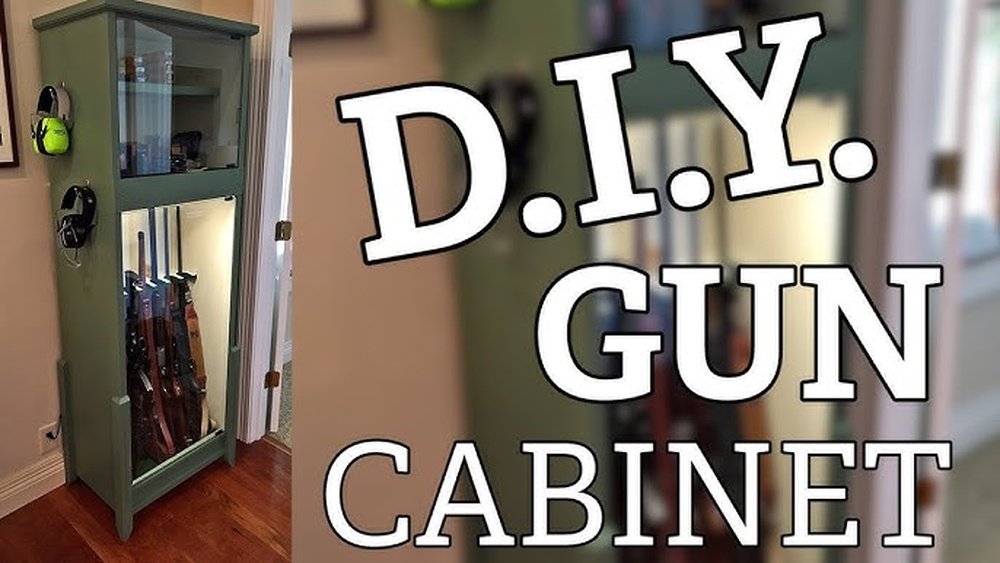
Making your own gun safe is a smart way to protect your firearms and keep your family safe. Many people keep guns at home, but not everyone has a secure place to store them. A homemade gun safe can prevent accidents, theft, and meet local laws.
You do not need advanced tools or special skills. With some planning and the right materials, you can build a safe that fits your needs and budget.
Table of Contents
Planning Your Gun Safe
Before building, think about what you need. Ask yourself:
- How many guns will you store?
- Do you want to store ammunition too?
- Where will you put the safe?
- Is fire or water protection important?
Write down your answers. This will help you choose materials and design. Remember, a gun safe should be out of sight but easy for you to reach in an emergency.
Two common mistakes are picking a spot that is too visible and choosing a design that is too small. Many people later regret not making a slightly bigger safe or not planning for extra shelves.
Choosing Materials
The right materials will make your gun safe strong and reliable. Here is a comparison of three common options:
| Material | Strength | Cost | Difficulty |
|---|---|---|---|
| Steel Sheet | High | High | Hard |
| Plywood (1-inch) | Medium | Medium | Easy |
| Metal Locker | Medium | Low | Easy |
Steel is best for security, but plywood and metal lockers are easier for most people to work with. If you choose wood, use thick, solid pieces. For steel, you may need help cutting or welding.
Building The Structure
After selecting your materials, you can start making the structure. Most people build a box-shaped safe. Cut your panels to size, making sure all sides fit tightly.
For a simple design:
- Cut six panels (top, bottom, two sides, back, and door).
- Attach the sides, back, top, and bottom with screws or welding.
- Leave the front open for the door.
If you use plywood, glue and screw all joints. For steel, weld the seams if possible. Make sure there are no gaps. The safe should feel solid when you push on it.
A common mistake is using thin panels, which are easy to break. Always check the thickness—1-inch plywood or 3mm steel is a good start.
Are Kaer safes reliable for firearms storage
Creating The Door
The door is the most important part. It needs to be strong and hard to open without a key or code.
For a basic door:
- Use the same material as the safe.
- Add extra support with metal bars or a double layer.
- Attach the door with heavy-duty hinges on the inside.
Here’s a comparison of lock options for your door:
| Lock Type | Security | Ease of Use | Cost |
|---|---|---|---|
| Padlock | Low | Easy | Low |
| Deadbolt | Medium | Medium | Medium |
| Electronic Keypad | High | Easy | High |
Deadbolts are a good balance for most people. Electronic keypads are more expensive but allow fast access. Avoid small padlocks—they are easy to break.
Securing The Safe In Your Home
Just having a gun safe is not enough. Thieves sometimes take the whole safe. Bolting your safe to the floor or wall makes it much harder to steal.
- Choose a hidden spot, like a closet corner or basement.
- Use concrete anchors or heavy-duty bolts.
- Bolt through the back and the bottom for best results.
After bolting, try moving the safe. If it shifts, add more bolts. A well-secured safe should not move at all.
Adding Fire And Water Protection
Many homemade gun safes have no fire or water protection. If you want extra safety:
- Line the inside with fireproof board or gypsum board.
- Place silica gel packs inside to reduce moisture.
- Seal the door with weather stripping.
Remember, homemade safes are rarely fully fireproof. For top protection, consider a commercial safe or store your safe in a low-risk area.

Organizing The Inside
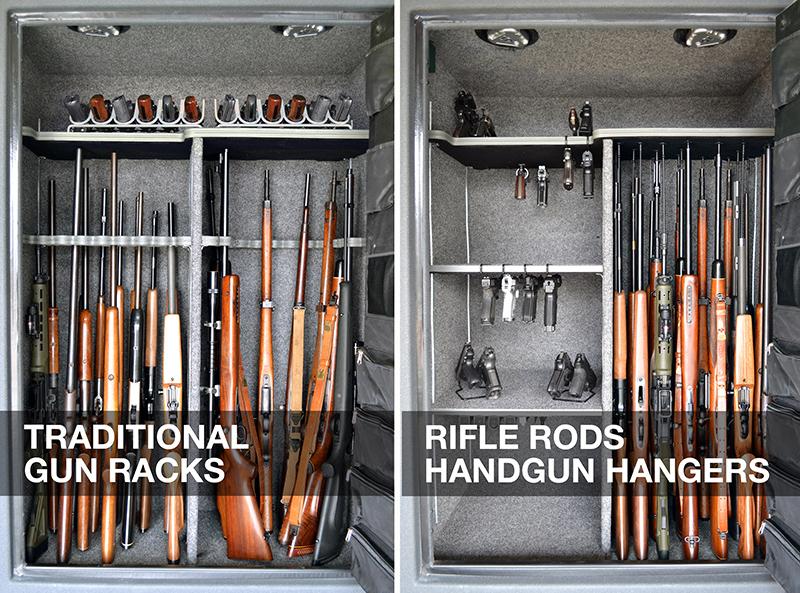
A gun safe is more useful if you organize it well. Use shelves, racks, or foam to keep guns separate and prevent scratches.
Here’s an example of what you might add:
- Wooden or metal racks for long guns
- Small shelves for ammunition or documents
- Foam padding for handguns
Do not overcrowd your safe. Leave space so you can grab a gun quickly if needed. Overfilling can cause damage or make access difficult.
Common Mistakes To Avoid
- Building a safe that is too small. Guns and accessories take up space.
- Using weak locks or hinges. These are the first targets for thieves.
- Forgetting to bolt the safe down.
- Skipping fire or moisture protection.
- Placing the safe in a damp or visible area.
Many beginners also forget about local gun laws. Always check if your area has rules about gun storage.
How do you change the PIN on a Winchester gun safe
Example: Simple Plywood Gun Safe
A basic design for beginners:
- Cut 1-inch plywood into 6 panels.
- Build a box using screws and wood glue.
- Add a solid plywood door with two heavy hinges.
- Install a deadbolt lock.
- Bolt the safe to the floor in a closet.
- Add foam or racks inside to hold guns safely.
This design is enough for two to four guns and some ammo. It costs much less than commercial safes but still offers strong protection.
Frequently Asked Questions
How Thick Should The Safe Walls Be?
For plywood, use at least 1 inch thick panels. For steel, 3mm or thicker is best. Thinner walls are easy to break.
Can I Use A Second-hand Locker As A Gun Safe?
Yes, a metal locker can work. Add better locks and bolt it down for more security. Reinforce the walls if they feel weak.
What Is The Best Lock For A Homemade Gun Safe?
A deadbolt is a good choice for most people. Electronic keypads are fastest but cost more.
Does A Homemade Safe Meet Legal Requirements?
Check your local laws. Some places require specific features. Homemade safes can work if they are secure and locked.
How Can I Make My Gun Safe Fireproof?
Line the inside with gypsum board and seal the door.
Finally
Building a gun safe at home gives you control over size, design, and cost. With careful planning and good materials, you can protect your guns and your loved ones. Take your time, follow each step, and check your work. Your homemade gun safe will serve you well for years.

Leave a Reply