
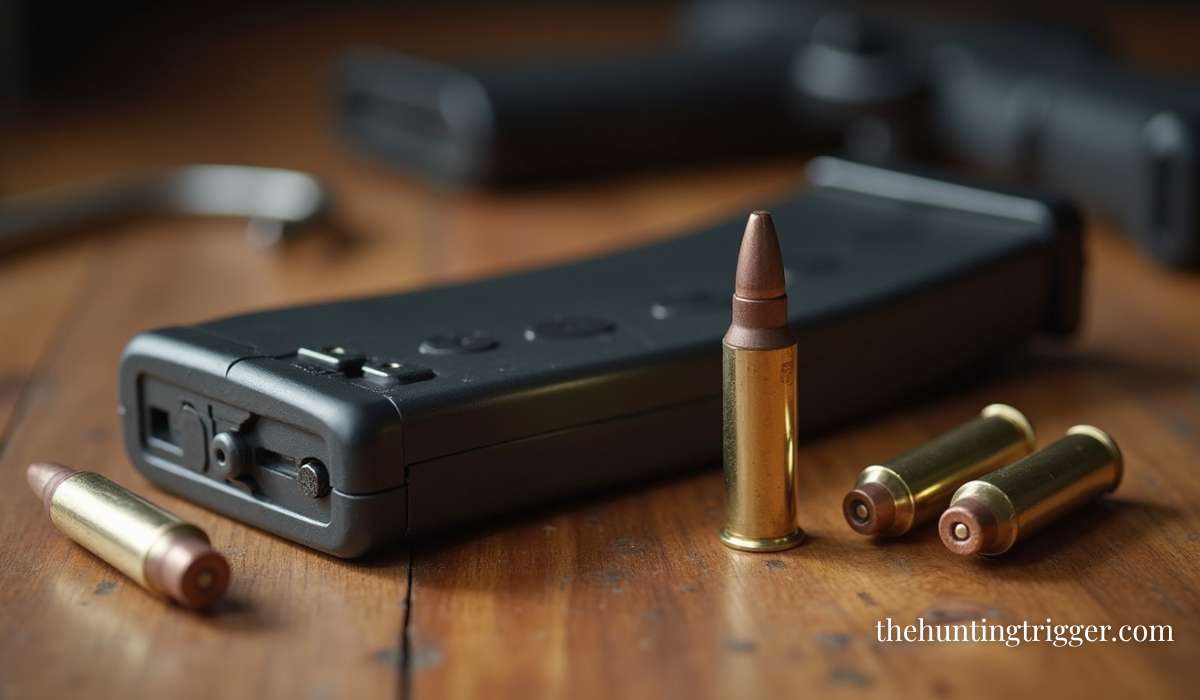
Loading a pistol magazine might seem simple, but doing it correctly can make a big difference in safety and performance. Whether you are new to firearms or just want to improve your technique, knowing the right way to load a magazine is important.
A well-loaded magazine feeds ammunition smoothly and reduces problems during shooting. In this article, you will find clear steps, useful comparisons, and practical advice for loading your pistol magazine safely and efficiently.
Table of Contents
What You Need Before Loading?
Before starting, make sure you have everything required:
- Pistol magazine – Clean and in good condition.
- Ammunition – Right caliber for your pistol.
- Safe workspace – Free from distractions and hazards.
- Hearing and eye protection – Always recommended during handling.
Never mix different calibers in the same magazine, as it can cause damage or danger.
Basic Parts Of A Pistol Magazine
Understanding the main parts helps you load properly. Here is a quick comparison of the key parts:
| Part | Function |
|---|---|
| Magazine body | Holds the rounds in place |
| Follower | Pushes rounds up for feeding |
| Spring | Moves follower upward |
| Base plate | Keeps the spring and follower inside |
| Lips | Hold cartridges until loading |
Checking these parts for damage or dirt can prevent loading problems.
How To Load A Pistol Magazine Safely?
Follow these simple steps for safe and correct loading:
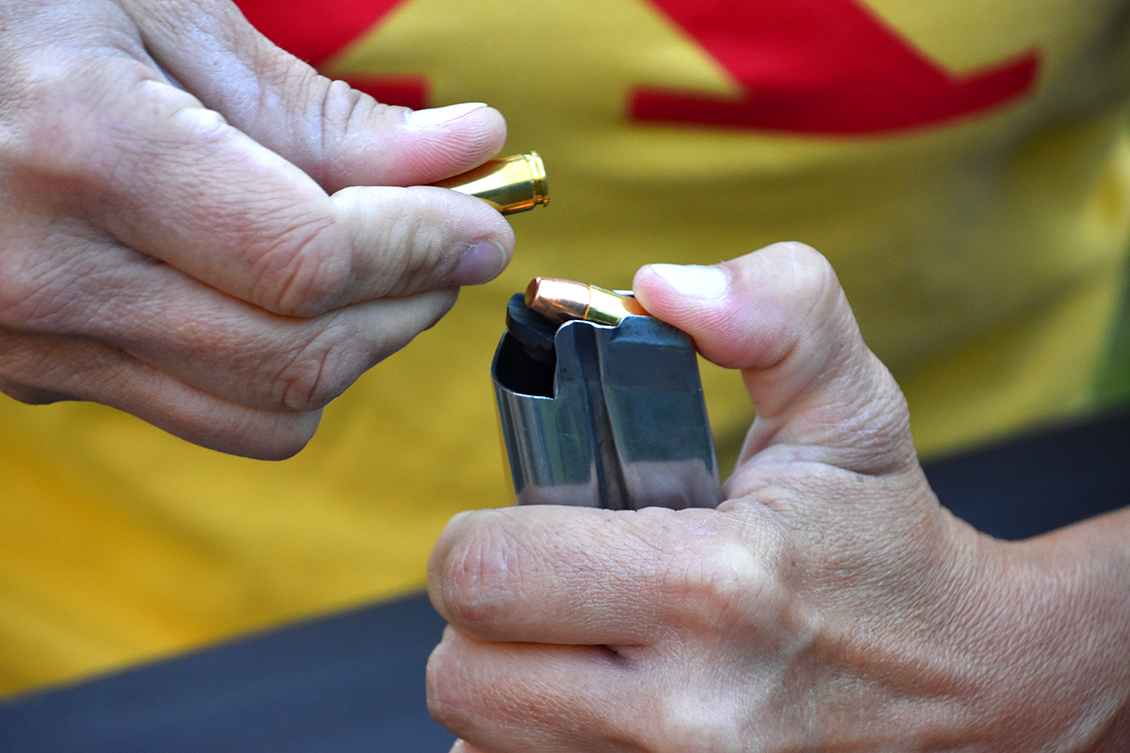
- Hold the magazine with your non-dominant hand, base plate down.
- Take a round with your dominant hand, holding it between your thumb and fingers.
- Place the rear of the round against the back of the magazine.
- Push down and back at the same time, sliding the round under the magazine lips.
- Repeat until the magazine is full, but do not force extra rounds.
If your magazine feels too tight before reaching its limit, stop and check for blockages.
Using A Magazine Loader
Some people find the last few rounds hard to load by hand. A magazine loader can help by pushing down the follower, so you do not have to use as much force. Here is a quick comparison of manual loading and using a loader:
| Method | Effort Level | Speed |
|---|---|---|
| By hand | Medium to high | Moderate |
| Loader | Low | Faster |
Magazine loaders are especially helpful for those with weak hands or loading many magazines.
Common Mistakes To Avoid
Many beginners make errors when loading pistol magazines. Here are some to watch out for:
- Wrong ammunition – Always check the caliber.
- Overloading – Forcing extra rounds can cause jams.
- Damaged magazine – Cracked lips or bent springs make loading unreliable.
- Dirty magazine – Dirt or debris inside can block the follower.
- Incorrect round direction – Ammunition must point forward, matching the barrel’s direction.
Always slow down if you feel resistance. Forcing rounds can damage your magazine or cause unsafe conditions.
How To Tell If Your Magazine Is Full?
Most magazines have small holes along the back or sides. These indicate how many rounds are inside. The numbers next to these holes match the number of rounds loaded. If your magazine does not have these, count each round as you load.
Never add more than the manufacturer’s recommended number.

Safety Tips For Loading Pistol Magazines
- Keep your finger off the trigger and away from the gun’s firing area.
- Only load magazines in safe places where firearms are allowed.
- Point the magazine and gun in a safe direction at all times.
- Wear eye protection to guard against accidental spring release.
- Store loaded magazines safely away from children and unauthorized users.
What is the safest way to take out a shotgun magazine plug
Why Proper Magazine Loading Matters?
A well-loaded magazine improves both safety and shooting performance. Problems such as misfeeds, jams, or double feeds often trace back to poor loading. Regular practice helps you develop muscle memory and confidence. Also, checking magazines often for damage or wear keeps them reliable.
Magazine Maintenance After Loading
To keep your magazines in top shape:
- Wipe the exterior with a clean cloth.
- Check for dents, cracks, or dirt.
- Store magazines in a dry place to prevent rust.
- If storing for a long time, avoid leaving magazines fully loaded, as it can weaken the spring over months.
Differences Between Double-stack And Single-stack Magazines
Pistol magazines come mainly in single-stack and double-stack types. Here is a comparison:
| Type | Capacity | Width | Common Use |
|---|---|---|---|
| Single-stack | Lower (6-8 rounds) | Narrow | Concealed carry |
| Double-stack | Higher (10-17 rounds) | Wider | Home defense, duty use |
Double-stack magazines are wider and hold more rounds, but can be harder to load by hand. Single-stack magazines are easier for beginners but hold fewer rounds.
How do you load a detachable magazine shotgun
Legal Limits And Magazine Capacity
Some places have laws about how many rounds you can load in a magazine. For example, some US states limit magazines to 10 rounds. Always check your local laws before loading or buying magazines.
Frequently Asked Questions
How Many Rounds Should I Load In My Pistol Magazine?
Most magazines are made to hold a set number, such as 10, 15, or 17 rounds. Do not load more than this number. In some cases, loading one less can make it easier to insert the magazine into the pistol.
Is It Bad To Leave Magazines Loaded For A Long Time?
Leaving magazines full for many months can weaken the spring. If you use your pistol often, this is not a big problem, but for long-term storage, keep magazines unloaded.
Can I Use Any Type Of Ammunition In My Magazine?
No. Always use the caliber and type recommended for your pistol. Using the wrong kind can damage your gun or cause unsafe firing.
What Do I Do If A Round Will Not Go Into The Magazine?
Stop and check for dirt, damage, or wrong ammunition. Forcing a round can bend the magazine lips or damage the spring.
Do I Need To Clean My Magazine Often?
Yes. Regular cleaning prevents dirt and dust from causing jams. Take apart and clean your magazine every few months, or after shooting at a range.
Final Word
Loading a pistol magazine is a basic skill that helps you stay safe and ready. By using the correct method, checking your gear, and practicing good habits, you can prevent problems and enjoy shooting with more confidence. Remember, attention to detail makes all the difference with firearms.


Leave a Reply