
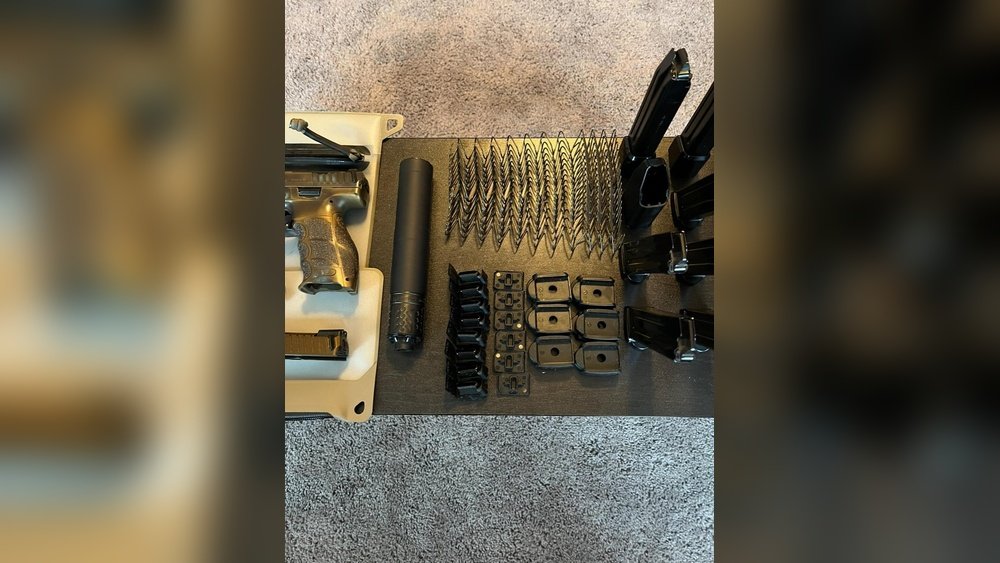
Owning a pistol is a serious responsibility, but many new gun owners ask themselves: how many pistol magazines should I have? This question is more important than it first seems. The number of magazines you own affects your safety, training, convenience, and even how often you clean your gun. There’s no one-size-fits-all answer, but the right number depends on your needs, lifestyle, and the way you use your handgun.
Some gun owners keep only the magazines that came with their pistol. Others have a whole drawer full of spares. The truth is, your ideal number sits somewhere in between, based on what you actually do with your firearm. This article helps you make the right choice by considering every factor: self-defense, range practice, competition, storage, and even laws.
Table of Contents
Why Magazine Count Matters
Many people think one or two magazines are enough, especially if they’re new to handguns. However, there are strong reasons to keep more than just the basics.
- Faster Reloading: Having several loaded magazines makes it easier to reload quickly, especially in stressful situations or during training sessions.
- Less Downtime: At the range, you waste less time reloading bullets and more time focusing on shooting skills.
- Wear and Tear: Magazines are not indestructible. Springs can weaken, feed lips can deform, and bodies can crack. Having spares means you’re never left without a working magazine if one fails.
- Different Uses: You may need different magazines for self-defense, training, or competition. Some are more reliable; others hold more rounds.
Many new owners don’t realize that magazines are often the first part of a pistol to fail. Keeping a few extras isn’t just a luxury; it’s a smart safety move.
How to load shells into a 12 gauge shotgun magazine
Basic Magazine Needs For Most Gun Owners
For most people, owning a pistol is about protecting themselves or their family. If you use your handgun for home defense, concealed carry, or just-in-case situations, your magazine needs are simple but important.
- Minimum Recommendation: 3 magazines per pistol.
- One magazine in the gun (primary)
- One spare, carried or kept nearby
- One in reserve, ready to rotate or replace a damaged magazine
This setup covers most emergencies. If one magazine fails, you have a backup. You can also rotate magazines to avoid wearing out the springs.
Why Three Magazines?
- Redundancy: If one fails, you’re not left unprotected.
- Rotation: Switching magazines helps springs last longer.
- Emergency: In rare situations, a quick magazine swap can be life-saving.
Some owners try to save money by owning only one or two magazines. However, the cost of an extra magazine is small compared to the risk of being caught unprepared. Experienced shooters almost always keep at least three for each pistol they own.
Which handgun accessories improve accuracy the most
Magazine Needs For Range And Training
If you spend time at the shooting range or take classes, your magazine needs increase. More magazines mean more shooting and less time reloading.
For Range Practice
- Recommended: 5 to 7 magazines per pistol
This number allows you to load all magazines at home or before your session. You can shoot five to seven full magazines before stopping to reload, which means your practice is smoother and more focused.
For Training Classes
- Recommended: 6 to 10 magazines per pistol
Shooting courses often require shooters to reload quickly and keep up with drills. Some instructors even require a minimum number of magazines, especially for defensive or tactical training. Not having enough can slow you down or even keep you from completing some exercises.
Practical Example
If your pistol holds 15 rounds and you have six magazines, you can shoot 90 rounds before stopping to reload. This makes your training much more efficient.
Competitive Shooting And Magazine Needs
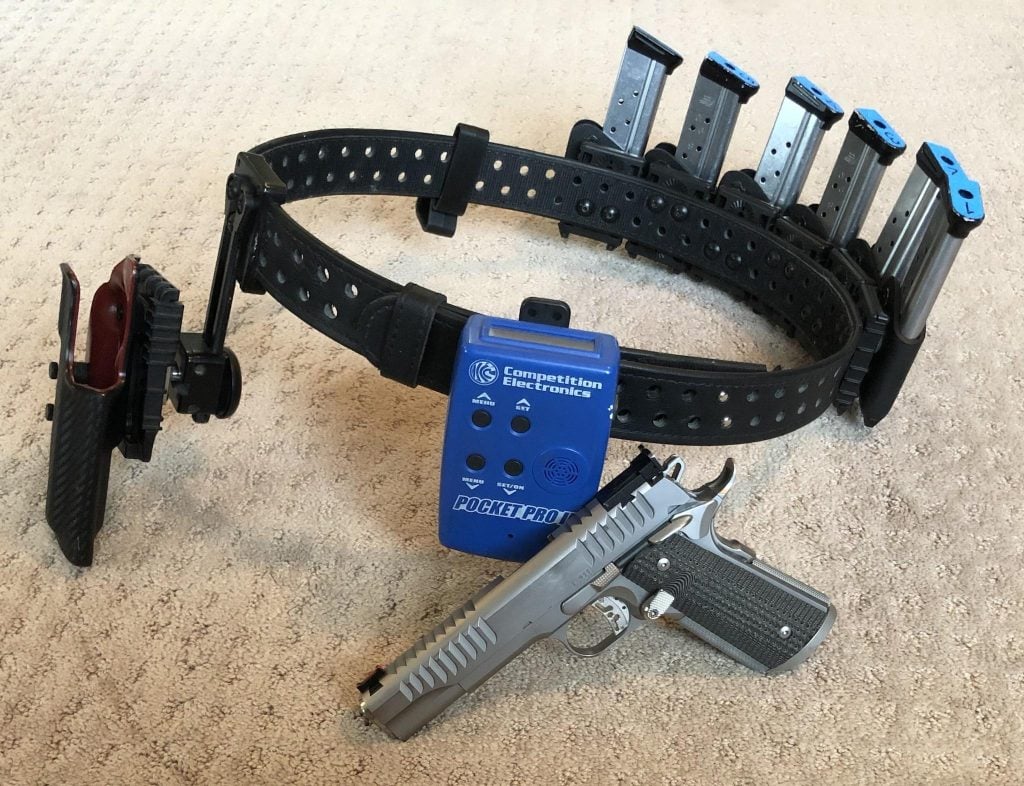
Shooting competitions are growing in popularity, and each sport has its own requirements. Whether you compete in USPSA, IDPA, or 3-Gun, magazines are a key part of your gear.
Common Competition Magazine Counts
- USPSA / IPSC: 5 to 8 magazines (some divisions limit capacity, others do not)
- IDPA: 3 to 4 magazines (matches often limit shooters to two on the belt and one in the gun)
- 3-Gun: 6 to 10 magazines (for both pistol and backup)
Some shooters bring even more, especially if a magazine malfunctions or is lost during a stage.
Why So Many?
- Stage Variety: Each stage may require different numbers of rounds. Having spare magazines keeps you prepared.
- Fast Malfunction Recovery: Dropping a magazine or having one fail is common under stress. A spare keeps you in the match.
- Rule Compliance: Some competitions check equipment and capacity closely. Having extra magazines ensures you always meet the rules.
Competitive shooters often color-code or number their magazines for quick identification. This helps prevent confusion and keeps gear organized.
Home Defense And Emergency Preparedness
For home defense, reliability is key. Many experts recommend keeping extra loaded magazines close to your pistol, but not inside it, to prevent spring fatigue.
- Practical Home Defense Setup:
- One magazine in the gun
- Two to three loaded spares in a secure location
This arrangement balances readiness with safety. You don’t want to overload the springs by leaving too many magazines loaded for months. Rotating magazines every few months keeps them reliable.
Some people keep more magazines loaded and stored in a gun safe for emergencies like natural disasters or civil unrest. While this is less common, it can be useful if you live in an area where help may not arrive quickly.
How can you build a DIY gun safe
Concealed Carry Considerations
Carrying a spare magazine is smart, even if your gun holds a lot of rounds. Magazines can fail, and sometimes clearing a malfunction is easier by swapping in a fresh magazine.
- Recommended for Concealed Carry:
- One magazine in the gun
- One spare, carried on your body
Some gun owners carry two spares, but this depends on your comfort and clothing. The most important thing is to carry at least one backup. It’s not just about extra bullets; it’s about having a reliable backup if something goes wrong.

Different Magazine Types And Their Impact
Not all magazines are the same. The quality, capacity, and material of your magazines can affect how many you should keep.
Factory Vs. Aftermarket Magazines
Factory magazines are made by your gun’s manufacturer. Aftermarket magazines are made by other companies and may be cheaper, but not always reliable.
- Tip: Test any new magazine at the range before trusting it for self-defense.
Standard Capacity Vs. Extended Magazines
Some magazines hold the normal number of rounds (like 15), while extended versions may hold 20 or more. Extended magazines are useful for range or competition but may be too large for concealed carry.
Steel Vs. Polymer Magazines
Steel magazines are heavier but often more durable. Polymer magazines are lighter and sometimes less expensive. Both types have their strengths, but it’s smart to have a mix if you shoot often.
Budget, Storage, And Legal Limits
Many people ask, “How many magazines can I afford? ” or “Is there a limit in my state? ”
Budget
Magazines range from $20 to $50 each. Buying one or two extra magazines each year is a smart way to build up your supply without a big upfront cost.
Storage
Storing magazines properly extends their life. Keep them clean, dry, and avoid stacking heavy objects on top. Some people use magazine pouches or ammo cans with moisture packs.
Legal Issues
Some states limit how many rounds a magazine can hold. For example, California and New York have strict capacity limits. Always check your local laws before buying or carrying extra magazines.
Magazine Longevity And Maintenance
Many new gun owners don’t realize that magazines are wear items. The springs, followers, and bodies can fail over time, especially if dropped or used often. Regular maintenance and rotation are important.
- Rotate Loaded Magazines: Swap out loaded magazines every few months. This reduces spring fatigue.
- Inspect Regularly: Check for cracks, bent feed lips, or weak springs.
- Clean After Range Use: Wipe off dirt and residue after each trip.
A common mistake is to keep all magazines loaded all the time. While modern springs are better than in the past, it’s still smart to rotate your magazines, especially if you rely on them for defense.
Table: Magazine Recommendations By Use
The right number of magazines depends on your activities. Here’s a quick guide:
| Use Case | Recommended Magazines |
|---|---|
| Home Defense | 3–4 |
| Concealed Carry | 2–3 |
| Range Practice | 5–7 |
| Competition | 5–10 |
| Emergency Preparedness | 6–10 |
Table: Common Magazine Issues
Magazine problems are a top cause of pistol malfunctions. Here are some issues to watch for:
| Issue | What Happens | How to Fix |
|---|---|---|
| Weak Spring | Feeding problems | Replace spring |
| Bent Feed Lips | Double feeds/jams | Replace magazine |
| Cracked Body | Magazine won’t seat or feed | Replace magazine |
| Worn Follower | Failure to lock slide | Replace follower |
Practical Tips For Managing Magazines
- Label Your Magazines: Number them with a permanent marker. This helps track which ones are reliable and which have problems.
- Rotate Regularly: Don’t leave the same magazines loaded all year. Swap them every few months.
- Clean After Use: Dirt and sand cause more magazine problems than most people expect.
- Store in a Dry Place: Moisture can cause rust, especially on steel magazines.
- Test All Magazines: Never trust a new magazine until you’ve shot at least 100 rounds through it without issues.
Some shooters keep a logbook for each magazine, noting when it was last cleaned, loaded, or used in training. This level of detail isn’t required, but it helps prevent surprises.
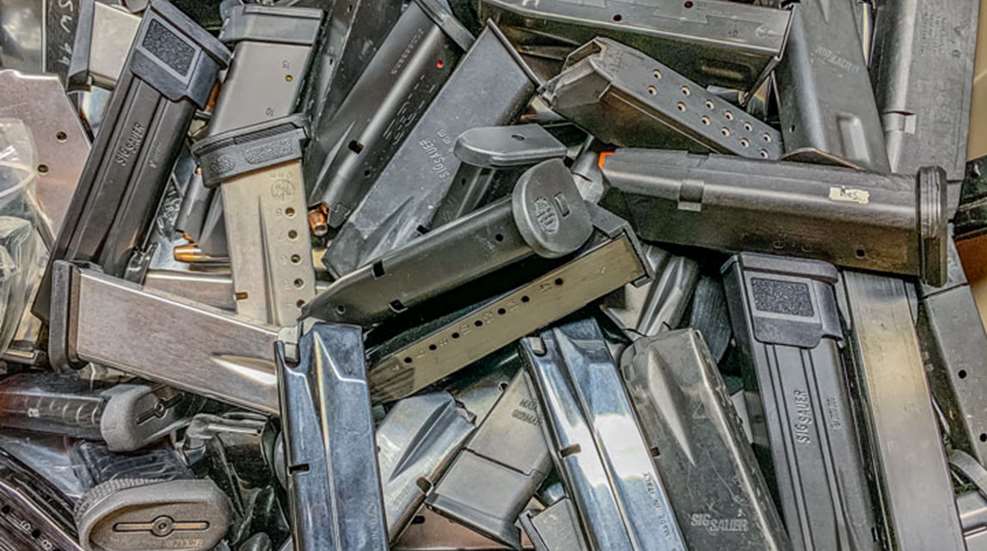
Common Mistakes With Pistol Magazines
- Relying on Only One Magazine: If it fails, you’re left defenseless.
- Never Testing Spares: Always test every magazine before trusting it for self-defense or competition.
- Ignoring State Laws: Some people buy magazines that are illegal in their area without realizing it.
- Buying Only Cheap Magazines: Saving money is good, but unreliable magazines can cause more trouble than they’re worth.
Table: Magazine Prices By Brand
Magazine costs can add up. Here’s a simple comparison:
| Brand | Price Range |
|---|---|
| Glock (OEM) | $25–$35 |
| Mec-Gar | $20–$30 |
| Magpul | $15–$20 |
| Smith & Wesson | $25–$40 |
| Sig Sauer | $35–$50 |
Prices can change, but this gives you a sense of what to expect when planning your budget.
Final Thoughts
So, how many pistol magazines should you have? The ideal number depends on your needs. For most people, three magazines per pistol is a smart minimum. If you shoot often, train, or compete, five to ten is better. Don’t forget about legal limits, quality, and storage. Think of magazines as essential gear, not accessories. They’re your pistol’s lifeline.
Most problems with pistols come from bad magazines, not the gun itself. Having enough reliable, tested, and maintained magazines is one of the best investments you can make for your safety and your shooting experience.
Frequently Asked Questions
How Many Magazines Should I Keep Loaded For Home Defense?
It’s smart to keep one magazine in your pistol and two to three loaded spares in a safe, accessible location. Rotate them every few months to keep springs fresh.
Is It Bad To Keep Magazines Loaded For A Long Time?
Modern magazine springs are strong, but it’s still a good idea to rotate loaded magazines every few months. This reduces the risk of spring fatigue over time.
Are Aftermarket Magazines Reliable?
Some aftermarket magazines are excellent, but others can cause problems. Always test new magazines at the range before trusting them for self-defense.
Do I Need More Magazines For Concealed Carry?
Yes. Carrying at least one spare magazine is wise, even if your pistol holds many rounds. Magazines can fail, and a backup ensures you stay prepared.
What Should I Do If A Magazine Malfunctions?
If a magazine causes feeding or ejection problems, stop using it for self-defense. Mark it, inspect for damage, and consider replacing it. Reliable magazines are critical for safety.

Leave a Reply