
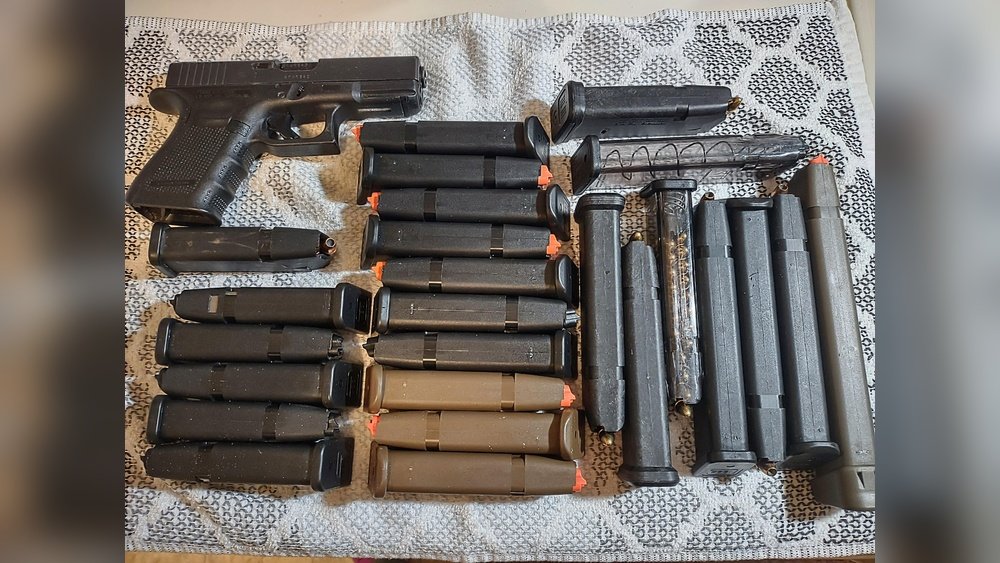
Many new gun owners wonder: How many magazines per gun do you really need? There’s no simple answer, but it’s an important question for anyone who owns a firearm. Whether you keep a gun for home defense, carry it for personal protection, use it for sport shooting, or just want to be prepared, your choice impacts your safety, convenience, and confidence.
Let’s look closer at what affects the right number of magazines, why it matters more than beginners realize, and what smart owners actually do. You’ll find insights, real-world examples, and practical advice to help you make informed decisions for your unique needs.
Table of Contents
The Basics: What Is A Magazine And Why Is It Important?
A magazine is a device that holds ammunition and feeds it into a firearm. Most modern guns (pistols, rifles, carbines) use detachable magazines. When you fire, the gun pulls rounds from the magazine—once it’s empty, you need to reload or swap it.
Magazines are not just about how many bullets you have. They also affect how fast you can reload, how reliable your gun stays, and how well you can handle emergencies. For these reasons, the number of magazines you own is a key part of being a responsible gun owner.
Top rated handgun accessories for beginners
One Magazine: Is It Enough?
Many guns come with just one magazine in the box. For a new owner, it might seem like enough—after all, you can load and fire, right? But this setup has serious limits:
- If your only magazine breaks, your gun is useless until you get a new one.
- Practicing at the range is slow, since you must reload the same magazine again and again.
- In a real emergency, you can’t reload quickly if you need more rounds.
Relying on just one magazine is usually not recommended, even for home defense or casual shooting. Most experienced gun owners agree that one magazine is rarely enough.
Two Magazines: The Minimum For Most Owners
Owning two magazines is a basic, practical step up. With two, you can:
- Keep one in the gun and one as a backup.
- Train more efficiently at the range (load both, shoot, reload, repeat).
- Replace a broken or lost magazine quickly.
This is often seen as the bare minimum for reliable gun use. However, there are still some weaknesses. If both magazines are old or worn, you still have no backup. And for high-stress situations or competitions, two may still fall short.
Do laws allow semi auto shotguns with magazines
Three Magazines: The Standard Recommendation
For most gun owners—especially those who carry a handgun or use it for personal defense—the industry standard is to own at least three magazines per gun. Here’s why:
- Carry Magazine: The one you keep loaded in your gun for daily use or defense.
- Training Magazine: Used for practice, so you don’t wear out your main mag.
- Backup Magazine: A spare for emergencies, malfunctions, or quick reloads.
With three, you can rotate magazines, reduce wear, and always have a working backup. Law enforcement and military users often follow this rule, and for good reason.
Special Scenarios: When You Might Need More
Sometimes, three magazines still aren’t enough. Your needs depend on how you use your gun:
Competitive Shooting
Competitive shooters often own five to ten magazines per gun. This allows fast reloading during matches, less wasted time loading between stages, and quick replacement if a mag fails. Some competitions even require you to carry extra mags for specific courses.
Training Classes
If you attend tactical or self-defense training, instructors may suggest four to six magazines. Drills often involve rapid fire and reloads, and fumbling to reload one or two magazines slows everyone down.
Duty Use (law Enforcement, Military)
Professionals often carry three to six magazines for handguns, and even more for rifles. This is not just for combat—it’s about reliability, readiness, and safety. If a magazine is lost, damaged, or dropped in an emergency, having extras is essential.
Home Defense
For home defense, three magazines is a safe bet. Keep one in the gun, one nearby, and one as a backup. This way, you’re covered if you need to reload or if one magazine malfunctions during a crisis.
Factors That Affect The Right Number
No single answer fits all. Here are the key factors to consider:
1. Purpose Of The Gun
- Carry/Defense: Three is the minimum; more if you want extra security.
- Sport/Competition: Four or more magazines help keep you in the action.
- Range Use: Two or three saves time and keeps you practicing, not reloading.
2. Magazine Capacity
A pistol with a 17-round magazine might need fewer spares than a compact with 6 rounds. But don’t assume bigger is always better—malfunctions, loss, or damage still happen.
3. Reliability And Quality
Cheap magazines often fail. Even quality mags can wear out. Owning spares lets you rotate and replace as needed, keeping your gun working when it matters most.
4. Local Laws
Some places limit magazine capacity (e. g. , 10 rounds in some U. S. states). Check local rules—owning illegal magazines can lead to serious trouble.
5. Availability And Cost
Some guns use rare or expensive magazines. It’s wise to buy extra magazines while you can. During shortages or after new laws, magazines for popular guns often sell out fast.
6. Personal Comfort
Some people feel safer with more magazines handy. Others prefer to keep things simple. There’s no shame in choosing what fits your routine, as long as you stay prepared.

Real-world Magazine Ownership: Examples
Consider these real-world examples:
- Concealed carriers: Many carry one in the gun, one spare on their belt or pocket, and one at home.
- Home defenders: Keep one loaded in the gun, one in a nightstand safe, and one in a go-bag.
- Sport shooters: Own five or more to keep up with fast-paced events.
- Collectors: Sometimes buy extra magazines while they’re easy to find, since older guns’ mags may become rare.
Common Mistakes Beginners Make
Many new gun owners overlook these details:
- Only using the factory magazine. You should always buy at least one or two more.
- Ignoring magazine maintenance. Mags wear out and get dirty. Rotate and clean them.
- Mixing brands or generations. Stick with magazines made for your gun (and, if possible, the same model/generation).
- Forgetting about the law. Some states have strict limits—know before you buy.
- Not testing all magazines. Always test new magazines at the range before trusting them for defense.
How Magazine Type Influences Quantity?
Pistol magazines are usually smaller and cheaper, so it’s easy to own more. Rifle magazines (like for AR-15s or AKs) are larger, but people often keep at least six to ten for range, training, and preparedness.
Shotguns use tubes or special magazines—here, spare loaded tubes or speed-loaders are the equivalent.
Here’s a handy comparison for popular firearms:
| Gun Type | Recommended Mags | Notes |
|---|---|---|
| Compact Pistol | 3-4 | Carry, backup, training, spare |
| Full-Size Pistol | 3-5 | Extra for range or defense |
| AR-15 Rifle | 6-10 | Home defense, range, training |
| Shotgun (tube-fed) | 1-2 speed-loaders/tubes | Reload options vary |
Magazine Maintenance And Rotation
Owning enough magazines is only half the story. You must also:
- Rotate magazines: Don’t leave the same one loaded for years. Springs can weaken.
- Inspect and clean: Dirt, sand, or bent lips can cause malfunctions.
- Mark your magazines: Use a paint marker or tape so you know which one is which. This helps track problems and keep your gear reliable.
A simple rotation plan:
- Mark each magazine with a number.
- Use magazine 1 for daily carry for a month, then swap to magazine 2, and so on.
- Unload and clean any unused magazines every few months.
Cost And Storage Considerations
Some people worry about cost. Most pistol magazines cost $20–$40 USD each, while rifle mags range from $10–$50 USD depending on brand and rarity. Buying a few at a time helps spread out the expense.
Storage is easy—keep extra magazines unloaded in a cool, dry place. Use pouches, cases, or boxes to prevent dust and damage. Never store loaded magazines in the sun or damp locations.
Magazine Shortages And Future Planning
During times of political change or crisis, magazines can become hard to find. In the U. S. , there have been periods when popular magazines sold out nationwide. If you buy a new gun, get enough magazines right away—don’t wait until you “need” them, because they may not be available.
This is especially true for older guns or models out of production. Their magazines can become very expensive or rare quickly.
Comparing Magazine Ownership Across Countries
Magazine laws and habits vary worldwide. Here’s a snapshot:
| Country | Common Mag Limitations | Typical Ownership |
|---|---|---|
| USA | Some states: 10 rounds | 3-10+ per gun |
| Canada | 5 for rifles, 10 for pistols | 2-5 per gun |
| UK | Strict; depends on license | 1-2 per gun |
| Australia | Strict; varies by state | 1-2 per gun |
Always check your local rules before buying extra magazines. Penalties for breaking these laws can be very serious.
Non-obvious Insights Most Beginners Miss
- Magazine reliability matters more than capacity. A single bad magazine can cause jams, even in high-quality guns. Always test and maintain every magazine you own.
- Magazine availability can change overnight. Political events or new laws can make finding spares difficult, especially for popular or rare guns. Buy extras early.
- Practice reloads with all your magazines. Some magazines may be stiffer, harder to insert, or more likely to cause issues. Discover problems before you need your gun in an emergency.

Summary: The Smart Magazine Strategy
- Three magazines per gun is the safe standard for most owners.
- Consider more for competition, training, or professional use.
- Always test, maintain, and rotate your magazines for best reliability.
- Check local laws before buying or carrying spares.
If in doubt, owning one or two extra magazines is an affordable way to boost your confidence, your skills, and your safety. A well-prepared gun owner is never caught off guard.
Frequently Asked Questions
How Many Magazines Should I Own For My First Handgun?
For most first-time handgun owners, three magazines is the best starting point. One for daily use, one for backup, and one for training. This setup gives you flexibility and reliability.
Do Magazines Wear Out Over Time?
Yes, magazine springs and feed lips can wear out with use, especially if left loaded for long periods or dropped often. Regularly rotate and inspect your magazines to catch problems early.
Is It Legal To Own Multiple Magazines?
In many countries, there’s no limit on how many magazines you can own. However, some places restrict magazine capacity (number of rounds per mag). Always check your local laws before buying extras.
Can I Mix Brands Or Models Of Magazines?
It’s best to use magazines designed for your specific gun. Mixing brands, generations, or models can cause feeding problems or reliability issues. Always test new magazines before trusting them for defense.
Should I Keep All My Magazines Loaded?
You can keep some magazines loaded for defense or daily carry, but rotate them regularly. Store others unloaded in a safe, dry place. This helps prolong magazine spring life and prevents malfunctions.

Leave a Reply