
Wearing a two-point rifle sling might look simple, but the right technique can make a huge difference in comfort, safety, and shooting performance. Whether you are a sport shooter, hunter, or new to rifles, understanding how to wear and adjust your sling will improve your experience. Many beginners think a sling is just for carrying, but it is much more: it helps you stabilize your aim, transition between positions, and keep your rifle ready without tiring your arms.
In this article, you’ll learn every step of using a 2 point rifle sling—from choosing the right sling, to fitting it to your body, to advanced carry styles. You’ll also discover practical tips, common mistakes, and insights that even experienced shooters sometimes overlook.
Table of Contents
What Is A 2 Point Rifle Sling?
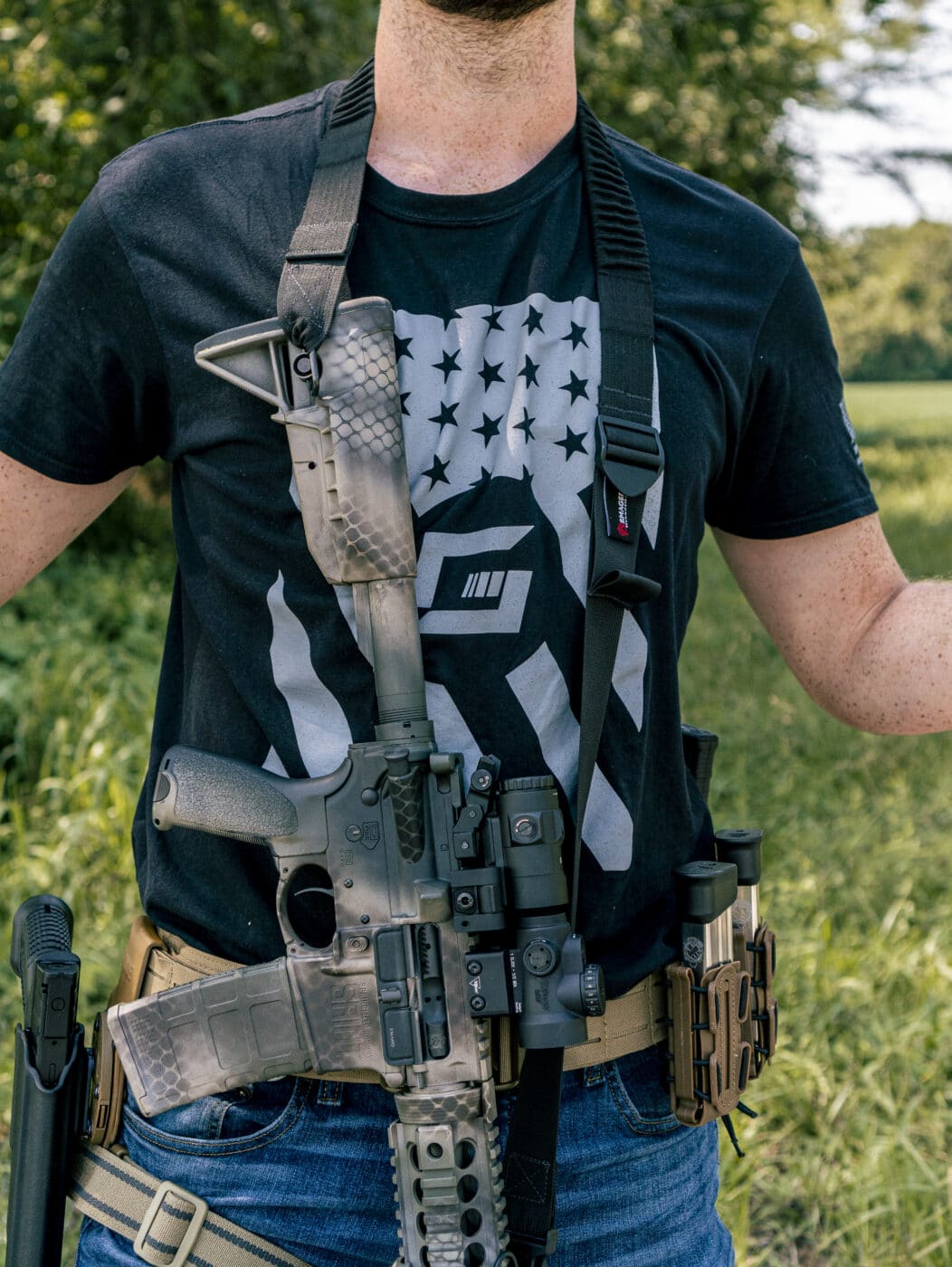
A 2 point rifle sling is a strap with two attachment points—one at the front and one at the rear of your rifle. This design allows you to carry the rifle over your shoulder or across your chest. Unlike single-point slings, which attach at one spot, two-point slings give you more control and stability.
Modern two-point slings are used in the military, law enforcement, and civilian shooting sports. They are popular because they balance the rifle well and allow for quick movement.
Choosing The Right 2 Point Sling
Picking a sling is not just about color or price. There are several factors to consider:
- Material: Slings are usually made from nylon, leather, or canvas. Nylon is durable and resists water. Leather looks classic but needs care. Canvas is strong but less common now.
- Width: Wider slings (1.25–2 inches) spread the weight better and are more comfortable for long periods.
- Adjustability: Look for quick-adjust sliders. These let you tighten or loosen the sling fast, which helps when switching positions.
- Attachment Type: Some rifles need QD (quick detach) swivels, while others use simple loops. Make sure the sling matches your rifle’s mounting points.
Here’s a quick comparison of common sling materials:
| Material | Durability | Comfort | Weather Resistance |
|---|---|---|---|
| Nylon | Excellent | Good | High |
| Leather | Very Good | Very Comfortable | Medium |
| Canvas | Good | Average | Low |
How To Attach A 2 Point Sling To Your Rifle?
Proper attachment is the first step to effective use. Here’s how to do it:
- Locate the mounting points on your rifle—one near the buttstock (rear) and one near the barrel (front).
- Thread the sling through the rear mounting point. Make sure it’s secure and not twisted.
- Attach the front end of the sling to the forward mount or swivel. Again, check for twists.
- Adjust the length so the sling has enough slack for movement but is not dragging on the ground.
Most modern rifles have built-in sling mounts, but if yours doesn’t, you can buy adapters.
Adjusting Sling Length For Fit
A common mistake is using a sling that’s too long or too short. The right length depends on your body size, gear, and how you want to carry the rifle. Here’s how to adjust it:
- Stand naturally with your rifle slung across your body.
- Pull the adjustment slider until the rifle sits flat against your chest or back, depending on carry style.
- When you reach for the grip, your hand should land on it easily without pulling the sling too tight.
A well-fitted sling should let you bring the rifle to your shoulder quickly, but also keep it secure when you’re moving.
Can you build a rifle sling using paracord
Carry Styles With A 2 Point Sling
There are several ways to carry your rifle with a two-point sling. Each style has its own advantages:
Over-the-shoulder Carry
This is the simplest method. Place the sling over one shoulder, with the rifle hanging down your side or back.
- Pros: Comfortable for long walks.
- Cons: Slow to bring rifle to action.
Cross-body (african Carry)
Swing the sling over your head and one shoulder so the rifle lies diagonally across your chest or back.
- Pros: Quick to bring rifle up, better weight distribution.
- Cons: Can get in the way if you carry a backpack.
Patrol-ready Carry
The rifle is slung across the front of your body, muzzle down, buttstock up. This is common for military and tactical use.
- Pros: Fastest for target engagement.
- Cons: Takes practice to master.
Here’s a comparison of carry styles:
| Carry Style | Speed to Ready | Comfort | Best Use |
|---|---|---|---|
| Over-the-Shoulder | Slow | High | Hiking, Hunting |
| Cross-Body | Medium | High | General, Competition |
| Patrol-Ready | Fast | Medium | Tactical, Security |
Transitioning From Carry To Shooting Position
One of the best things about a 2 point rifle sling is how easily you can move from carrying to shooting.
- Cross-Body to Ready: Slide your support hand under the rifle, sweep the buttstock to your shoulder, and grip the handguard.
- Over-the-Shoulder to Ready: Swing the rifle forward and rotate it up to your shoulder. This takes more movement, so it’s slower.
- Patrol-Ready to Firing: Simply push the rifle forward with your strong hand and bring the buttstock to your shoulder—very fast.
Practice these transitions safely with an unloaded rifle. The more you practice, the smoother and faster you’ll become.
Using The Sling For Shooting Stability
A 2 point sling is not just for carrying—it can also stabilize your shot. Here’s how to use it for more accurate shooting:
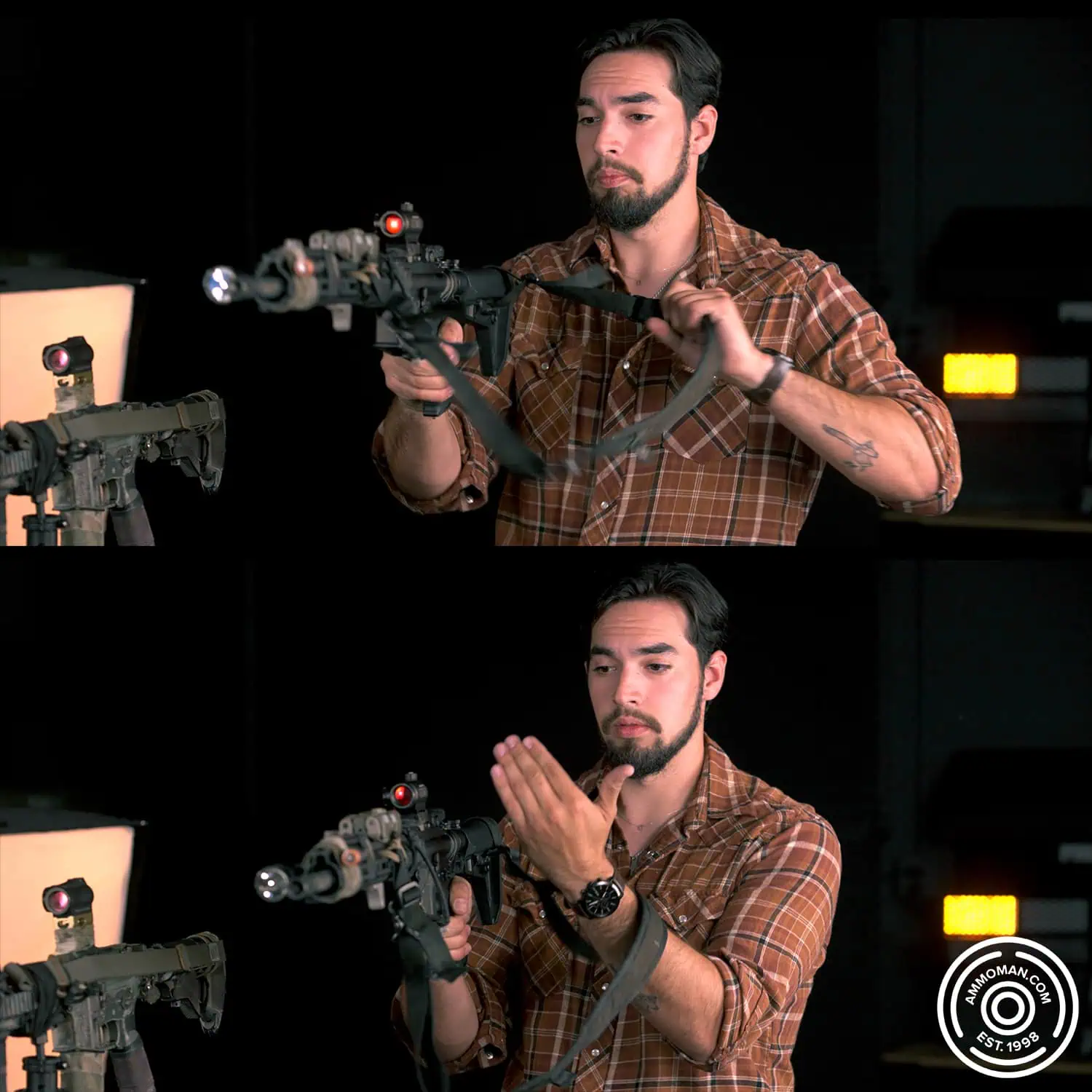
- Loop Method: Place your support arm through the sling, above the elbow, then grip the handguard. This creates tension for a steadier aim.
- Hasty Sling: Twist the sling once and wrap it around your support arm. This is quick and helps with standing shots.
- Prone Support: When lying down, use the sling to pull the rifle tight against your shoulder, reducing muzzle movement.
Many shooters overlook these techniques, but they make a noticeable difference, especially at longer ranges.
How to choose the best leather rifle sling
Common Mistakes And How To Avoid Them
Even experienced shooters make errors with slings. Here are the most common and how to fix them:
- Sling Too Loose: This makes the rifle bounce, which is noisy and can be dangerous.
- Sling Too Tight: Limits movement and makes it hard to shoulder the rifle.
- Wrong Attachment Points: Using the wrong mounts can twist the sling or block your hand.
- Ignoring Adjustability: Not using the quick-adjust feature means you can’t adapt to different situations.
- Forgetting About Gear: Backpacks, chest rigs, or heavy jackets can change how your sling fits. Always check your setup with all your gear.
A practical tip: always adjust your sling with the clothes and gear you plan to wear. Many people fit their sling at home, then find it uncomfortable in the field.

Practical Tips For Comfort And Safety
- Test with Movement: Walk, crouch, and even jog with your rifle slung to see how it feels.
- Use Padding: If you carry your rifle for hours, padded slings can prevent shoulder pain.
- Check for Wear: Nylon slings can fray, and leather can crack. Inspect your sling often.
- Practice Transitions: Smooth movement is safer and more efficient.
- Be Sling Aware: Keep your finger off the trigger when adjusting or carrying the rifle.
A non-obvious insight: some shooters add a small piece of tape or a marker to the adjustment slider, so they can quickly find their ideal length. Another tip is to keep the sling clean—dirt and grit can wear out the material and attachment points.
When To Use A 2 Point Sling (and When Not To)
A 2 point rifle sling is ideal for:
- Long hikes or patrols
- Hunting in open country
- Competition shooting
- Training and practice
It is not the best choice for:
- Close-quarters combat (a single-point sling is faster)
- Rifles without proper sling mounts
- When you need to switch shoulders often (like in some tactical courses)
Comparing 2 Point Slings To Other Types
Here’s a quick look at how 2 point slings compare to other popular types:
| Sling Type | Attachment Points | Best For | Drawbacks |
|---|---|---|---|
| 2 Point | 2 | General Use, Stability | Not ideal for CQB |
| Single Point | 1 | Quick Transitions | Less Stable, Swings |
| 3 Point | 3 | Retention, Older Military | Complex, Obsolete |
Most modern shooters prefer the two-point design for its balance of comfort, control, and versatility.
Frequently Asked Questions
How Tight Should My 2 Point Rifle Sling Be?
Your sling should be tight enough to keep the rifle secure, but loose enough to allow you to shoulder the rifle quickly. If you struggle to move, it’s too tight. If it bounces or swings, it’s too loose.
Can I Use A 2 Point Sling For Tactical Shooting?
Yes, many tactical shooters use 2 point slings, especially with quick-adjust models. However, in very close quarters, some prefer single-point slings for faster transitions.
What Is The Best Material For A 2 Point Sling?
Nylon is most popular because it’s strong, lightweight, and resists weather. Leather is comfortable but heavier and requires more care. Choose based on your needs and environment.
How Do I Clean And Maintain My Sling?
For nylon, use mild soap and water. For leather, use leather cleaner and conditioner. Always check for frayed edges or weak spots before use.
Do I Need Special Tools To Attach A 2 Point Sling?
Most modern rifles have built-in sling mounts, so you usually do not need tools. If your rifle lacks mounts, you may need screwdrivers or wrenches to add adapters or swivels.
Lastly
Fitting and using a 2 point rifle sling is a skill that pays off every time you shoot or carry your rifle. With the right setup, you’ll find your rifle easier to carry, quicker to aim, and more stable for accurate shots. Take time to adjust and practice—these small steps can make a big difference in your shooting experience.

Leave a Reply