
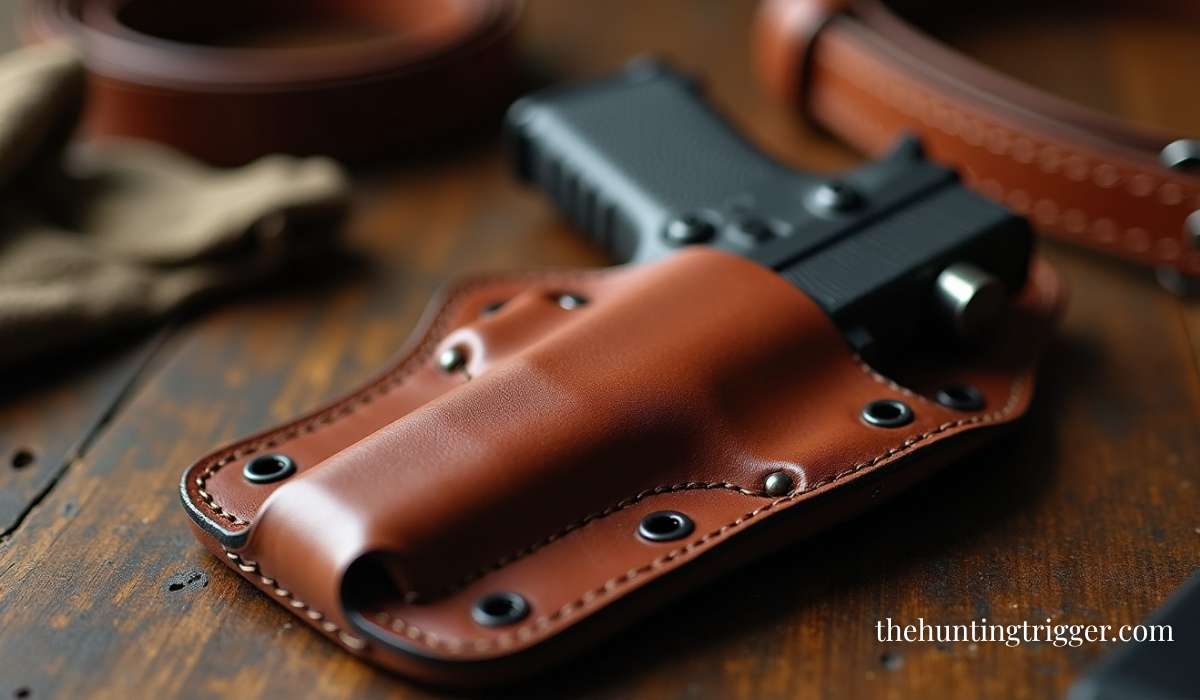
Carrying a firearm safely is a responsibility that cannot be ignored. One key part of this responsibility is choosing the right holster. Leather holsters are a classic choice, loved for their look and feel. But many people wonder: Are leather holsters safe for everyday use, or do they have hidden risks? This question is not just about tradition or style—it’s about safety, comfort, and reliability. Understanding how leather holsters work, their strengths, weaknesses, and what to watch out for can help you make a more confident choice.
Table of Contents
What Makes A Holster Safe?
Before looking at leather holsters specifically, it’s important to know what makes any holster safe. A safe holster should:
- Cover the trigger guard fully to prevent accidental discharge
- Hold the firearm securely so it does not fall out
- Allow a proper grip for drawing the gun safely
- Retain its shape for easy re-holstering
- Fit the firearm model exactly
A holster that does not meet these points can put you and others in danger, even if it is made from high-quality materials.
The Basics Of Leather Holsters
Leather has been used for holsters for over a century. It is popular because it is tough, flexible, and develops a unique look over time. Many gun owners like the traditional style and the way leather feels against the body. Leather holsters come in many forms—inside-the-waistband (IWB), outside-the-waistband (OWB), shoulder holsters, and more. But is tradition enough to guarantee safety?
Advantages Of Leather Holsters
There are several reasons why leather holsters are still popular today:
- Comfort: Leather molds to your body with use. This makes it more comfortable, especially for long periods.
- Quiet Draw: Drawing from a leather holster is quieter than plastic or Kydex. This can be important in certain self-defense situations.
- Classic Look: Many people simply prefer the traditional, stylish appearance.
- Gentle on Firearms: Leather is less likely to scratch or damage a gun’s finish compared to some synthetic materials.
These advantages explain why so many experienced shooters still trust leather. But are these benefits enough to ensure safety?
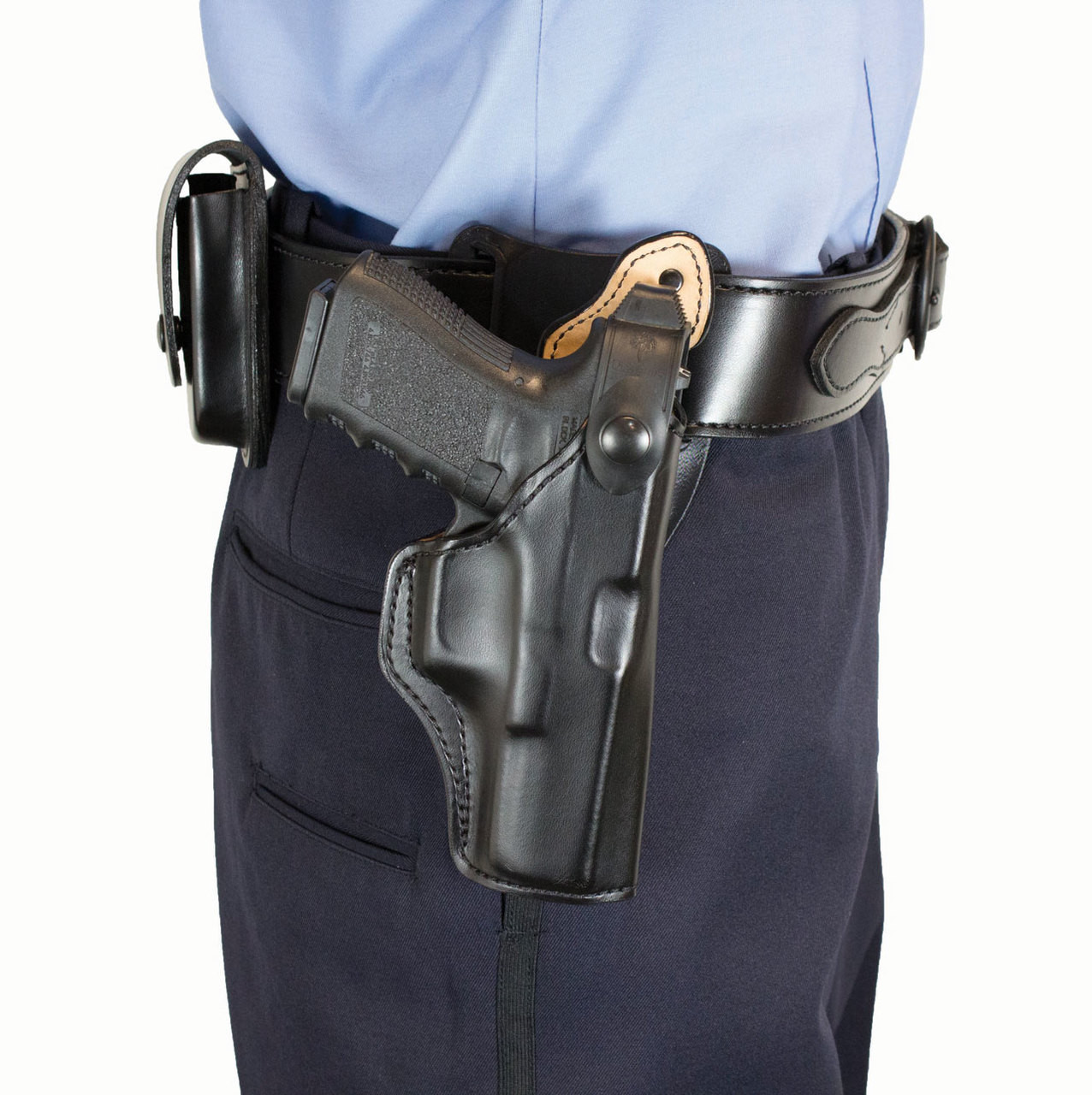
What type of holsters do police officers carry
Potential Safety Concerns With Leather Holsters
While leather holsters have clear strengths, they also have some specific risks that gun owners should understand.
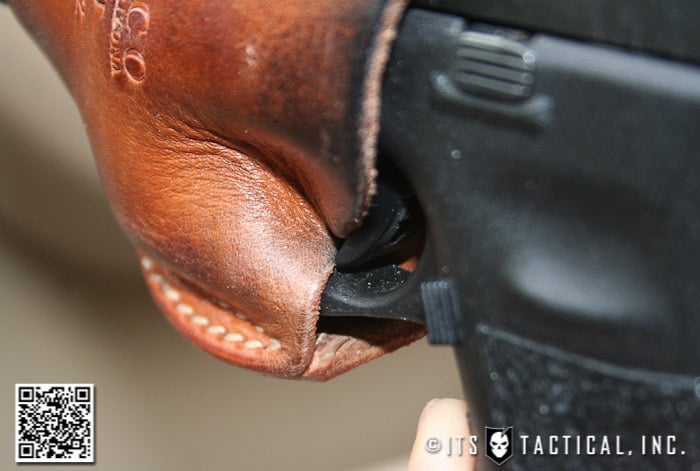
Leather Can Lose Its Shape
With time, leather holsters can soften and lose their shape, especially if they are not reinforced. This can lead to a few safety problems:
- The holster may collapse when the gun is drawn, making it hard to re-holster safely.
- If the holster does not keep its structure, it may not cover the trigger guard properly, increasing the risk of an accidental discharge.
Trigger Guard Coverage
A safe holster must always cover the trigger guard fully. Some older or poorly designed leather holsters leave part of the trigger exposed. This is dangerous, especially when carrying concealed.
Retention Issues
Leather holsters do not always have adjustable retention features. Over time, as the leather stretches, the fit around the gun can become loose. This means the gun might fall out during running or sudden movement.
Moisture And Sweat
Leather can absorb sweat and moisture, which can cause the holster to weaken, stretch, or even mold. This not only affects the holster’s lifespan but can also impact safety.
Safety Comparison: Leather Vs. Kydex Vs. Nylon
To give a clearer picture, here’s a comparison of common holster materials:
| Feature | Leather | Kydex | Nylon |
|---|---|---|---|
| Trigger Guard Coverage | Good (if well-made), may decline over time | Excellent, rigid and consistent | Varies, often less reliable |
| Retention | Firm at first, loosens with age | Adjustable, stays tight | Usually weak |
| Comfort | High, molds to body | Moderate, can be stiff | Soft, but less supportive |
| Durability | Long-lasting, needs care | Very durable | Short lifespan |
| Noise Level | Low | High (clicks/snaps) | Low |

Real-world Data: Are Accidents Linked To Leather Holsters?
Actual incidents can tell us more than just theory. There have been several cases where accidental discharges were linked to old or poorly maintained leather holsters. In one well-known story, an officer’s leather holster softened over time, allowing a foreign object to slip inside and pull the trigger as he re-holstered. This type of accident is rare, but it highlights the importance of holster condition.
According to a study published by the National Institute of Justice, most accidental discharges involving holsters are due to trigger exposure or holster collapse. Leather holsters, if not maintained, are more likely to have these problems than rigid materials like Kydex.
How To Make Leather Holsters Safe?
Choosing a leather holster does not mean you are taking extra risk—if you use it correctly. Here are steps to keep your leather holster safe:
1. Buy Quality And The Right Fit
A high-quality leather holster, made for your exact firearm model, will fit snugly and cover the trigger guard fully. Avoid “one size fits all” designs.
2. Regularly Inspect The Holster
Check your holster often for soft spots, cracks, or stretching. If the holster starts to lose its shape, replace it immediately. Never try to “repair” a collapsing holster.
3. Keep It Clean And Dry
Moisture is the enemy of leather. Wipe your holster with a dry cloth after use, and let it air out if it gets wet. Use leather conditioner occasionally, but not too much—excess oil can soften leather too much.
4. Practice Safe Re-holstering
Always look as you re-holster, and do it slowly. Never force the gun in if the holster is collapsed or blocked. Some experts recommend removing the holster from your belt before re-holstering, especially for inside-the-waistband styles.
5. Avoid Cheap Or Old Holsters
A bargain holster can be tempting, but safety is not the place to cut corners. Also, even the best leather holster will eventually wear out—most experts suggest replacing it every few years if used daily.
Leather Holsters: Common Myths Vs. Facts
There are many beliefs about leather holsters. Let’s clear up a few:
- Myth: Leather holsters are always less safe than plastic.
- Fact: A well-made, well-maintained leather holster can be just as safe as Kydex. Problems happen when leather is old, soft, or badly designed.
- Myth: Leather holsters ruin guns with sweat.
- Fact: While leather can absorb sweat, regular cleaning of both the gun and holster prevents damage.
- Myth: All leather holsters collapse.
- Fact: Many modern leather holsters use reinforced openings that keep their shape, even after years of use.
- Myth: You can use one leather holster for any gun.
- Fact: Holsters must fit the specific firearm model for safety.
Signs Your Leather Holster Is Unsafe
Knowing when to retire your leather holster is critical. Look for these warning signs:
- The mouth of the holster (the opening) is soft or collapsed
- Stitching is frayed or coming apart
- The gun does not fit tightly, or can fall out with shaking
- The trigger guard is not fully covered
- There are deep cracks or excessive stretching
If you see any of these, replace your holster as soon as possible.
Leather Holster Maintenance: Dos And Don’ts
Good care extends the life and safety of your leather holster. Here is a simple guide:
| Dos | Don’ts |
|---|---|
| Wipe with dry cloth after use | Soak in water |
| Apply leather conditioner sparingly | Over-oil or use harsh chemicals |
| Store in a cool, dry place | Leave in direct sunlight or hot cars |
| Check for fit and damage regularly | Ignore soft spots or cracks |
When Are Leather Holsters The Best Choice?
Despite the concerns, there are many situations where leather holsters are the best option:
- Concealed carry: Leather molds to your body and can be more comfortable under clothing.
- Long-term wear: For people carrying all day, comfort can make a big difference.
- Classic firearms: Older or collector’s guns often look better and stay protected in leather.
- Low-noise environments: Leather allows for quiet draws, which can be critical in some self-defense cases.
Two Insights Many Beginners Miss
Many new gun owners assume all holsters are equally safe if they come from a reputable store. But the reality is:
- Holster fit is more important than material. Even a cheap Kydex holster is unsafe if it does not fit your gun.
- Holster maintenance matters as much as buying the right one. A good leather holster can become dangerous quickly if not cared for. Always treat your holster as part of your safety gear, not just an accessory.
Is A Leather Holster Right For You?
Choosing a holster is a personal decision. For some, the classic feel and comfort of leather is perfect. For others, the rigidity and low-maintenance of Kydex are better. The most important thing is not the material, but whether the holster is well-made, well-fitted, and well-maintained. If you follow these rules, a leather holster can be as safe as any option on the market.
For more detailed safety recommendations, you may find the guidelines from the National Rifle Association helpful.
Frequently Asked Questions
Is It Safe To Use An Old Leather Holster?
No, old leather holsters can lose their shape and may not protect your gun’s trigger guard properly. Replace any leather holster that is soft, cracked, or fails to hold your gun securely.
Can A Leather Holster Cause Accidental Discharge?
Yes, but only if it is worn out, does not cover the trigger guard fully, or collapses during re-holstering. Regular inspection and good quality prevent this risk.
How Often Should I Replace My Leather Holster?
If you use it daily, check for signs of wear every few months. Most experts recommend replacing a leather holster every 3-5 years or sooner if you spot damage.
Do Leather Holsters Damage Your Gun?
Leather can absorb sweat, which may cause rust or finish damage. Regular cleaning of both your gun and holster prevents this issue.
Are Leather Holsters Good For Concealed Carry?
Yes, many people prefer leather for concealed carry because it is comfortable and molds to the body. Make sure the holster fits your gun and holds its shape well.
Last Word
A safe holster is a must for any responsible gun owner. Leather holsters have stood the test of time and can be a safe choice when you buy the right one, care for it, and know when to replace it.
Always put safety first—your life may depend on it.

Leave a Reply