
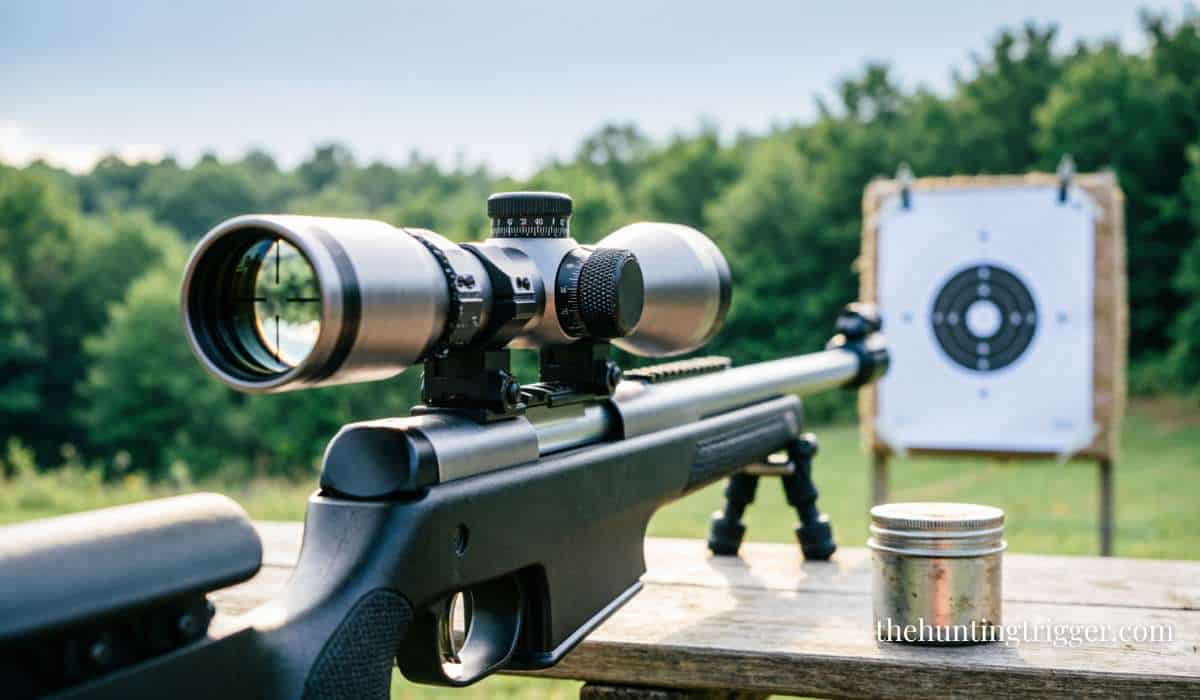
Sighting in your air rifle is one of the most important steps for accurate shooting. Whether you’re a beginner or have some experience, learning to sight in your rifle gives you confidence and better results. Many shooters skip this step or do it too quickly, but taking the time to do it properly can make a big difference.
In this guide, you’ll find practical steps, common mistakes to avoid, and tips that even seasoned shooters sometimes overlook.
Table of Contents
Why Sighting In Matters?
An air rifle is only as accurate as its sighting. If your scope or sights are not adjusted, you could miss your target even if your aim is good. Sighting in, also called “zeroing,” matches your point of aim with your point of impact at a certain distance. This process is essential for target shooting, hunting, or just hitting cans in your backyard.
What You Need
Before you begin, gather these items:
- Air rifle (break barrel, PCP, or CO2)
- Pellets (use the same type for all sighting shots)
- Shooting rest or sandbags
- Paper target with a clear bullseye
- Screwdriver or tool for adjusting sights or scope
- Safety glasses
Some shooters use a bore sighter or a laser, but these are optional for air rifles.
Choosing The Right Distance
The standard distance for sighting in an air rifle is usually 10 meters (about 11 yards). However, if you plan to shoot further, you can sight in at 20 meters or even 25 meters. Beginners should start at 10 meters to make adjustments easier.
Here’s a quick comparison:
| Distance | Best For | Notes |
|---|---|---|
| 10 meters | General target shooting, beginners | Easy to see pellet holes |
| 20 meters | Hunting, advanced practice | More challenging, realistic for small game |
| 25 meters | Experienced shooters | Best for high-power rifles |
Setting Up Your Shooting Area
Find a safe, stable place to shoot. Make sure there is a solid backstop behind your target to catch pellets. Set your paper target at the chosen distance. Use a shooting rest or sandbags to keep your rifle steady. Stability is key—shooting from a shaky position will give poor results.

The Sighting-in Process
Follow these steps to sight in your air rifle correctly:
1. Fire A Group Of Shots
Load your rifle with the same type of pellet you plan to use regularly. Fire five shots at the center of the target. Don’t adjust anything yet. This group shows where your shots are going compared to where you aimed.
2. Check The Shot Group
Walk to the target and look for the cluster of holes. Mark the center of this group. If your shots are spread out, focus on improving your hold and trigger pull before adjusting the sights.
3. Measure And Adjust
See how far the group is from the bullseye. Use your scope or iron sight’s windage (left/right) and elevation (up/down) turrets or screws. If your shots hit low and right, adjust elevation up and windage left. Always move the sight in the direction you want your shots to go.
4. Shoot Again
Fire another five shots at the bullseye. Check where this new group lands. Repeat the adjust-and-shoot process until your group is centered.
5. Fine-tuning
When your shots are close to the bullseye, make smaller adjustments. Some scopes move the point of impact a lot with each click, so go slowly. Aim for tight, consistent groups in the center.
6. Record Your Settings
Write down your final scope or sight settings. This saves time if you need to adjust again in the future.
Here’s a summary of adjustment directions:
| Shot Impact | Windage Adjustment | Elevation Adjustment |
|---|---|---|
| Left of target | Right | – |
| Right of target | Left | – |
| Above target | – | Down |
| Below target | – | Up |
Mistakes To Avoid
Many shooters try to adjust after every shot. This leads to frustration and wasted pellets. Always fire a group (at least 3-5 shots) before making changes. Also, don’t switch pellet brands or weights during sighting in—different pellets can hit in different places.
Another common mistake is poor shooting technique. If you grip the rifle too tightly, or pull the trigger roughly, your shots will scatter. Practice a gentle, steady trigger pull and keep your hold consistent.

Two Insights Most Beginners Miss
- Pellet Quality Matters: Cheap or damaged pellets cause random flyers. Use clean, undamaged pellets of a known brand for sighting in.
- Check Scope Mounts: Loose scope mounts will make sighting impossible. Before you start, gently try to twist the scope. If it moves, tighten the rings.
Tips For Consistent Accuracy
- Shoot in calm weather: Wind can move pellets, especially at longer ranges.
- Use the same body position: Small changes in how you hold the rifle affect the point of impact.
- Clean your barrel: Dirty barrels can make shots unpredictable. Clean every 200-300 shots.
- Let the rifle cool: Some air rifles shift point of impact if shot too quickly.
Troubleshooting Problems
If your shots won’t group, try these checks:
- Is the scope or sight loose?
- Are you using the same pellet type for all shots?
- Is your shooting rest stable?
- Do you flinch or jerk the trigger?
If problems continue, ask a more experienced shooter for help, or check the rifle for damage.
Keeping Your Zero
After sighting in, avoid dropping or bumping your air rifle. Changes in temperature or humidity can also shift your zero slightly. When you travel with your rifle, check your zero before important shooting sessions.
When To Re-sight
You should re-sight in these situations:
- After changing pellets
- If you remove and re-install the scope
- After cleaning the barrel
- If you notice a sudden drop in accuracy
Comparing Iron Sights And Scopes
Some shooters use iron sights, while others prefer scopes. Both have strengths and weaknesses.
| Feature | Iron Sights | Scope |
|---|---|---|
| Ease of Adjustment | Simple but less precise | Very precise, more complex |
| Best For | Close targets, quick shots | Longer ranges, accuracy |
| Cost | Usually included | Extra purchase |
Frequently Asked Questions
How Many Shots Should I Fire For Each Group?
Fire at least five shots for each group. This shows a true average and helps avoid making changes based on a single bad shot.
Why Do My Shots Move After Changing Pellets?
Different pellet shapes and weights fly differently. Always sight in with the pellet you plan to use most often.
How Often Should I Clean My Air Rifle Barrel?
Clean the barrel every 200–300 shots or if you notice accuracy dropping. Use a proper airgun cleaning kit.
Can I Sight In At Longer Distances?
Yes, but start at 10 meters to get on target, then move the target further if needed. Adjust again for each new distance.
Is A Scope Better Than Iron Sights For Accuracy?
A scope usually gives better accuracy at longer ranges, but iron sights are quicker for close targets. Choose based on your shooting style.

Leave a Reply