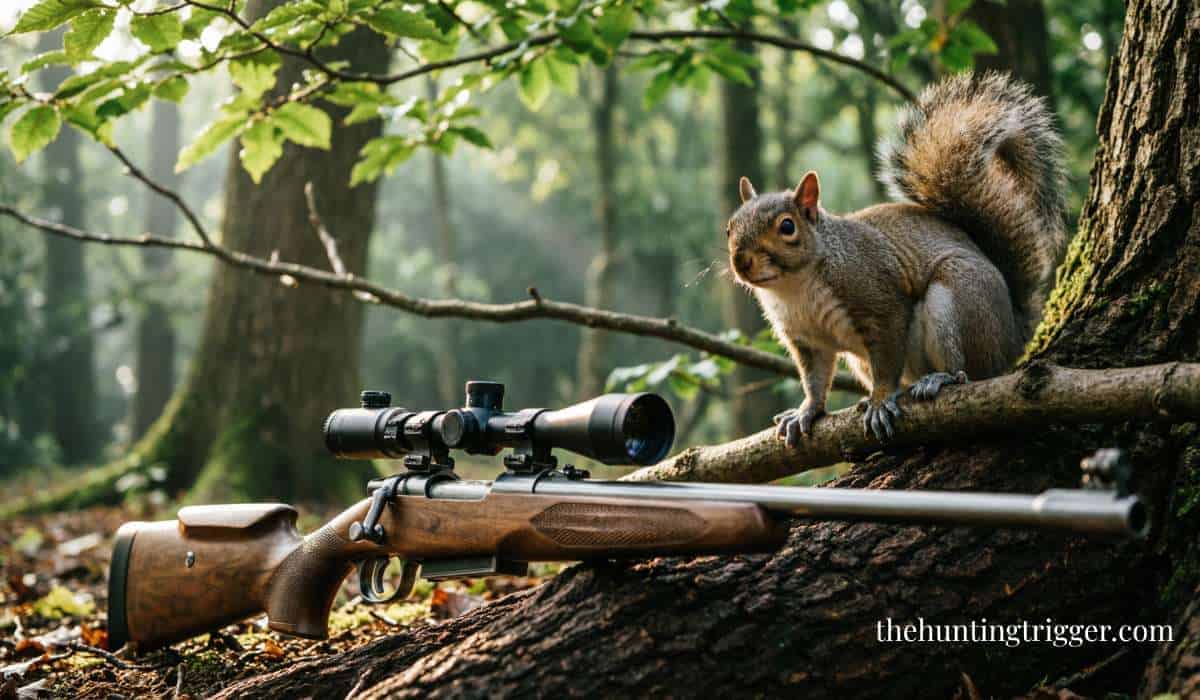
Squirrel hunting with an air rifle is common for pest control and small game hunting. Many beginners ask, “Where should I shoot a squirrel with an air rifle? ” The answer matters for a quick, humane result. This guide explains the best target areas, why shot placement is critical, and what new hunters often overlook.
By the end, you’ll understand how to use your air rifle responsibly and effectively.
Table of Contents
The Importance Of Accurate Shot Placement
Hitting the right spot on a squirrel isn’t just about skill—it’s about ethics. A well-placed shot means the squirrel doesn’t suffer. Poor aim can lead to painful injuries and lost animals. This isn’t fair to the animal or good for your hunting reputation.
Two main factors affect shot success: your knowledge of squirrel anatomy and your understanding of your air rifle’s power. Even a strong airgun won’t help if your shot misses vital areas.
Best Target Areas On A Squirrel
There are two primary zones to aim for when hunting squirrels with an air rifle:
1. Head Shots
Aiming for the brain is the quickest and most humane way to dispatch a squirrel. The brain is a small target, but a direct hit ensures instant loss of consciousness.
- The best entry point is just above the eye, aiming slightly forward toward the opposite ear.
- Side profiles are ideal, as the skull is thinner from the side than from the front.
- Avoid shooting from steep angles as the pellet may deflect off the skull.
Non-obvious insight: Many beginners underestimate how small the squirrel’s brain really is—about the size of a marble. Practice on targets before hunting real squirrels to improve precision.
2. Vital Organ (heart/lung) Shots
If a head shot isn’t possible, the heart and lungs are the next best target. This area is larger, making it easier to hit under field conditions.
- The heart/lung area is just behind the front leg, about one-third up from the bottom of the chest.
- Aim for a broadside shot (when the squirrel is sideways to you).
- The pellet should enter just behind the shoulder and pass through the center of the chest.
Important tip: Avoid shots when the squirrel is facing directly toward or away from you—vital organs are harder to reach, and your pellet may not penetrate effectively.
When Not To Shoot?
Choosing when *not* to shoot is just as important as knowing where to aim. Poor shot choices lead to suffering and wasted time.
- Don’t shoot if the squirrel is moving fast or partially hidden.
- Avoid shooting at steep upward or downward angles, as you may miss the vital zones.
- If you’re unsure of a clean shot, wait for a better opportunity.
Shooting only when you have a clear, ethical target is a mark of a responsible hunter.
Air Rifle Power And Pellet Choice
Not every air rifle is suitable for squirrel hunting. You need enough power and the right type of pellet.
| Air Rifle Power | Recommended Use |
|---|---|
| Below 12 ft-lbs | Not recommended for hunting squirrels |
| 12–20 ft-lbs | Effective for head shots at close range (up to 25 yards) |
| 20+ ft-lbs | Good for both head and heart/lung shots at longer ranges (up to 40 yards) |
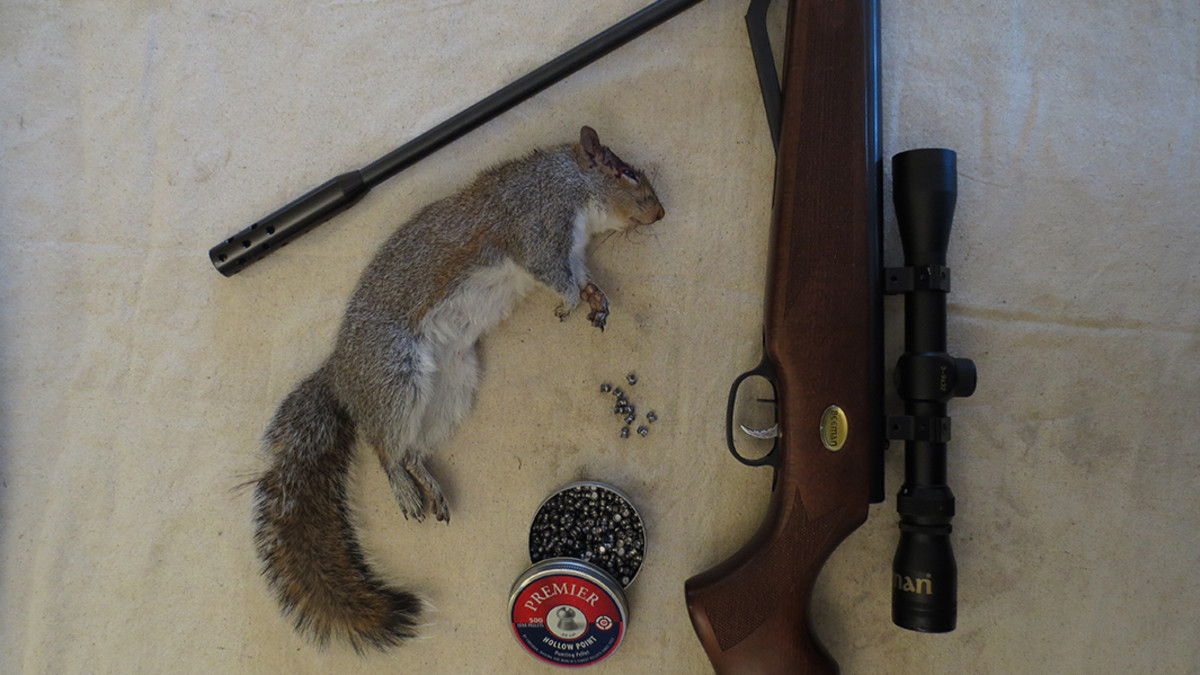
For pellets, use domed or pointed lead pellets. They give better penetration and energy transfer than flat or hollow-point pellets, which can sometimes bounce off bone.
Comparing Head Shot Vs. Heart/lung Shot
Many hunters debate which shot is better. Here’s a side-by-side look:
| Shot Type | Pros | Cons |
|---|---|---|
| Head Shot | Instant kill, no meat damage | Small target, requires high accuracy |
| Heart/Lung Shot | Larger target, easier to hit | Animal may move before dying, possible meat damage |
Practical Shooting Tips
- Stabilize your aim. Rest your air rifle on a solid surface or use shooting sticks for better accuracy.
- Know your distance. Only shoot within the range where you can hit a coin-sized target every time.
- Practice with paper targets shaped like squirrels. Mark the brain and heart/lung zones to build muscle memory.
- Check your local laws. Some places restrict air rifle hunting or require specific calibers.
Beginner mistake: Many new hunters misjudge distance or shoot while standing unsteadily. This leads to missed shots and wounded animals. Take your time.

Common Challenges And How To Handle Them
Squirrels rarely stay still. They move quickly and hide behind branches. Here are solutions for common problems:
- If the squirrel is behind a branch, wait until it moves into a clear line of sight.
- If the wind is strong, get closer or wait for calm. Light pellets can drift off course.
- If your pellet bounces off or doesn’t penetrate, check your rifle’s power and switch to a heavier pellet.
Safety Considerations
Safety is always first. Never shoot toward houses, roads, or people. Know what’s behind your target—a missed shot can travel far.
If hunting in a backyard, alert neighbors and check local regulations. Always use a safe backstop.
Cleaning And Handling Squirrels After The Shot
After a successful shot, approach the squirrel carefully. Make sure it is no longer moving before picking it up. Wear gloves, as squirrels can carry parasites.
Field dress the animal soon after to preserve the meat and prevent spoilage. Dispose of remains responsibly and clean your hands and tools.
Frequently Asked Questions
Where Is The Best Place To Shoot A Squirrel With An Air Rifle?
The best place is the head (brain) for an instant, humane kill. If you can’t get a head shot, aim for the heart/lung area just behind the front leg.
What Caliber Air Rifle Is Best For Squirrel Hunting?
The most common calibers are .22 and .177. A .22 caliber is preferred for better energy and penetration, but a high-powered .177 can also work at close range.
How Close Should I Be To Ensure A Humane Shot?
Stay within 25–40 yards, depending on your air rifle’s power and your shooting skill. Closer is always better for accuracy.
What Type Of Pellet Should I Use For Squirrels?
Use domed or pointed lead pellets. They offer better penetration and energy delivery than flat or hollow points.
Is It Legal To Hunt Squirrels With An Air Rifle Everywhere?
No, laws vary by region. Always check local regulations before hunting with an air rifle. Some areas have strict rules or require permits.
Last Word
Aiming for the right spot with an air rifle takes practice, patience, and respect for wildlife. By focusing on vital zones and using the correct equipment, you’ll hunt more effectively and ethically. This approach not only ensures cleaner results but also helps build your confidence as a responsible airgunner.

Leave a Reply