
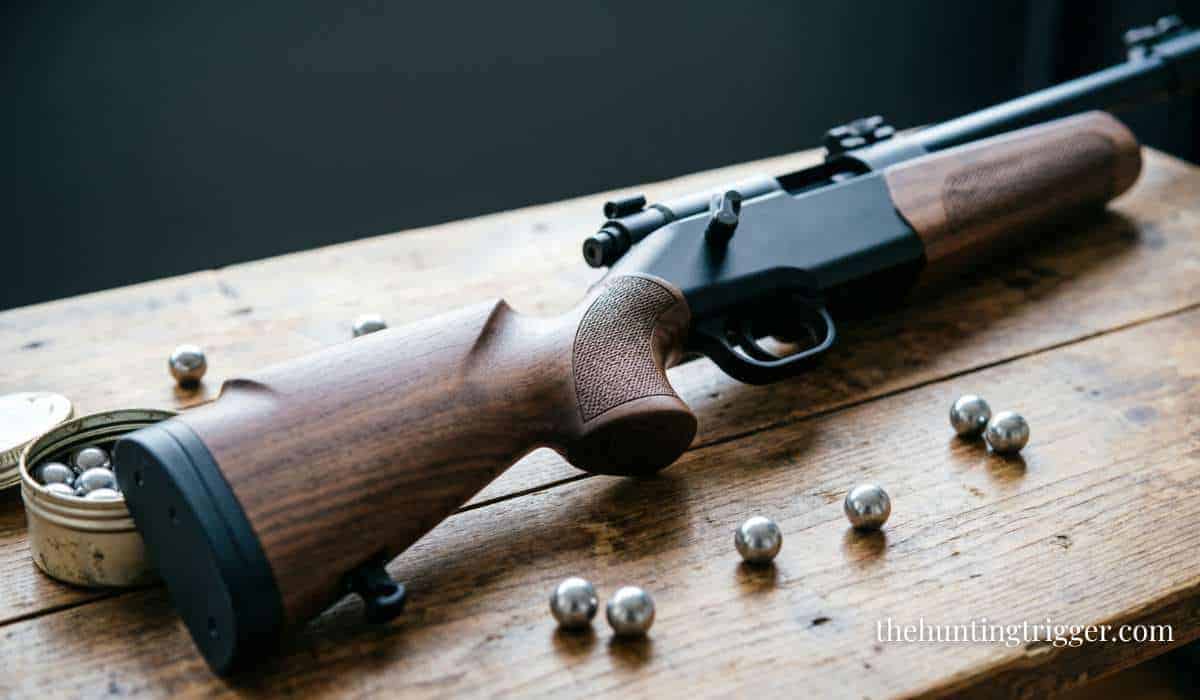
Many people are curious about how air rifles work. These guns use air or gas, not gunpowder, to shoot pellets. They can be used for target practice, pest control, or even small game hunting. But what really happens inside an air rifle when you pull the trigger?
Understanding the science and mechanics can help you use them safely and choose the right model. Let’s explore how air rifles work, what types exist, and what makes them different from regular firearms.
Table of Contents
The Basic Principle Of Air Rifles
An air rifle uses compressed air or gas to fire a projectile, usually a small metal pellet or BB. When you pull the trigger, the gun releases the stored air quickly. This sudden burst of air pushes the pellet down the barrel and out towards the target.
Unlike traditional guns, air rifles do not use gunpowder. This makes them quieter, with less recoil, and often safer for beginners.
Key Parts Of An Air Rifle
Every air rifle shares some basic parts:
- Barrel: The tube that guides the pellet.
- Stock: The part you hold against your shoulder.
- Trigger: The lever you pull to fire.
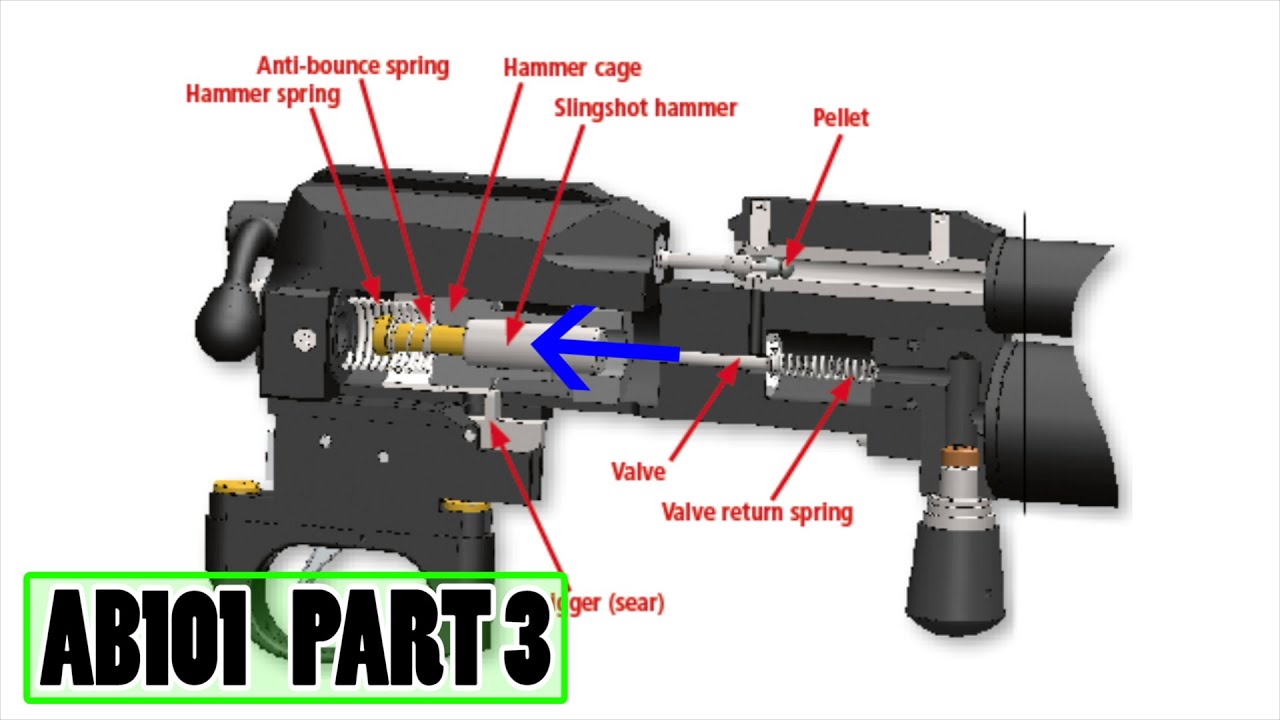
- Action: The mechanism that loads and fires the pellet.
- Power source: Where the air or gas is stored.
Each part plays a key role in performance and accuracy.
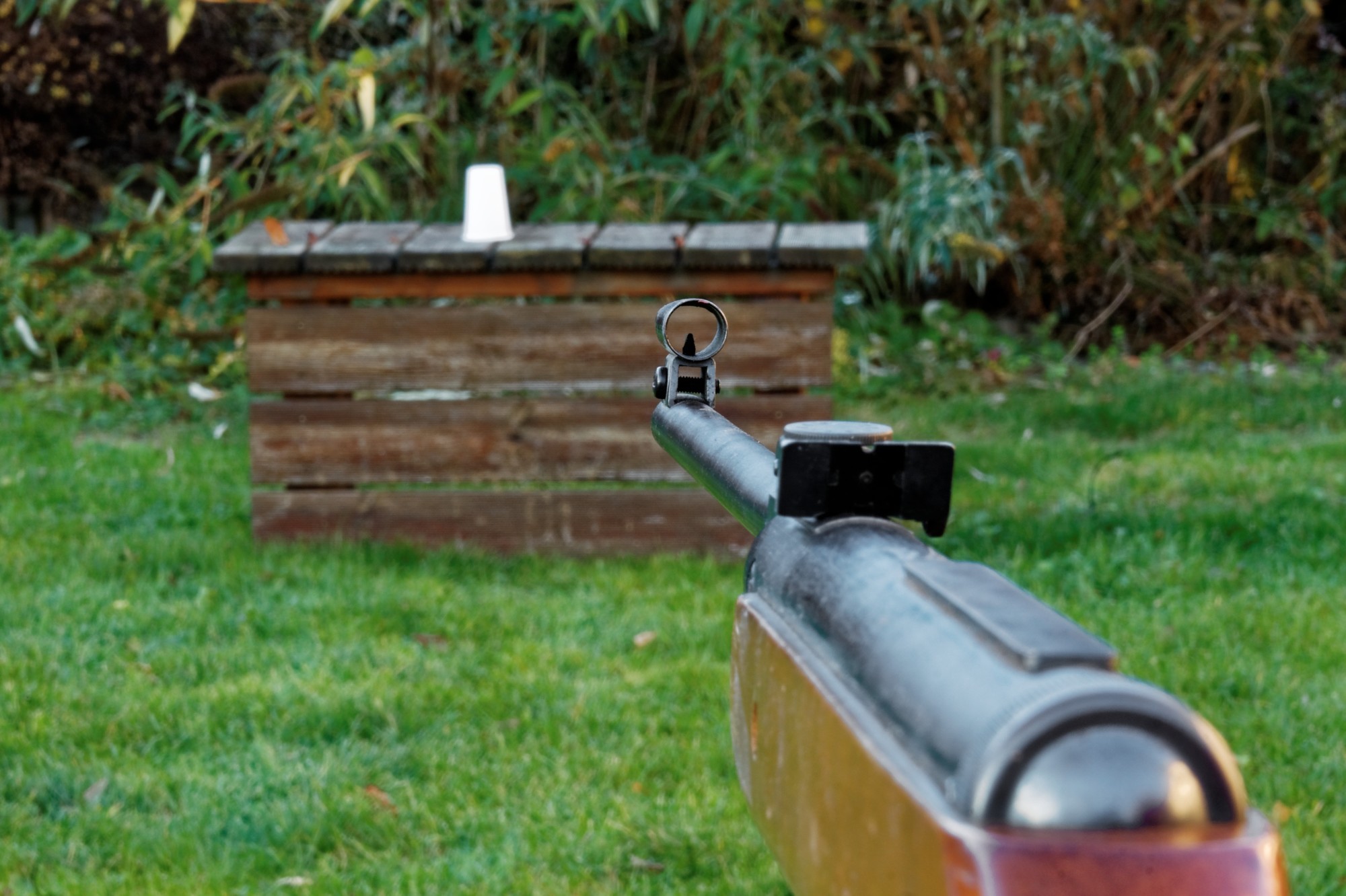
How The Firing Mechanism Works
Here is what happens when you fire an air rifle:
- Loading: You place a pellet into the chamber or magazine.
- Cocking: You prepare the power source, usually by breaking the barrel or pulling a lever.
- Trigger pull: Pulling the trigger releases the compressed air or gas.
- Pellet movement: The pressure pushes the pellet through the barrel at high speed.
- Exit and flight: The pellet leaves the barrel and travels towards the target.
A small detail many miss: The quality of the barrel’s inside (called rifling) spins the pellet, making it more stable in the air and increasing accuracy.
Types Of Air Rifle Power Systems
Not all air rifles work the same way. The power source is the biggest difference. There are three main types:
1. Spring-piston
A spring-piston air rifle uses a coiled spring and a piston. When you cock the gun, you compress the spring. Pulling the trigger releases the spring, which pushes the piston forward. This action squeezes the air in a chamber, sending the pellet out.
Pros:
- Simple design
- No extra air tanks needed
Cons:
- Can have more recoil
- Needs more effort to cock
2. Pneumatic (pump)
Pneumatic air rifles use compressed air. You pump the gun (with a lever or similar system), filling a chamber with air. One pump air rifles need only one stroke, while multi-pump models need several.
Pros:
- Adjustable power (with multi-pump)
- Low recoil
Cons:
- Pumping can be slow
- More moving parts
3. Co2 (gas)
CO2 air rifles use pressurized carbon dioxide gas, usually in small canisters. When you pull the trigger, a valve opens and CO2 pushes the pellet out.
Pros:
- Easy and fast to use
- Low recoil
Cons:
- Power drops in cold weather
- Need to buy gas canisters
Here’s a quick comparison of the three systems:
| Type | Power Source | Main Advantage | Main Limitation |
|---|---|---|---|
| Spring-Piston | Mechanical Spring | Simple, reliable | Heavier recoil |
| Pneumatic | Compressed Air | Adjustable power | Slower to reload |
| CO2 | CO2 Cartridges | Quick firing | Performance drops in cold |

Pellets And Ammunition
Air rifles typically shoot pellets or BBs. Pellets come in different shapes and sizes, but the most common are .177 and .22 caliber. The right pellet can make a big difference in accuracy and power.
- Wadcutter pellets: Flat heads, good for target shooting.
- Domed pellets: Rounded heads, better for hunting.
- Pointed pellets: Sharper tips, designed for penetration.
Here’s a simple look at pellet types:
| Pellet Type | Best Use | Shape |
|---|---|---|
| Wadcutter | Targets | Flat |
| Domed | Hunting | Round |
| Pointed | Pest Control | Sharp Tip |
A mistake many beginners make is using the wrong pellet size for their gun. This can lower power, harm accuracy, and even damage the barrel.
Air Rifle Accuracy And Power
Two key factors for air rifles are accuracy and power.
- Accuracy depends on the quality of the barrel, the pellet used, and even the shooter’s technique. Clean your barrel often for best results.
- Power is measured in feet per second (fps) or joules. Most air rifles shoot between 500 and 1200 fps. Higher power is not always better; for target practice, too much power can damage your target.
Here’s how different uses match with typical air rifle power:
| Use | Recommended Power (fps) |
|---|---|
| Target Shooting | 500-800 |
| Pest Control | 700-900 |
| Small Game Hunting | 900-1200 |
An insight many overlook: Overpowered rifles can be harder to shoot accurately due to recoil and pellet speed, especially for new users.
Safety And Legal Aspects
Even though air rifles do not use gunpowder, they are not toys. They can cause injury. Always follow safety rules:
- Never point at people or pets
- Wear eye protection
- Store unloaded and locked away from children
Laws on air rifles can change by country or state. In some places, you need a license or must be over a certain age. Always check local rules before buying or using an air rifle.
Frequently Asked Questions
What Is The Main Difference Between Air Rifles And Regular Guns?
Air rifles use air or gas to fire pellets, not gunpowder. This makes them quieter and often less powerful. Regular guns use gunpowder and fire bullets.
Are Air Rifles Safe For Children?
Air rifles are not toys. With adult supervision, some low-power models can be safe for older children, but always follow safety rules and local laws.
How Far Can An Air Rifle Shoot?
Most air rifles can shoot up to 50 meters accurately. Some high-powered models can reach over 100 meters, but accuracy drops with distance.
What Maintenance Does An Air Rifle Need?
Clean the barrel regularly, check for loose screws, and store it dry. Use only proper oil and never over-lubricate.
Can I Hunt With An Air Rifle?
Yes, many people use air rifles for hunting small game like rabbits or squirrels. Use the right caliber and check your local laws before hunting.
Finally
Air rifles are simple in design but have many small details that affect how they work. Understanding the basics helps you choose the right model, use it safely, and get the best results from your shooting. Whether you enjoy target practice or need a tool for pest control, knowing how an air rifle works makes all the difference.

Leave a Reply