

Shooting sports offer excitement, skill development, and a sense of community. If you’re a shotgun enthusiast, you might wonder: Can you shoot shotguns at an indoor range? The answer isn’t as simple as yes or no. Many factors affect whether you can bring your shotgun to an indoor facility, and what you can do once you’re there. This article explores the rules, safety, and practical aspects of shooting shotguns indoors. Whether you’re a beginner or have years of experience, you’ll find clear, practical information to help you stay safe and make the most of your range visits.
Why People Want To Shoot Shotguns Indoors
Shotguns are popular for sport shooting, home defense, and hunting practice. Many shooters, especially those living in cities, don’t have access to outdoor ranges or rural land. Indoor ranges are often more accessible and have regular hours. Practicing indoors can help you improve accuracy, test ammunition, and enjoy shooting year-round—even in bad weather.
But not every range welcomes shotguns, and some have strict rules. Understanding why helps you decide where and how to train.
Are Shotguns Allowed At Indoor Ranges?
Not all indoor ranges allow shotguns. Here’s why:
- Backstop limitations: Shotguns fire many small pellets (shot), not a single bullet. This wide spray can damage standard indoor backstops, which are often designed for handgun or rifle bullets.
- Noise and recoil: Shotguns are loud and produce strong recoil. Indoor ranges must have good soundproofing and safety features.
- Cleanliness and maintenance: Shooting shotguns, especially with birdshot or buckshot, can create more debris and wear out range equipment faster.
However, some indoor ranges are designed for shotguns, or have special lanes for them. It’s important to call ahead or check the range’s website before you bring your shotgun.

Common Rules For Shotgun Use At Indoor Ranges
Each range sets its own policies, but most indoor ranges with shotgun lanes have similar rules:
- Slug-only policy: Many allow only shotgun slugs, not birdshot or buckshot. Slugs are single, solid projectiles, which are safer for backstops.
- Ammunition limits: Some ranges limit the power of shells. For example, you may be asked to use low-recoil or target loads.
- Choke restrictions: Certain chokes (the device at the muzzle that controls shot spread) may be required to limit pellet spread.
- Distance rules: You may need to shoot from a minimum distance, such as 7 or 10 yards.
- Patterning targets: Patterning (testing the spread of your shot) is often not allowed indoors.
Always read and follow the range’s posted rules. If you ignore them, you risk being banned or causing safety problems.
Differences Between Shotgun, Rifle, And Handgun Use Indoors
It helps to compare shotgun use with other firearms at indoor ranges. Here’s a summary:
| Feature | Shotgun | Rifle | Handgun |
|---|---|---|---|
| Allowed Indoors? | Sometimes, with restrictions | Often, depends on caliber | Yes, most common |
| Backstop Damage Risk | High (with shot) | Medium | Low |
| Noise Level | Very High | High | Medium |
| Ammo Restrictions | Usually slug only | Caliber restrictions | Few restrictions |
| Debris Produced | High (wads, shot) | Medium | Low |
As you can see, shotguns present special challenges indoors, but many ranges are finding ways to accommodate them safely.
Types Of Shotgun Ammunition And Indoor Range Rules
Understanding shotgun ammunition is key. Here’s how common ammo types are viewed at indoor ranges:
| Ammo Type | Indoor Range Policy | Reason |
|---|---|---|
| Birdshot | Usually not allowed | Pellets damage backstop, hard to clean |
| Buckshot | Rarely allowed | Similar problems as birdshot, heavier pellets |
| Slugs | Often allowed | Single projectile, safer for backstop |
| Less-lethal rounds | Usually not allowed | Unpredictable behavior, liability risk |
A non-obvious point: Some modern indoor ranges use advanced bullet traps that can handle buckshot or birdshot, but these are rare and usually found in law enforcement or military facilities.
How To Prepare For Shooting A Shotgun Indoors
If you plan to shoot your shotgun at an indoor range, preparation is key:
- Call ahead: Confirm the range’s policy for shotguns and the type of ammo allowed.
- Bring the right ammo: Most likely, you’ll need slugs. Buy enough, and avoid steel or armor-piercing loads.
- Check your shotgun’s condition: Make sure your firearm is clean, safe, and legal.
- Eye and ear protection: Shotguns are loud—double up on hearing protection if possible.
- Follow all range commands: Listen to staff, and ask questions if you’re unsure.
A tip many beginners miss: Practice loading and unloading your shotgun safely at home (unloaded and pointed in a safe direction) before you go to the range. This reduces stress and mistakes when you’re at the facility.
Benefits Of Shooting Shotguns At Indoor Ranges
There are real advantages to practicing with a shotgun indoors:
- Weatherproof training: Rain or snow won’t stop you.
- Controlled environment: Good lighting, ventilation, and safety staff.
- Improved accuracy: Shooting slugs at targets helps with precision, not just spread.
- Convenience: Urban ranges often have longer hours and easier access.
However, indoor ranges are not a replacement for outdoor field training—especially if you want to practice with birdshot, patterning, or moving targets.
Common Mistakes And How To Avoid Them
Shooting a shotgun indoors is different from outdoor clay or hunting practice. Watch out for these mistakes:
- Bringing the wrong ammunition: Many first-timers bring birdshot or buckshot, only to be turned away.
- Ignoring range rules: Some shooters assume all indoor ranges are the same. Always read posted signs.
- Poor stance and recoil management: Indoor lanes are narrow—make sure you have a solid, balanced stance.
- Not securing loose items: The shockwave from a shotgun can knock over gear or debris on the bench.
A less obvious mistake: Failing to check your shotgun’s overall length. Some indoor ranges have rules about minimum gun length (for example, no “short-barreled” shotguns).
What To Expect At The Range
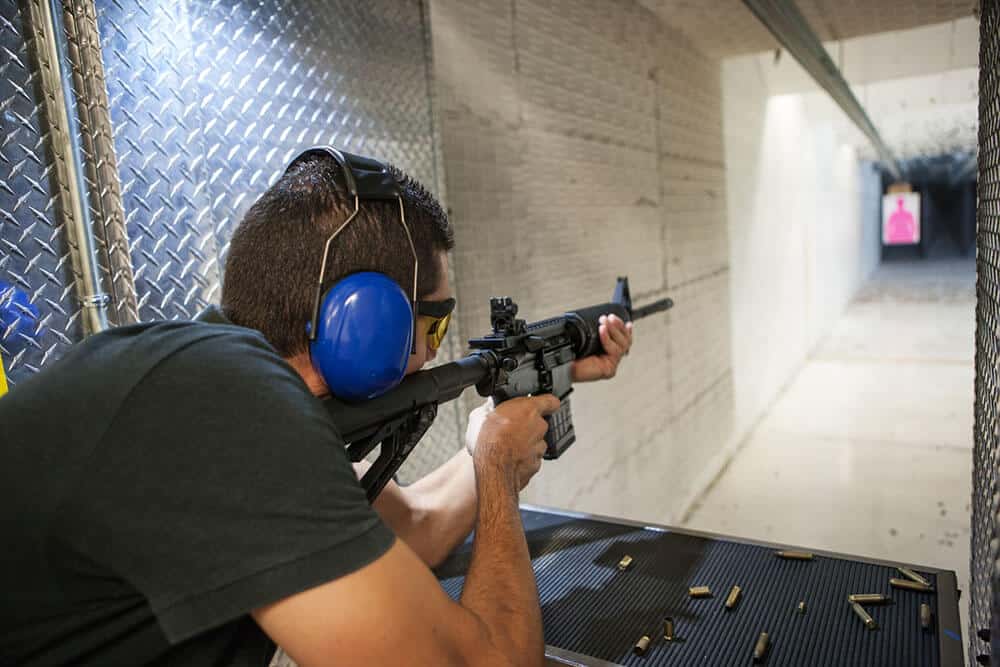
The experience of shooting a shotgun indoors is unique. You’ll notice:
- Louder noise than pistol or rifle lanes.
- More recoil—be ready to absorb it.
- Lower target movement—most indoor ranges have stationary targets, not clay throwers.
- Strict safety checks—staff will often inspect your shotgun and ammo.
If you’re new, don’t hesitate to ask the staff for help. Indoor ranges want you to be safe and have a good experience.
Alternatives To Indoor Shotgun Shooting
If your local indoor range doesn’t allow shotguns, you have options:
- Outdoor ranges: These are best for traditional shotgun sports like skeet and trap.
- Private clubs: Some have special facilities or “patterning boards” for shotguns.
- Simulators: Digital shooting simulators are becoming more popular for shotgun practice.
- Special events: Occasionally, ranges will host “shotgun night” or training days.
Don’t get discouraged—many shooters use a mix of indoor and outdoor facilities to improve their skills.
Practical Tips For Indoor Shotgun Shooters
Here are some tips that make a big difference, especially for beginners:
- Arrive early: You’ll have more time to ask questions and set up.
- Double up on hearing protection: Wear both plugs and earmuffs.
- Use proper stance: Stand square to the target, feet shoulder-width apart.
- Watch your muzzle: Always keep the shotgun pointed downrange, even when reloading.
- Clean up after yourself: Pick up spent shells and wads if required.
A pro tip: If you’re practicing for home defense, use the same ammo type and shotgun setup you’d use at home. This builds real confidence and skill.
Legal And Insurance Considerations
Indoor ranges usually have strict policies to protect themselves and their guests. Always:
- Bring valid ID and any required permits.
- Follow local, state, and federal laws for firearm transport and use.
- Ask about insurance—many ranges have waivers you must sign.
If you’re not sure about laws in your area, check resources like the Bureau of Alcohol, Tobacco, Firearms and Explosives for up-to-date guidance.
When Indoor Shotgun Shooting Is Not A Good Idea
There are times when shooting a shotgun indoors is not ideal:
- If you want to shoot moving targets or pattern your gun, outdoor ranges are better.
- If you’re sensitive to noise or recoil, shotguns indoors can be overwhelming.
- If you want to shoot with friends as a group, some indoor ranges limit the number of shooters per lane for safety.
Think about your goals before choosing an indoor facility.
The Future Of Indoor Shotgun Ranges
New technologies are making indoor shotgun shooting safer and more available. Modern bullet traps, better ventilation, and soundproofing help more ranges offer shotgun lanes. Instructors now use indoor ranges for defensive shotgun classes and precision slug shooting.
Still, most indoor facilities focus on handguns and rifles. Shotgun shooters should expect some limits but can find good options with a little research.
Frequently Asked Questions
Can I Shoot Birdshot Or Buckshot At An Indoor Range?
Most indoor ranges do not allow birdshot or buckshot. The main reason is that the pellets can damage the backstop and create safety hazards. Always check with the range before you visit.
Why Do Some Indoor Ranges Only Allow Shotgun Slugs?
Slugs are single projectiles and are easier for backstops to handle. Buckshot and birdshot spread out and can harm the range’s safety systems or create hard-to-clean debris.
Is Shotgun Recoil Worse Indoors?
The recoil is the same, but it can feel stronger indoors because of the noise and confined space. Use proper stance and consider low-recoil ammunition if you’re sensitive.
Do I Need Special Ear Protection For Shotguns Indoors?
Yes, shotguns are extremely loud indoors. Use both earplugs and earmuffs for maximum protection.
Are There Any Advantages To Shooting A Shotgun Indoors?
Yes. You get consistent practice regardless of weather, better lighting, and a controlled environment. It’s great for improving accuracy with slugs and for self-defense training.
Shooting a shotgun at an indoor range is possible, but it’s different from other types of shooting. By understanding the rules, preparing properly, and using the right equipment, you can enjoy shotgun practice indoors safely and effectively. Always respect the range, the staff, and other shooters—safety and responsibility come first.


Leave a Reply