
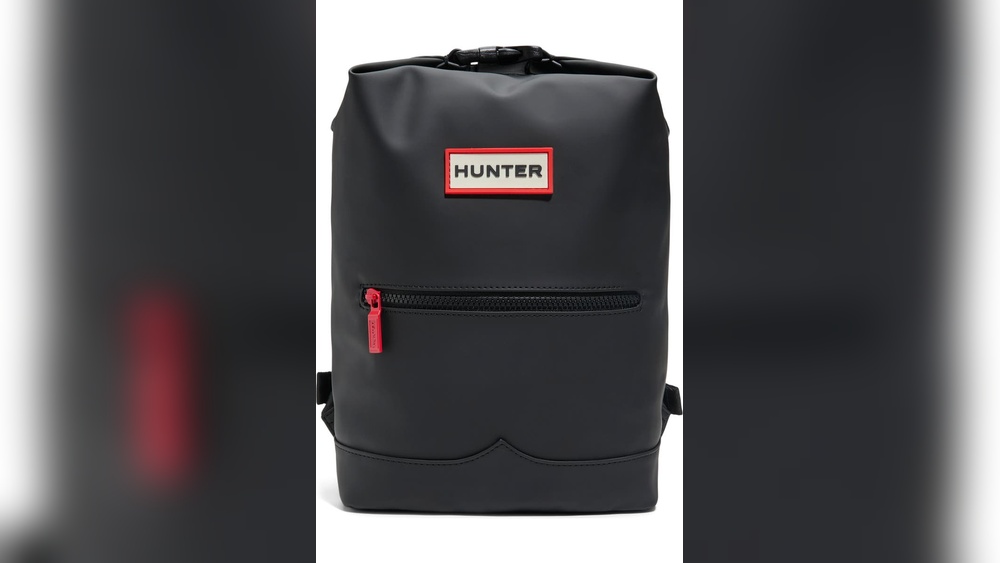
A well-made backpack is an essential tool for anyone who spends time outdoors. Whether you hike, hunt, or camp, you rely on your bag to protect your gear. Among popular choices, Hunter backpacks often stand out for their rugged style and practical features. But are they really waterproof? This question matters because wet gear can ruin your trip and damage valuable items. Here, the focus is on what waterproof means, how Hunter backpacks handle water, and what to expect in different situations.
Table of Contents
What Does Waterproof Mean For Backpacks?
The term waterproof is often misunderstood. For backpacks, it usually means that the bag can resist water to a certain degree, but few bags are truly waterproof. Most are water-resistant or weatherproof. Waterproof means the backpack can keep water out even during heavy rain or when submerged. Water-resistant means it can handle light rain or splashes, but not long exposure.
Backpack makers use materials like nylon, polyester, or even PVC to help repel water. They may add coatings such as polyurethane or DWR (Durable Water Repellent) to improve performance. Seams and zippers are weak points, so the best waterproof backpacks have sealed seams and waterproof zippers.
Hunter Backpacks: Materials And Construction
Hunter backpacks are known for their durability and style. Most models use high-density nylon or polyester fabric, which is naturally water-resistant. Some versions include a PU coating for extra protection. The lining inside is often made from polyurethane, which adds another barrier against moisture.
The construction method is important. Many Hunter backpacks feature double stitching and reinforced seams. However, not all have fully sealed seams. The zippers are usually strong, but only some models use water-resistant zippers. The combination of these features determines how well a Hunter backpack keeps water out.
Common Features In Hunter Backpacks
- Water-resistant fabric: Most Hunter backpacks use treated nylon or polyester.
- PU or DWR coating: Offers extra repellency.
- Reinforced seams: Improves durability, but not always waterproof.
- Heavy-duty zippers: Some are water-resistant, others are not.
- Internal lining: Adds another layer of defense.
How Hunter Backpacks Perform In Wet Conditions?
To judge waterproof performance, it helps to see how Hunter backpacks react to different weather. In light rain, most Hunter backpacks hold up well. The water beads off the surface, and your items stay dry. During heavy rain, water can seep through seams or zippers if they are not sealed.
If the backpack is dropped in a puddle or stream, only models with sealed seams and waterproof zippers will keep water out. Most standard Hunter backpacks are water-resistant, not fully waterproof. This means they protect against brief showers but not immersion.
Water Resistance Ratings
Some Hunter backpacks are tested for water resistance using ratings like IPX4 or IPX5. These indicate protection from splashes or jets of water. However, most Hunter backpacks do not have an official waterproof rating.
Here is a comparison of water resistance levels for common Hunter backpack materials:
| Material | Coating | Water Resistance | Typical Use |
|---|---|---|---|
| Nylon | PU/DWR | Light to moderate rain | Day hikes, school |
| Polyester | PU/DWR | Light rain | Urban, daily |
| PVC | None | Heavy rain, immersion | Outdoor, marine |
Most Hunter backpacks use nylon or polyester with coatings, making them good for rainy days but not for situations where the bag is soaked or submerged.
Comparing Hunter Backpacks With Other Brands
Hunter backpacks compete with brands like Osprey, The North Face, and Deuter. Each brand offers various levels of water protection.
| Brand | Waterproof Models | Water Resistance | Typical Price Range |
|---|---|---|---|
| Hunter | Few | Good (rain) | $80–$150 |
| Osprey | Some | Excellent (rain, splash) | $100–$250 |
| The North Face | Several | Excellent (rain) | $90–$200 |
| Deuter | Few | Good (rain) | $70–$180 |
Hunter backpacks are strong in style and basic water resistance but may lag behind specialized outdoor brands in full waterproofing.
Real-world Use Cases And Insights
For most users, Hunter backpacks are enough for daily life and short trips. If you walk to work, travel in cities, or hike in mild weather, the water resistance is usually sufficient. Rain beads off, and your laptop or books stay safe.
However, for longer hikes, heavy storms, or water sports, you may need more protection. A beginner often thinks any water-resistant backpack is waterproof. This is not true. Only bags with sealed seams and waterproof zippers can handle extreme conditions.
Another detail is the age of the backpack. Over time, coatings wear off, and the fabric loses repellency. Regular cleaning and re-coating can help, but most users skip this maintenance. Also, some people rely on the outer appearance (shiny, slick surface) to judge waterproofing. This is misleading because real protection comes from the inner lining and seam sealing.
How To Improve Water Protection?
If you own a Hunter backpack and need extra water protection, there are practical steps you can take.
- Apply a DWR spray: Refresh the coating to repel water better.
- Use a rain cover: Many backpacks fit standard covers, which block rain completely.
- Pack gear in dry bags: Protect electronics and clothes inside waterproof sacks.
- Avoid overstuffing: Tight packing can stretch seams and invite leaks.
- Store backpack properly: Dry it after exposure to rain to prevent fabric weakening.
Common Mistakes
A few mistakes can reduce water resistance:
- Leaving the backpack wet for long periods, which damages coatings.
- Assuming all Hunter models are waterproof; always check the specs.
- Using harsh detergents, which strip protective layers.
Waterproof Ratings And Certifications
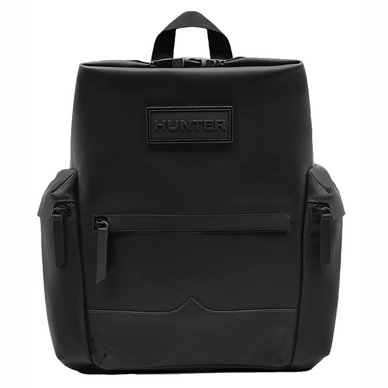
Some brands offer certified waterproof backpacks. These are tested with standards like IPX (Ingress Protection) or ISO. Hunter does not usually publish waterproof ratings for their standard backpacks. If waterproofing is critical, look for these certifications.
| Rating | Protection Level | Suitable For |
|---|---|---|
| IPX4 | Resists splashes | Urban, light rain |
| IPX6 | Resists strong water jets | Outdoor, heavy rain |
| IPX7 | Submersion up to 1 meter | Water sports |
Hunter backpacks mostly fall in the IPX4–IPX6 range based on user reports, not official certifications.
Selecting The Right Backpack For Your Needs
When choosing a backpack, consider how you plan to use it. If your main concern is water protection, focus on these factors:
- Material: Nylon and polyester are good, PVC is best for waterproof.
- Coating: Look for DWR or PU.
- Seam sealing: Important for true waterproofing.
- Zipper type: Waterproof zippers make a big difference.
- Rain cover: A must for heavy rain.
Many buyers forget to check the product description for waterproof details. Always ask about seam sealing and zipper design. Avoid assuming that a high price means waterproofing; some expensive bags focus on style rather than function.

Maintenance Tips For Long-lasting Water Resistance
Taking care of your backpack extends its life and water protection. Clean it with mild soap, not harsh chemicals. Let it dry fully before storing. Apply a DWR spray every season if you use it often in wet conditions. Check for loose seams and fix them early.
If you notice water soaking in, try using a rain cover or pack important items in dry bags. Don’t ignore small leaks; they can grow over time.
Hunter Backpacks And Environmental Impact
Hunter backpacks are made to last, reducing waste. However, synthetic coatings like PU or DWR can have environmental drawbacks. Some newer Hunter models use eco-friendly coatings or recycled fabrics. If sustainability is important to you, look for these options.
Brands are shifting to safer chemicals, and you can find more information about eco-friendly backpacks from organizations like REI.
Frequently Asked Questions
Are All Hunter Backpacks Waterproof?
No, most Hunter backpacks are water-resistant, not fully waterproof. They handle light rain but may leak during heavy storms or immersion.
How Can I Tell If My Hunter Backpack Is Waterproof?
Check the product label or website. Look for sealed seams, waterproof zippers, and a waterproof rating like IPX. If these features are missing, the backpack is likely water-resistant.
Will A Rain Cover Make My Hunter Backpack Waterproof?
A rain cover gives strong protection against rain. It shields the whole backpack and is easy to use. For heavy rain or long exposure, a rain cover is a smart choice.
Can I Wash My Hunter Backpack To Keep It Water-resistant?
Yes, but use mild soap and avoid harsh cleaners. Washing removes dirt, but strong detergents can strip the water-repellent coating. Apply a DWR spray after washing to restore protection.
What Should I Do If My Hunter Backpack Starts Leaking?
Dry the backpack fully and check for damaged seams or coating. Use a DWR spray to refresh water resistance. For serious leaks, pack gear in dry bags or use a rain cover until you can repair or replace the bag.
Last Word
Hunter backpacks offer reliable water resistance for daily life and mild outdoor use. For extreme conditions, add a rain cover or choose a certified waterproof model. Always check the features before buying, and maintain your bag to keep it ready for any weather.
The right backpack keeps your gear safe and lets you focus on your adventure, rain or shine.

Leave a Reply