
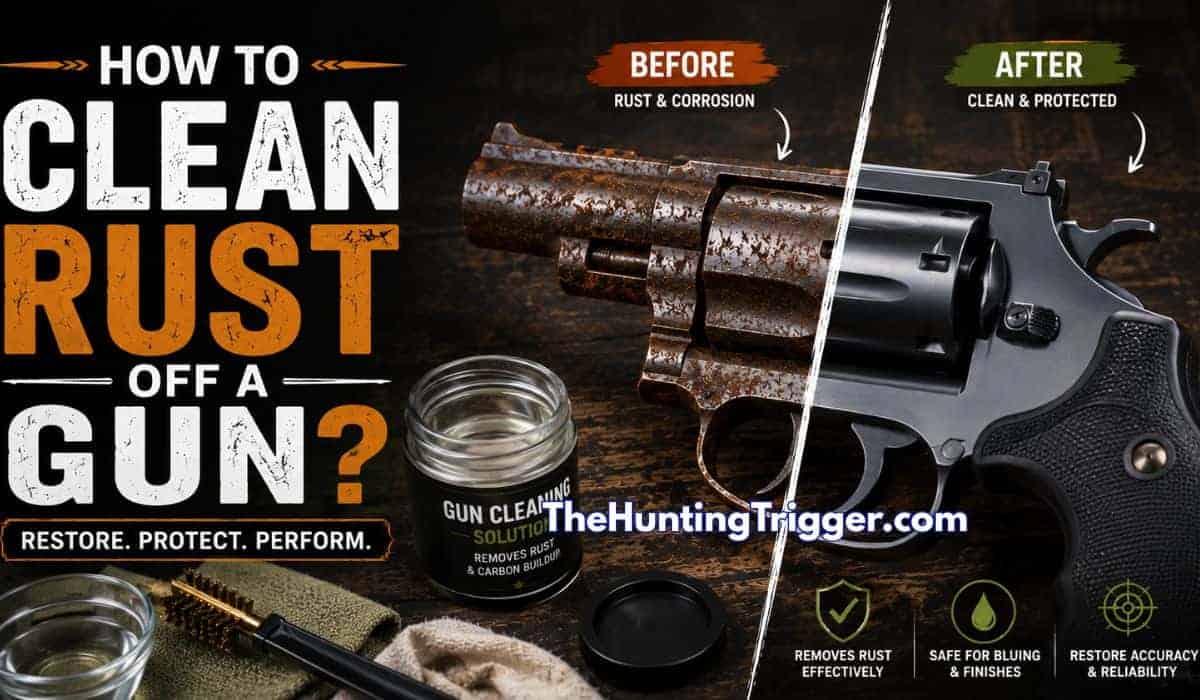
Cleaning rust off a gun is an important task for anyone who owns firearms. Rust can damage metal parts, reduce accuracy, and even make a gun unsafe to use. With the right tools and techniques, you can remove rust safely and keep your gun in good condition.
This guide explains how to clean rust from a gun, what methods work best, and how to prevent rust from returning. Whether you’re new to guns or have years of experience, keeping your firearm rust-free will help it last longer and stay reliable.
Table of Contents
Why Rust Forms On Guns?
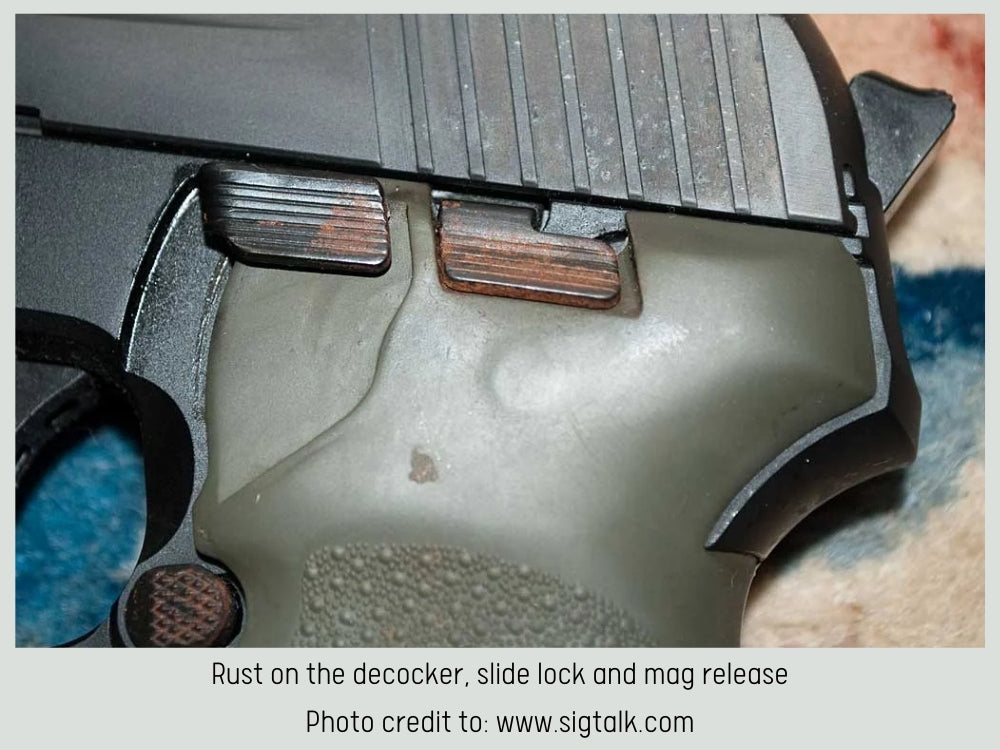
Guns are made from steel and other metals. When these materials are exposed to moisture, oxygen, or sweat, oxidation occurs. This is the process that creates rust. Guns used outdoors or stored in humid places are more likely to get rusty. Even small amounts of moisture from your hands can start the process. Rust is not just a cosmetic issue; it can weaken the metal and affect the gun’s function.
Some common reasons for rust:
- Storing guns in damp environments
- Handling guns with sweaty or wet hands
- Not cleaning after use, especially after shooting in rainy weather
- Using old or damaged protective coatings
According to the National Shooting Sports Foundation, rust is one of the top reasons for firearm malfunction and early wear.
Tools And Materials Needed
Before cleaning rust off a gun, gather the right supplies. Using improper tools can scratch or damage the metal. Here is a comparison table of common cleaning materials:
| Tool/Material | Purpose | Recommended For |
|---|---|---|
| Soft cloth | Wiping surfaces | All guns |
| Gun oil | Lubrication and rust prevention | All metal parts |
| Brass brush | Removing light rust | Barrels and frames |
| Steel wool (0000 grade) | Removing moderate rust | Heavily rusted areas |
| Rust remover solution | Dissolving tough rust | Severe cases |
| Protective gloves | Safety | All cleaning tasks |
| Plastic brush | Gentle cleaning | Delicate finishes |
Some gun owners use household items like WD-40 or vinegar, but these are not always safe for firearms. Gun-specific products are designed to protect the finish and prevent further rust.
Preparing Your Gun For Cleaning
Safety is always the first priority. Make sure the gun is unloaded before you begin. Remove any ammunition from the area. Disassemble the gun as much as the manufacturer recommends. This usually means taking apart the slide, barrel, and frame for handguns, or separating the action and barrel for rifles and shotguns.
Tips for safe preparation:
- Wear gloves to protect your hands from chemicals.
- Work in a well-lit area.
- Keep cleaning tools organized.
- Use a mat or towel to avoid scratching surfaces.
Methods For Removing Rust From Guns
There are several ways to remove rust, depending on how severe it is. Here’s how to clean rust from light, moderate, and heavy cases.
Light Rust
For small spots or surface rust, a soft cloth and gun oil are usually enough.
- Apply a few drops of gun oil to the rusty area.
- Let it sit for 10–15 minutes to loosen the rust.
- Wipe with a soft cloth, using gentle pressure.
- Repeat if needed, until the rust is gone.
Most new rust will come off easily. Avoid scrubbing hard; this can remove bluing or damage the finish.
Moderate Rust
When rust is more stubborn but not deeply set, use a brass brush or 0000 steel wool.
- Apply gun oil or a gun-safe rust remover to the area.
- Use brass brush or steel wool to rub the rust gently.
- Move in the direction of the metal grain, not circles.
- Wipe with a clean cloth.
- Inspect and repeat if necessary.
Brass brushes are softer than steel, so they won’t scratch the surface. Steel wool should be very fine (0000 grade); coarse steel wool can ruin a gun’s finish.
Heavy Rust
Deep rust needs special attention. Rust remover solutions made for guns are best.
- Follow the instructions on the rust remover bottle.
- Apply the solution to rusty spots.
- Wait for the recommended time (usually 15–30 minutes).
- Use a brush or steel wool to remove loosened rust.
- Clean with a damp cloth, then dry immediately.
- Apply gun oil to protect the metal.
Some solutions are acidic. Always rinse and dry the gun thoroughly after use. Avoid using strong chemicals on delicate areas.
Barrel Cleaning
Barrels are critical for safety and accuracy. If rust is inside the barrel, use a bore brush and gun oil.
- Run a patch with gun oil through the barrel.
- Use a bore brush to scrub inside.
- Run clean patches until no rust appears.
- Dry and lightly oil the barrel.
Barrel rust can affect bullet trajectory. Always check the barrel before shooting.

Comparing Gun Cleaning Products
Choosing the right product makes the job easier and safer. Here’s a comparison of common gun rust removers and oils:
| Product | Type | Effectiveness | Safety | Price Range |
|---|---|---|---|---|
| Break-Free CLP | Cleaner/Lubricant | High | Safe for all metals | $8–$15 |
| Hoppe’s No. 9 | Solvent | Moderate | Safe for blued steel | $5–$12 |
| Ballistol | Oil/Protectant | Good for light rust | Safe for wood and metal | $7–$18 |
| WD-40 | General lubricant | Low for rust removal | Can harm finish | $4–$10 |
| Birchwood Casey Rust Remover | Specialty remover | High for heavy rust | Use with caution | $6–$20 |
Gun-specific oils and removers are safer and more effective than general household products. Avoid products not designed for firearms.
Important Tips For Rust Removal
- Always work slowly. Rushing can lead to scratches or damage.
- Use the gentlest method possible. Start with oil and cloth before using brushes or steel wool.
- Avoid using sandpaper or harsh abrasives.
- Protect wood parts from chemicals. Cover wooden grips or stocks during cleaning.
- Clean all parts thoroughly after rust removal. Residue can cause new rust.
- Store guns in a dry place after cleaning.
A mistake many beginners make is over-cleaning with aggressive tools. This can remove the protective bluing or leave the metal bare, making it more likely to rust again.
Preventing Rust After Cleaning
After removing rust, keeping your gun protected is essential. Prevention is easier than repeated cleaning.
Storage Solutions
Store guns in a dry, cool place. Humidity is the main cause of rust. Gun safes with dehumidifiers or silica gel packs help keep moisture away.
- Use gun socks or cases with moisture-wicking material.
- Avoid storing guns in leather cases for long periods (leather absorbs moisture).
Applying Protective Coatings
After cleaning, apply a thin layer of gun oil or protectant. This creates a barrier against moisture and oxygen.
- Wipe all metal surfaces with oil.
- For long-term storage, use a heavier coating.
Some advanced coatings like cerakote or parkerizing offer extra protection but require professional application.
Regular Maintenance
Check your guns monthly, especially if stored for a long time. Wipe off fingerprints and inspect for new rust spots. Clean guns after every use, especially after shooting in wet conditions.
A non-obvious insight: Rust can start under fingerprints. Sweat contains salt, which speeds up rusting. Always wipe down guns after handling.
Common Mistakes To Avoid
Many gun owners make errors that lead to more rust or damage. Here are some mistakes to watch for:
- Using excessive force when cleaning
- Leaving cleaning solutions on too long
- Mixing household cleaners with gun-specific oils
- Not drying the gun completely after cleaning
- Storing guns in plastic cases without ventilation
Another overlooked issue: Some gun cases have foam that traps moisture. If you use a foam-lined case, check regularly and add silica gel.
Practical Example: Cleaning A Rusty Revolver
Let’s say you find rust spots on a revolver after storing it in a damp basement.
- Unload the revolver and remove ammunition.
- Disassemble as much as possible.
- Apply gun oil to rusty areas, wait 15 minutes.
- Use a brass brush to gently remove rust.
- Wipe with a cloth, repeat if needed.
- Clean the barrel with a bore brush and oil.
- Dry all parts, then apply a light coat of oil.
- Store in a dry place with a silica gel pack.
With regular care, even older guns can stay rust-free.
Frequently Asked Questions
How Often Should I Check My Guns For Rust?
Inspect your guns at least once a month if stored, and after every use. If you live in a humid climate, check more often. Regular inspection prevents rust from becoming severe.
Can I Use Household Products Like Vinegar Or Wd-40 To Clean Rust?
Vinegar and WD-40 can remove rust, but they may harm gun finishes or leave residues. Gun-specific products are safer and work better for preserving the metal and finish.
What Grade Of Steel Wool Is Safe For Guns?
Always use 0000 grade steel wool (very fine). Coarser grades can scratch and remove bluing. Use gentle pressure and plenty of oil.
Is It Safe To Use Rust Remover Solutions On All Gun Parts?
Most rust removers are safe for metal, but avoid contact with wood, plastic, or painted finishes. Follow manufacturer instructions and rinse thoroughly after use.
How Do I Prevent Rust From Fingerprints?
Wipe down your gun with a soft cloth and a little gun oil after handling. Sweat from hands contains salt, which speeds up rusting. Regular cleaning reduces risk.

Last Word
Keeping your gun rust-free protects your investment and ensures it works safely. With careful cleaning, the right products, and proper storage, you’ll avoid most rust problems. If you ever have doubts, consult your gun’s manual or reach out to a professional gunsmith for advice.

Leave a Reply