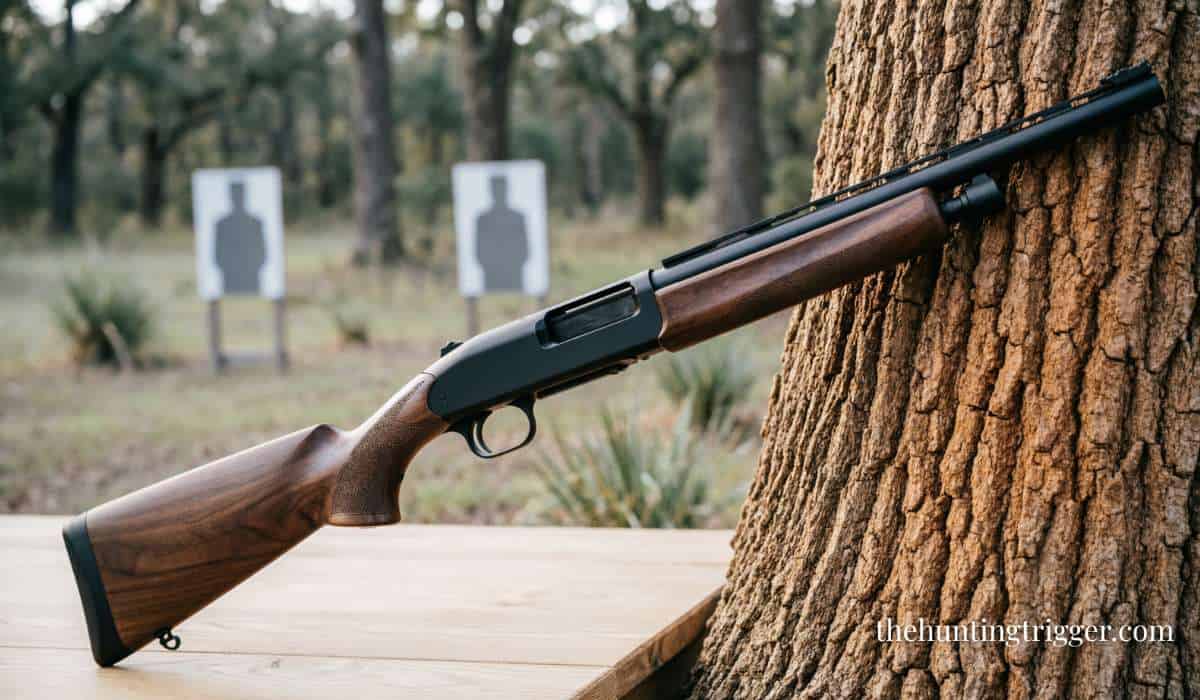
Many people new to shotguns wonder about the noise level of a. 410 shotgun. Maybe you want to protect your hearing, avoid disturbing neighbors, or teach a young shooter. Understanding how loud a. 410 shotgun is can help you make safe and smart decisions.
The. 410 is a small, lightweight shotgun. It’s popular for beginners, young shooters, and hunters who want less recoil. But even though it’s small, it can still be loud. In this article, you’ll learn how loud a. 410 shotgun really is, how it compares to other guns, and what you need to know to protect your ears.
Table of Contents
What Is A .410 Shotgun?
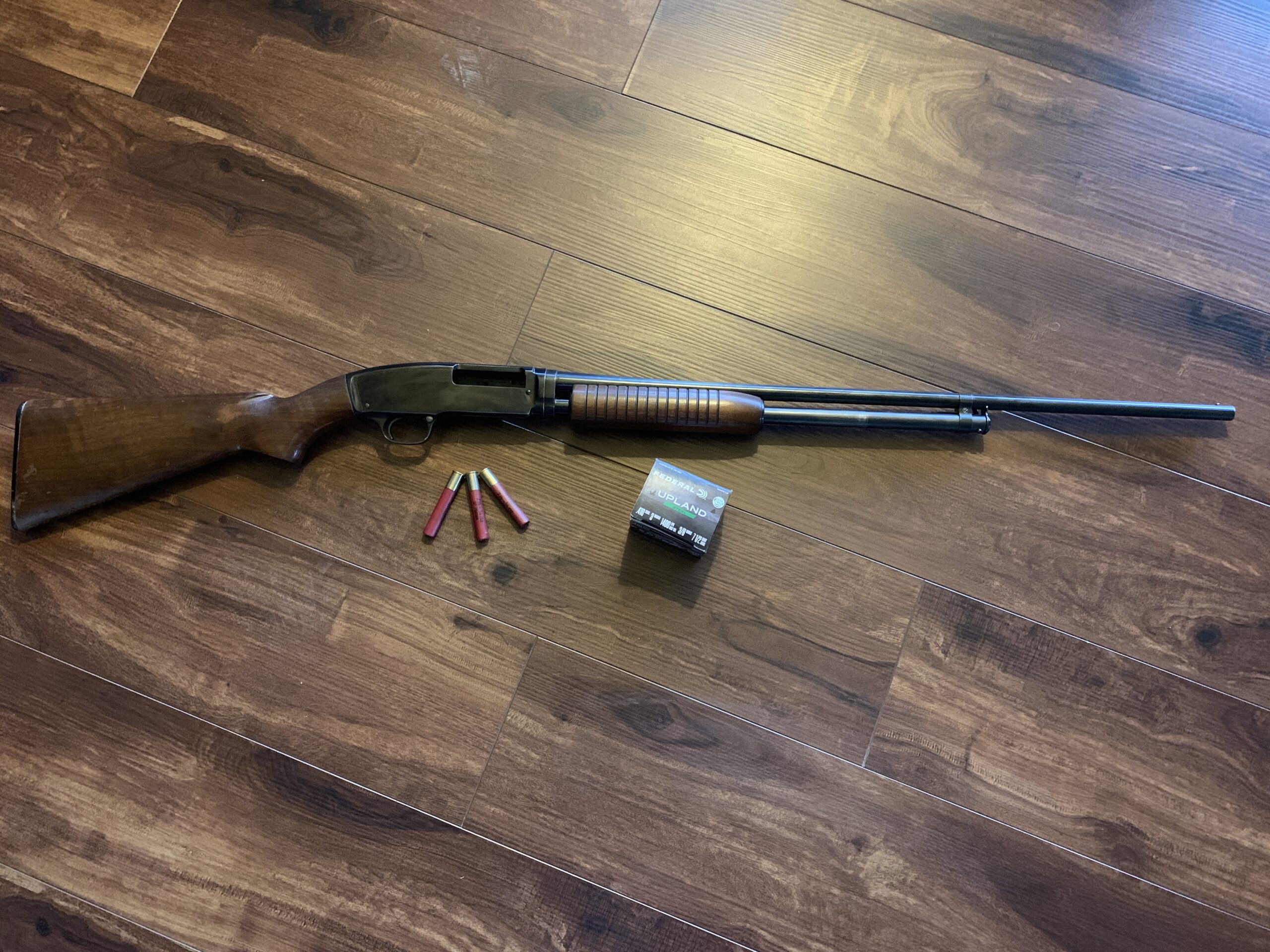
The. 410 is the smallest shotgun shell commonly used in the United States and many other countries. It’s often called a “. 410 bore” instead of a “. 410 gauge,” because the diameter is measured in inches (0. 410 inches).
For comparison, larger shotguns like 12-gauge or 20-gauge use the “gauge” system.
The. 410 is famous for its light recoil and smaller size. People use it for small game hunting, pest control, and target shooting. It’s also a common choice for teaching kids or new shooters. But don’t let its size fool you—when it fires, it still makes a sharp, loud sound.
How Is Shotgun Loudness Measured?
Shotgun loudness is measured in decibels (dB). Decibels are a way to measure sound intensity. The higher the number, the louder the noise. Decibel measurements are not a straight line—they use a logarithmic scale. This means each 10 dB increase is 10 times more powerful to your ears.
For reference:
- Normal conversation: 60 dB
- Lawnmower: 90 dB
- Thunderclap: 120 dB
- Jet engine at takeoff (close): 140 dB
Shotgun blasts are much louder than most everyday sounds. Even the “quiet”. 410 is far above safe levels for unprotected ears.
How much money can you save reloading shotgun shells

How Loud Is A .410 Shotgun In Decibels?
A .410 shotgun typically produces a sound measuring between 125 and 130 decibels at the shooter’s ear. The exact number depends on the gun, the shell, and your environment.
Here’s a closer look at what these numbers mean:
- 125 dB – About as loud as a thunderclap or an ambulance siren at close range.
- 130 dB – Comparable to a jet engine at 100 feet, or a jackhammer at close distance.
This is much louder than what’s considered safe for your hearing. Hearing damage can happen at sounds over 85 dB if you’re exposed for long periods. At 120–130 dB, even a single gunshot can cause permanent hearing loss.
Examples
- A single shot from a .410 in an open field will sound very loud, with a sharp “crack.”
- Firing the same gun inside a small building or in a forest can make it seem even louder, as sound bounces off walls or trees.
Factors That Affect How Loud The .410 Sounds
The loudness of a. 410 shotgun can change depending on several factors. It’s not just the size of the gun or shell.
1. Barrel Length
A longer barrel can make the gun seem a little quieter to the shooter. That’s because the explosion happens farther away from your ear. Shorter barrels usually sound sharper and louder.
2. Type Of Ammunition
Some. 410 shells are loaded with more powder, which makes a louder bang. Others are “low recoil” or “subsonic,” which may be a bit quieter—but not by much. Even the quietest. 410 shell is still very loud.
3. Shooting Environment
Shooting outdoors in an open area lets sound spread out, so it may seem less intense. Shooting in a small room or near hard surfaces (like walls or rocks) makes the sound echo and feel much louder.
4. Shooter Position
The sound at the shooter’s ear is often different from the sound a few feet away. If you’re standing beside someone firing, it can actually be louder for you than for the person holding the gun.
5. Muzzle Devices
Some shotguns have muzzle brakes or suppressors. These can reduce loudness, but most. 410 shotguns are not used with suppressors. In most places, suppressors are also regulated by law.
Non-obvious Insight:
Many new shooters think a. 410 is “quiet” because of its smaller size and lighter recoil. But the noise level is still high enough to cause permanent hearing damage—even if you don’t feel the recoil strongly.
How Does A .410 Compare To Other Shotguns?
It’s easy to think that because a. 410 is small, it’s much quieter than other shotguns. The truth is a bit more complicated.
Shotgun Loudness Comparison
Here’s a comparison of typical loudness at the shooter’s ear:
| Shotgun Type | Average Loudness (dB) |
|---|---|
| .410 bore | 125–130 |
| 20 gauge | 130–135 |
| 12 gauge | 135–140 |
As you can see, the. 410 is a little quieter than a 12 gauge, but not by much. The difference is only about 5–10 decibels. Remember, every 10 dB is 10 times more intense, but even 125 dB is extremely loud.
Non-obvious Insight:
Many people focus on recoil when choosing a shotgun for kids or beginners. But loudness is a separate issue. A. 410 has low recoil, but the noise is not low enough to skip hearing protection.
Is A .410 “safe” For Hearing?
No shotgun is truly safe for unprotected ears. Even one shot from a. 410 can cause hearing loss or ringing (tinnitus). The sound is sharp and sudden. Long-term shooters often lose their hearing if they skip ear protection.
What Does Hearing Damage Feel Like?
- Ringing or buzzing in the ears (tinnitus)
- Trouble hearing high-pitched sounds
- Needing people to repeat themselves
- Ear pain or discomfort after shooting
Once hearing is damaged, it doesn’t return. That’s why it’s critical to use hearing protection every time you shoot—even with a. 410.
How To Protect Your Ears When Shooting?
There are several ways to protect your ears while shooting a. 410 shotgun.
1. Earplugs
Simple foam earplugs are cheap and easy to use. They block out much of the dangerous noise. Make sure you insert them properly for the best protection.
2. Earmuffs
Shooting earmuffs cover your whole ear. Some models are electronic, so you can hear voices but block out gunfire. These are great for new shooters, kids, or anyone wanting more comfort.
3. Double Protection
For the best safety, use both earplugs and earmuffs at the same time. This is especially helpful for indoor ranges or when teaching children.
4. Teach Good Habits
Start using hearing protection from your first shot. Don’t get comfortable with “just one shot. ” Hearing loss is permanent and can happen in an instant.
Practical Tips For Shooting A .410 Quietly
While you can’t make a. 410 truly “quiet,” you can reduce the impact of the noise.
- Shoot outdoors, away from walls or hard surfaces.
- Use subsonic or low-recoil shells (still wear hearing protection).
- Stand behind the shooter if observing—never beside the muzzle.
- Use longer barrels if possible—they direct the sound farther forward.
- Warn others nearby before you fire.
If you live in a neighborhood or near other people, remember that even a. 410 can disturb others. Plan your shooting sessions for times and places where you won’t cause problems.

Frequently Asked Questions
Is A .410 Quieter Than A 22 Rifle?
A. 410 shotgun is usually louder than a. 22 rifle. A typical. 22 long rifle produces about 120 dB. The. 410 shotgun is 125–130 dB. Both are loud enough to need hearing protection.
Can You Shoot A .410 Without Ear Protection?
You should never shoot a .410 without ear protection. Even one shot can cause damage, especially in a confined space.
Is There A “quiet” Shotgun?
All shotguns are loud. Some ammunition (like subsonic shells) can be a bit quieter, but not enough to make shooting safe for your ears. Suppressors can help, but are rare and often require special paperwork. For more on hearing safety, the CDC has a helpful page on [hearing loss prevention](https://www.cdc.gov/niosh/topics/noise/reducenoiseexposure/regsguidance.html).
How Far Does The Sound Of A .410 Travel?
The sound of a. 410 can be heard from several hundred yards away, depending on wind, terrain, and obstacles. In flat open fields, it may carry farther. In forests, trees absorb some of the sound.
Is A .410 Good For Backyard Shooting?
A. 410 is less powerful than other shotguns, but it’s still very loud for backyards. Always check your local laws, warn neighbors, and use safe backstops. If noise is a concern, consider airguns or. 22 rifles with subsonic ammo—still, always use ear protection.
Final Thoughts
A. 410 shotgun is a great tool for beginners, hunters, and anyone wanting light recoil. But its noise level is still very high—typically 125–130 decibels. That’s loud enough to cause permanent hearing damage in a single shot.
Don’t be fooled by its small size or low recoil. Always use hearing protection, teach others to do the same, and be considerate about when and where you shoot. With good habits, you can enjoy shooting your. 410 safely for years to come.

Leave a Reply