
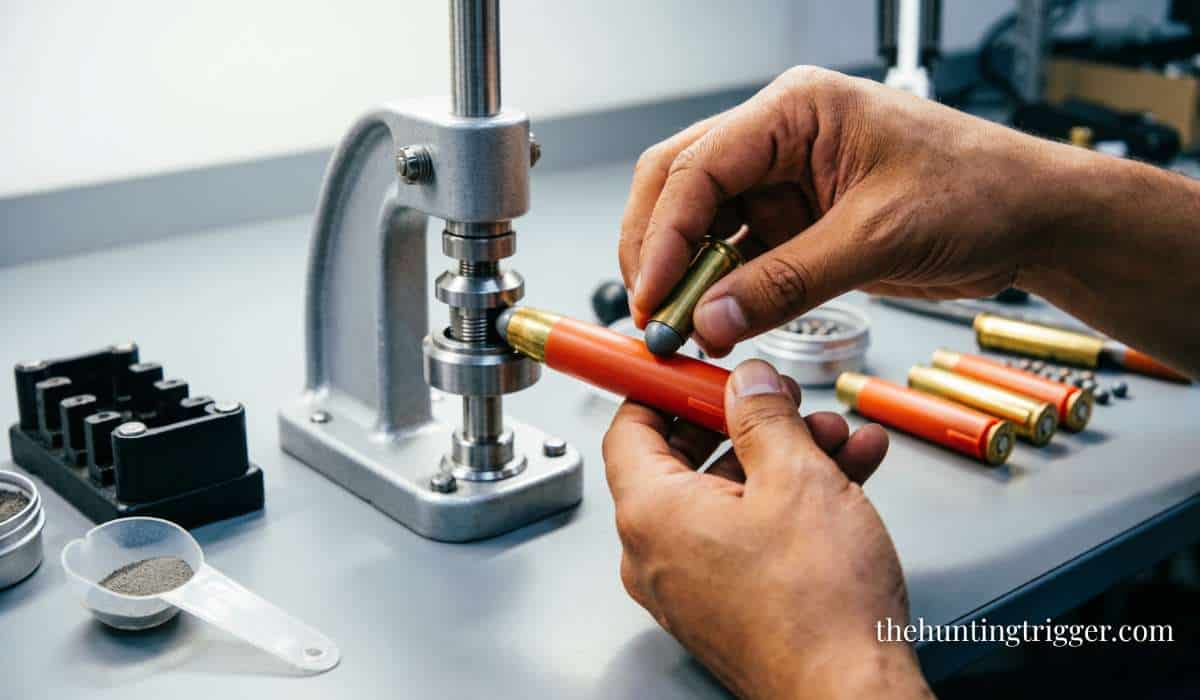
Shotgun shooting is a popular hobby for hunters, clay target shooters, and enthusiasts across the world. But as the price of factory-loaded shotgun shells continues to rise, many shooters wonder: is reloading your own shotgun shells really cost effective? This question doesn’t have a simple yes or no answer. The real answer depends on factors like how much you shoot, what equipment you already have, the type of shells you need, and even your interest in the process itself.
If you’re curious about reloading as a way to save money or get better performance, it’s important to look at the real numbers, the hidden costs, and the less obvious benefits. Let’s break down everything you need to know to decide if reloading shotgun shells is a smart move for you.
Table of Contents
Understanding Shotgun Shell Reloading
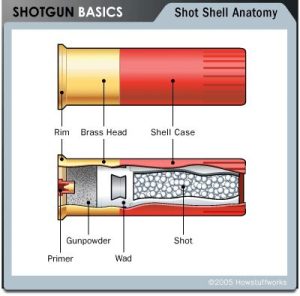
Reloading shotgun shells means reusing empty hulls (the plastic and metal casings) and adding new primers, gunpowder, wads, and shot. This process can be done at home with the right equipment. Reloading is popular among people who shoot a lot, especially in clay sports like trap, skeet, and sporting clays.
There are some clear reasons people reload:
- Save money on ammo over time
- Create custom loads for specific needs
- Improve consistency and accuracy
- Enjoy the hands-on process
But is it actually cheaper in the long run? That depends on several key factors.
The Real Costs Of Factory Vs. Reloaded Shells
To answer the cost effectiveness question, you need to compare the cost per shell of buying factory ammo with the cost per shell of reloading your own. Let’s look at the numbers for a standard 12-gauge target load, which is one of the most common types.
Average Factory Shell Costs
As of early 2024, a box of 25 basic 12-gauge target shells usually costs between $9 and $13 at most stores. That’s about $0.36 to $0.52 per shell.
Reloading Component Costs
Reloading a shell requires several components:
- Used hull: Often reused many times
- Primer: $0.04 to $0.06 each
- Powder: $0.04 to $0.08 per shell (depends on load)
- Wad: $0.03 to $0.05 each
- Shot: $0.14 to $0.18 per shell (for 1 1/8 oz lead)
Let’s add up a typical cost per shell:
- Primer: $0.05
- Powder: $0.06
- Wad: $0.04
- Shot: $0.16
- Hull: $0 (reused)
Total: $0.31 per shell
That means $7.75 per box of 25 shells. If you reuse hulls several times, the cost stays about the same. If you need to buy new hulls, add about $0.10 per shell.
Comparison Table: Factory Vs. Reloaded Costs
| Type | Cost per Shell | Cost per 25 Shells (Box) |
|---|---|---|
| Factory (Low) | $0.36 | $9.00 |
| Factory (High) | $0.52 | $13.00 |
| Reloaded (average) | $0.31 | $7.75 |
| Reloaded (with new hulls) | $0.41 | $10.25 |
This table shows that reloading is cheaper per shell, but the savings may not be huge for basic shells. However, savings become more significant with higher-volume shooting or specialty loads.
Start-up Costs: Equipment You Need
Savings per shell are only part of the story. To reload shotgun shells, you need special tools and equipment. Here’s a look at the main items and their typical costs:
- Single-stage reloading press: $75–$250 (good for beginners)
- Progressive reloading press: $400–$900 (faster, for high volume)
- Scale and measuring tools: $30–$100
- Reloading manual: $25–$40
- Misc. Tools (shell checker, hull trimmer, etc. ): $30–$75
If you buy a simple single-stage press and basic tools, your initial investment is about $200–$300. If you go for a progressive press, it can be over $800.
Typical Initial Investment Table
| Equipment Type | Estimated Cost |
|---|---|
| Single-stage starter kit | $200 |
| Progressive press setup | $800 |
| Basic extras (scale, manual) | $75 |
Non-obvious tip: Some shooters buy used reloading presses to save money. Many presses last decades if cared for.
How Much Do You Need To Shoot To Break Even?
The initial equipment cost means you won’t save money right away. You need to shoot enough shells over time to cover your start-up costs and begin seeing real savings.
Example Calculation
Suppose your reloading setup costs $250. You save about $0.10 per shell compared to the cheapest factory ammo.
- $250 ÷ $0.10 = 2,500 shells
That means you need to reload and shoot about 2,500 shells before you start saving money. If you shoot 50 shells per week, it will take about 1 year to break even.
Non-obvious insight: Many casual hunters never shoot enough shells to make reloading cost effective. But for target shooters or competitors who shoot thousands of shells each year, the savings can add up quickly.
Specialty Loads: Where Reloading Really Shines
Factory target shells are usually the cheapest. But if you need specialty loads (like non-toxic shot, heavier loads, or rare gauges), factory ammo gets much more expensive. Reloading can save you even more in these cases.
Examples
- Steel shot: Factory steel shells can be $18–$30 per box. Reloading can cut this almost in half.
- Buckshot or slugs: Factory loads are often $1–$2 per shell. Reloading can bring this down to $0.40–$0.60 per shell.
- Obscure gauges (16, 28, .410): Factory shells are pricey and sometimes hard to find. Reloading makes them affordable and available.
Tip: For unique loads, reloading is often the only way to get exactly what you want.
Other Factors To Consider
Cost is important, but there are other points that affect whether reloading makes sense for you.
Time Commitment
Reloading takes time. A beginner with a single-stage press might reload 100 shells in 2 hours. A progressive press can do the same in 30 minutes or less. If your free time is limited, this can be a downside.
Quality And Consistency
Many reloaders find their homemade shells are more consistent than factory ammo, especially after gaining experience. This can improve accuracy and help with competition performance.
Safety
Reloading is safe if you follow tested recipes and use the right equipment. Always double-check powder charges and never experiment with unknown combinations. Mistakes can be dangerous.
Storage Space
Reloading equipment and components take up space in your home. You’ll need a safe, dry area for your press, powder, primers, wads, and shot.
Availability Of Components
Sometimes, components like primers or certain powders can be hard to find, especially during shortages. This can make reloading difficult or more expensive. Planning ahead helps.
Common Beginner Mistakes
New reloaders often make some typical errors that can cost money or create safety problems:
- Using the wrong hulls: Not all hulls are reloadable. Some brands have one-piece construction that doesn’t work well.
- Incorrect powder charge: Guessing or using untested loads can be unsafe.
- Buying too much, too soon: It’s easy to buy lots of equipment you don’t need. Start simple.
- Poor organization: Mixing up components or not labeling loads can lead to confusion and wasted materials.
- Skipping the manual: Not reading or following a reliable reloading manual is a serious mistake. Always use published data.
Hidden Benefits Of Reloading
Even if you don’t save a huge amount of money, reloading has other advantages:
- Custom loads: Tailor your shells for your gun, shooting style, or target.
- Learning experience: Reloading teaches you about ballistics and ammunition design.
- Satisfaction: There’s pride in hitting a clay or game bird with a shell you made yourself.
- Community: Many shooters enjoy sharing tips and trading components with fellow reloaders.

Is Reloading Shotgun Shells Cost Effective? The Bottom Line
Reloading shotgun shells can be cost effective for the right shooter. If you shoot many shells each year, want custom loads, or shoot rare gauges, reloading will save you money in the long run. If you only hunt a few times a season, the savings may not be worth the investment in time and equipment.
The key is to run the numbers for your own situation. Think about how many shells you shoot, what types you need, and how much you enjoy hands-on projects. For many, reloading becomes more than a way to save money—it’s a rewarding part of the shooting hobby.
Frequently Asked Questions
How Many Times Can I Reload A Shotgun Hull?
Most quality hulls can be reloaded 5–10 times before they wear out, but this depends on the brand and how gentle you are during ejection and reloading. Some hulls crack or lose their crimp after fewer uses, while premium hulls (like Remington STS or Winchester AA) often last longer.
Is Reloading Worth It For Hunting Shells?
For hunters who shoot only a box or two each year, reloading often isn’t cost effective. However, for making specialty loads (like non-toxic shot or buckshot), it can save money and give you more flexibility in shot size and power.
What Is The Best Press For Beginners?
A single-stage press is usually best for new reloaders. Brands like MEC and Lee offer reliable, affordable models. Start with simple equipment before upgrading to a progressive press if you shoot high volumes.
Can I Save More Money By Buying Reloading Components In Bulk?
Yes, buying in bulk reduces the per-shell cost for powder, wads, and shot. However, you need space to store large quantities, and you’ll have a higher up-front cost. Bulk buying is most useful for high-volume shooters.
Are There Legal Restrictions On Reloading Shotgun Shells?
In most places, reloading for personal use is legal, but you cannot sell reloaded shells without special licenses. Always check your local laws, as some countries or regions have special rules about storing gunpowder and primers.

Final Word
Reloading shotgun shells isn’t for everyone, but for those who shoot often and enjoy the process, it offers savings, satisfaction, and a deeper connection to the sport.

Leave a Reply