
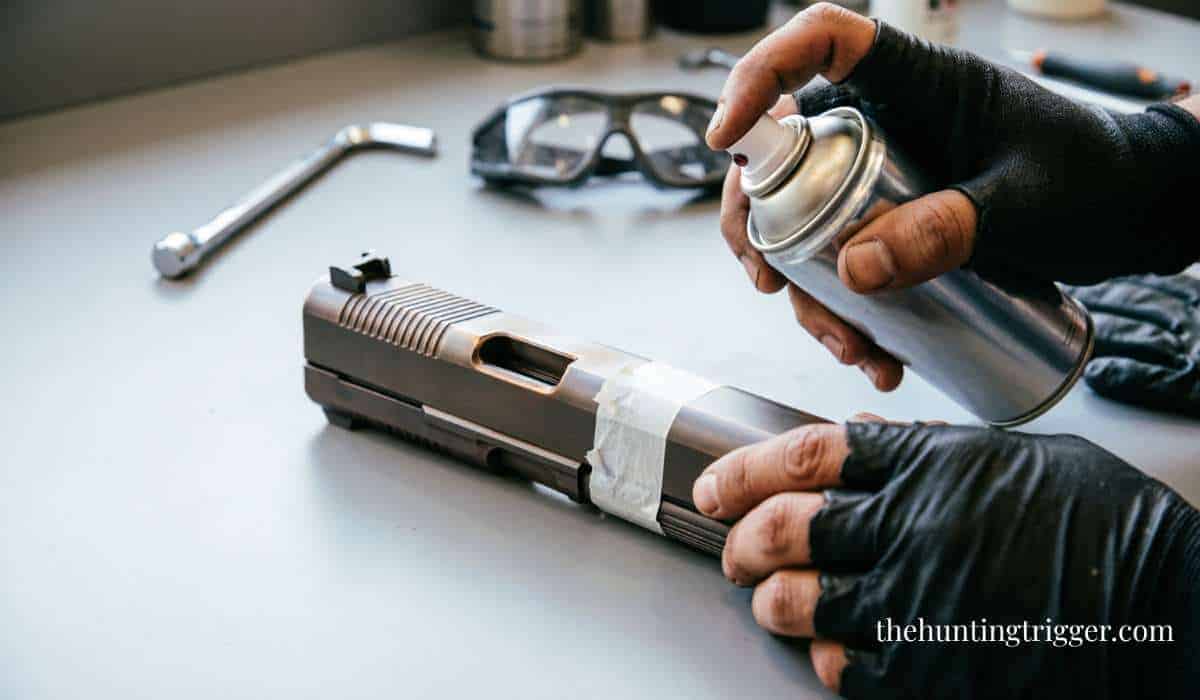
Painting a handgun slide is a practical way to refresh its look, protect the metal, or make your firearm stand out. Many gun owners want a custom appearance or need a durable finish that handles rough use. This guide will show you how to paint a handgun slide at home with confidence, from preparation to finishing touches.
Whether you want a tactical black or a bold color, following careful steps will ensure a professional result.
Table of Contents
Why Paint A Handgun Slide?
Painting your slide has several advantages. First, corrosion resistance increases, especially if you carry your handgun often or live in a humid area. A quality paint job also hides scratches and small dings, extending the life of your slide. Lastly, a custom paint job reflects your personality and helps you identify your firearm easily.
Understanding The Basics: Types Of Paint
Not all paints are suitable for gun slides. You need a finish that is heat-resistant, durable, and bonds well to metal. Here are the main options:
- Spray Paint (High-Temp or Enamel): Easy to use, available everywhere, but usually less durable.
- Cerakote: A specialized ceramic-based finish, extremely tough, but requires equipment and practice.
- Duracoat: Designed for firearms, more flexible than Cerakote, can be applied at home.
- Gun-Kote: Another firearm-specific finish, heat-cured for a strong bond.
For most DIY users, high-quality spray paints or Duracoat offer the best balance between ease of use and durability.

Tools And Materials You Need
Before starting, gather everything you’ll need. Missing a step or using the wrong material can ruin your work.
- Handgun slide (fully stripped)
- Degreaser (like acetone or rubbing alcohol)
- Fine sandpaper (400-600 grit)
- Painter’s tape or masking tape
- Nitrile gloves
- Lint-free cloths
- Compressed air (optional)
- Toothpicks or small brushes
- Chosen paint (spray, Cerakote, etc.)
- Primer (if using standard spray paint)
- Clear coat (for extra protection)
- Drop cloth or cardboard (for workspace)
- Safety glasses and mask
Step-by-step: How To Paint A Handgun Slide
1. Unload And Disassemble
Safety first: Double-check your handgun is unloaded. Remove the magazine and check the chamber. Completely disassemble the slide from the frame. Remove all parts inside the slide (firing pin, extractor, sights if possible). Painting with parts inside can cause malfunction or damage.
2. Clean And Degrease
Paint will not stick to oil or dirt. Use a degreaser or rubbing alcohol to remove all residues. Scrub with a toothbrush if needed. Dry the slide with a lint-free cloth. Repeat until the surface feels dry and clean. Even a small amount of oil can cause bubbling or peeling later.
3. Sand The Surface
Use 400-600 grit sandpaper to scuff the slide gently. This gives the paint something to grip. Focus on even sanding, not removing material. Pay special attention to edges and corners. Wipe away dust with a clean cloth or compressed air.
4. Mask Off Areas
Cover any part you do not want painted. Use painter’s tape for the rails, inside the slide, serial numbers, or any markings you want visible. Toothpicks help press tape into tight spots. Take your time—precision here saves cleanup later.
5. Apply Primer (if Needed)
If you’re using standard spray paint, a primer is essential. Firearm-specific paints usually don’t need primer. Hold the slide about 8-12 inches from the spray can. Use light, even passes. Avoid drips by not spraying too much at once. Let the primer dry as directed (usually 15-30 minutes).
6. Paint The Slide
Shake your paint can well. Use smooth, even strokes. Start spraying off the slide, move across, then stop spraying after passing the end. This prevents blotchy spots. Apply 2-3 thin coats, letting each dry per the instructions (usually 10-20 minutes between coats).
Thinner coats are better than thick ones; heavy paint can run and pool.
7. Add A Clear Coat (optional)
A clear coat adds extra scratch resistance and shine. Use the same spray technique as before. Some clear coats can change the color or sheen, so test on a small part first if possible.
8. Cure Or Bake (if Required)
Some coatings like Cerakote or Gun-Kote need baking to harden. Follow the product’s directions—usually around 250°F (120°C) for 1-2 hours. Standard spray paints air-dry, but take longer to fully cure (up to a week).
9. Remove Masking And Inspect
Carefully peel off all tape after the last coat feels dry to the touch. Check for paint bleed or missed spots. Touch up small areas with a fine brush. Let the slide cure fully before reassembly—rushing can ruin your hard work.
10. Reassemble And Function Check
Once the paint is fully cured, reinstall all slide components. Lubricate as needed. Cycle the slide by hand and check for smooth operation. Any roughness or sticking? Inspect masked areas to make sure paint did not get into moving parts.

Comparing Paint Types For Durability
To help you choose the best paint, see how common options compare for handgun slides:
| Paint Type | Durability | Ease of Use | Cost | Heat Resistance |
|---|---|---|---|---|
| High-Temp Spray Paint | Moderate | Easy | Low | Up to 500°F |
| Duracoat | High | Medium | Medium | Up to 300°F |
| Cerakote | Very High | Difficult | High | Up to 900°F |
| Gun-Kote | High | Medium | Medium | Up to 500°F |
Common Mistakes And How To Avoid Them
Painting a handgun slide takes patience. Here are mistakes people often make:
- Skipping disassembly: Paint inside the slide can block parts and affect reliability.
- Poor cleaning: Even invisible oil will cause poor paint adhesion.
- Thick coats: Rushing with heavy sprays leads to drips and uneven finish.
- Masking errors: Not taping off rails or internals can cause problems during reassembly.
- Not allowing enough curing time: Handling too soon causes fingerprints, smudges, or chips.
A less obvious mistake is not considering how gun solvents or cleaners might react with your new finish. Some aggressive chemicals can strip or damage fresh paint. Always test cleaners on a small painted area before regular use.
Choosing Colors And Patterns
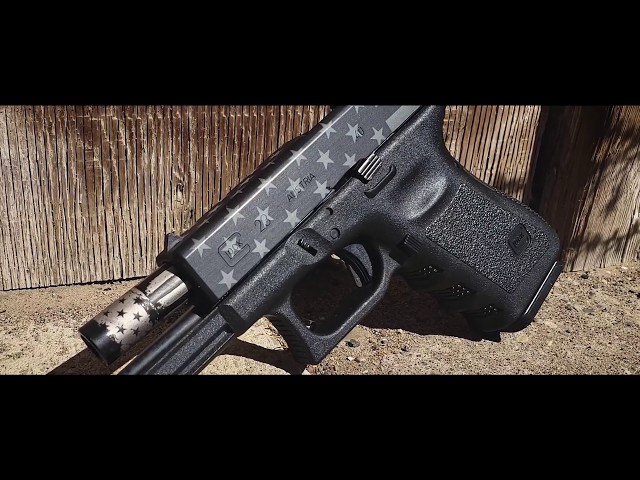
A painted slide does not have to be plain black. Many shooters pick flat earth tones, olive drab, or even bright colors for identification or style. If you want patterns like camouflage or stripes:
- Use stencils or painter’s tape to block areas before spraying each color.
- Allow each layer to dry fully before adding the next.
- For a “battle worn” look, gently sand edges after painting.
Professional-looking patterns take practice. Start with a single color if you are new to painting slides.
How Long Will It Last? Durability Insights
No paint job lasts forever, but with the right preparation and paint, your slide can look good for years. Cerakote and Gun-Kote, for example, are used by military and law enforcement because they last even in harsh conditions. Standard spray paints may start to show wear after heavy use or holster draw, but touch-ups are easy.
The two main factors that affect durability are:
- Surface preparation (cleaning, sanding, priming)
- Paint type (choose the hardest-wearing you can work with)
If you want a finish that handles sweat, weather, and daily carry, invest time in prep and use a firearm-specific product.
Maintaining Your Painted Slide
Cleaning and maintenance are simple, but a few precautions help your paint last:
- Use non-abrasive cloths to clean the slide.
- Avoid harsh chemicals or metal brushes.
- Wipe off sweat and fingerprints after use.
- Store in a dry place.
If you see chips or wear, sand the area lightly and touch up with the original paint. Keep a small amount of paint for future fixes.
Safety And Legal Considerations
Always check your local laws before painting a firearm. Some countries or states have regulations about changing the appearance of guns. Never paint your gun to look like a toy or use colors that could confuse law enforcement. If you want to sell the firearm in the future, a custom paint job may affect its value or legality.
When To Call A Professional
If you want a complex pattern, a baked-on finish, or the most durable result, consider using a professional finisher. They have the tools for bead blasting, baking, and even hydro-dipping. Also, if you are not comfortable disassembling your handgun, a gunsmith can help avoid mistakes.
Quick Comparison: Diy Vs. Professional Paint Jobs
Here’s a side-by-side look at doing it yourself versus hiring a pro:
| Aspect | DIY | Professional |
|---|---|---|
| Cost | Low to Medium | High |
| Durability | Good (if done well) | Excellent |
| Customization | Basic to Moderate | Advanced |
| Skill Needed | Basic to Moderate | None (for you) |
| Time | Several hours to days | Usually 1-2 weeks |
Non-obvious Tips For A Great Finish
- Temperature matters: Paint and slide should be at room temperature (around 70°F/21°C) for best results. Cold metal causes paint to bead or cure unevenly.
- Humidity affects drying: High humidity can cause the paint to stay tacky or develop a cloudy finish. Paint in a dry, ventilated area.
- Use a turntable or lazy Susan: This makes spraying all sides evenly much easier and prevents touching the slide while wet.
- Save your tape shapes: If you plan to paint more slides in the future, keep your custom-cut tape pieces as templates.
Frequently Asked Questions
How Long Should I Wait Before Reassembling My Handgun After Painting The Slide?
Wait at least 24-48 hours for most spray paints to dry to the touch, but full curing can take up to a week. For Cerakote or Gun-Kote, follow the manufacturer’s curing instructions. Rushing can ruin your finish.
Can I Paint My Handgun Slide Without Disassembling It?
It is not recommended. Paint can get into the internals, causing function problems or making cleaning difficult. Always remove the slide, and if possible, take out all internal parts before painting.
What Is The Best Paint For A Handgun Slide?
Cerakote is considered the most durable and heat-resistant option. For beginners, high-quality spray paint or Duracoat provides good results with less equipment and skill required.
Will Cleaning Solvents Damage My Painted Slide?
Some strong gun solvents can harm fresh paint. Always test a small area first, and use cleaners made for painted or coated firearms. Avoid using steel brushes or abrasive pads.
Is It Legal To Paint My Handgun Slide Any Color I Want?
Laws vary by location. In most places, it is legal, but never paint a firearm to look like a toy or use bright, non-traditional colors that could cause confusion. Check your local and national regulations before starting.
Final Word
Painting a handgun slide is a rewarding project if done carefully. With the right materials and attention to detail, you can create a finish that not only looks good but also protects your firearm for years to come. Take your time, follow each step, and your slide will stand out at the range and stay reliable in use.

Leave a Reply