
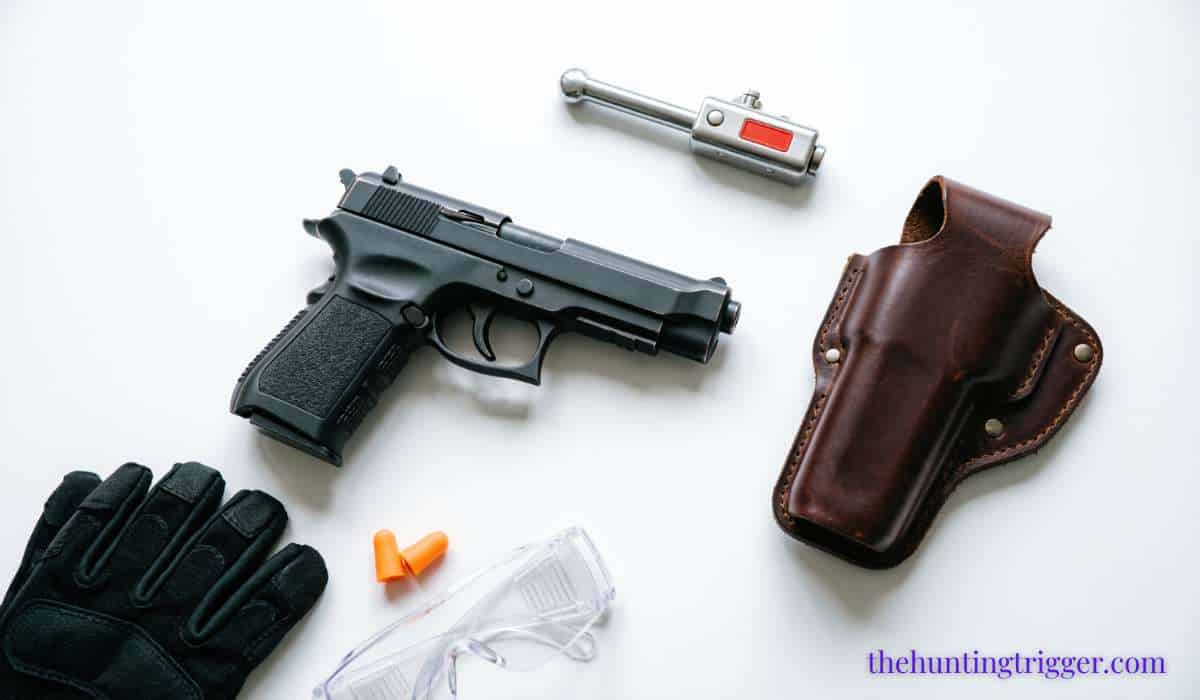
Carrying a handgun legally is a big responsibility. If you ever interact with law enforcement while armed, how you inform the officer can affect your safety and the outcome of the situation. Many people feel nervous about this, especially if it’s their first time.
This article will guide you through the best way to tell an officer you have a handgun, why it matters, and what steps to follow for a safe, respectful encounter. We’ll also cover legal obligations, practical tips, and real-world examples, so you feel confident and prepared.
Table of Contents
Why It’s Important To Inform An Officer
When an officer approaches your vehicle or stops you, they are trained to be alert for weapons. If you are carrying a handgun, you must let them know—both for legal reasons and for everyone’s safety. Surprising an officer with the fact that you have a gun, especially if they spot it unexpectedly, can lead to confusion or even danger.
In many states, it’s the law to disclose your handgun if you are carrying one during an encounter with police. Failing to do so could bring legal consequences, including fines or the loss of your permit. But even in places where it’s not required, being upfront helps build trust and keeps the situation calm.
Know The Law In Your State
Laws about informing officers vary widely. In some states, you must always tell an officer if you are carrying a firearm. In others, you only need to inform them if asked. Some states require you to have your license or permit with you at all times.
Here’s a quick comparison of some state requirements:
| State | Must Inform Officer? | When to Inform |
|---|---|---|
| Texas | Yes | Only if asked |
| Ohio | Yes | Immediately upon contact |
| Florida | No | If officer asks |
| Michigan | Yes | Immediately upon contact |
| California | No | If officer asks |
Tip: Always check your own state’s laws before carrying a handgun. You can find up-to-date information on your state government’s website or through trusted resources like the concealed carry guide.
What To Do Before An Officer Approaches?
Being prepared can make the encounter smoother. Before you even see the officer, take these steps:
- Stay calm and collected. Take a deep breath. Most officers appreciate calm, respectful communication.
- Keep your hands visible. Place them on the steering wheel if you’re in a car.
- Do not reach for your handgun or permit. Wait until the officer gives instructions.
- Secure your firearm. It should be holstered and not loose in your car or on your person.
Many beginners forget to keep their hands visible, which can make officers nervous. Also, never attempt to “help” by picking up your gun or showing it—the officer will see this as a threat.
How To Inform The Officer: Step-by-step
When the officer arrives, follow these steps for a respectful and safe interaction:
Step 1: Greet And Stay Calm
When the officer comes to your window, greet them politely. For example: “Good evening, officer.”
Step 2: Inform Immediately
Use clear, simple language to let the officer know you are legally carrying. For example:
- “Officer, I want to let you know I have a handgun with me. I have a permit, and it’s in a holster on my right hip.”
- “Just to inform you, I am legally carrying a concealed firearm. How would you like to proceed?”
Key points:
- Don’t use slang or technical terms that might confuse.
- Make it clear you are informing, not making a threat.
Step 3: Tell Them Where The Gun Is
State the location of your handgun and your permit. For example:
“My handgun is in my glove compartment. My license is in my wallet. ”
Step 4: Wait For Instructions
Do not move or reach for anything until the officer gives you clear instructions. If you need to reach for your wallet or permit, say so first:
- “My wallet is in my back pocket. May I get it?”
- “My registration is in the glove box, near my firearm. How do you want me to proceed?”
Step 5: Follow All Directions
Move slowly and do exactly as the officer asks. If you are unsure, ask for clarification.
Common Mistakes To Avoid
Many people, especially new permit holders, make mistakes that can make officers nervous or escalate the situation. Here are some to watch out for:
- Not informing early. Waiting too long to tell the officer can raise suspicion.
- Using the word “gun” without context. Always say you are “legally carrying” or have a “permit.”
- Reaching for the gun or permit without permission. Sudden movements are dangerous.
- Arguing with the officer. Even if you believe you are right, stay polite and calm.
- Offering your handgun. Never try to hand the gun to the officer. Wait for instructions.
Many beginners forget to mention the location of their gun, which can make officers anxious if they spot it later.
Practical Tips For Different Situations
Traffic Stop
If you’re pulled over, keep your hands on the wheel. Don’t dig in your glove box or under your seat as the officer approaches. Wait for the officer to arrive, then inform them as described above.
On Foot
If you’re stopped while walking, stand still, keep your hands visible, and inform the officer right away.
With Passengers
If you have passengers, ask them to stay quiet and keep their hands visible too. Let the officer know if anyone else is carrying a weapon.
At Night
Turn on your interior lights during a traffic stop so the officer can see you clearly. This small action can lower tension.
If You’re Nervous
It’s normal to feel nervous, but try to speak clearly and respectfully. Most officers understand and will appreciate your honesty.
What Officers Expect From You?
Officers are trained to look for cues that you are honest and cooperative. They want to know:
- You are following the law.
- You are not a threat.
- You will follow their instructions.
If you do these things, most encounters will be routine and respectful.
What To Do If Things Go Wrong?
Sometimes, even if you do everything right, the officer may seem upset or nervous. If this happens:
- Stay calm. Don’t argue or raise your voice.
- Repeat your willingness to cooperate.
- Comply with all instructions.
- If you feel you were treated unfairly, record the details and file a complaint later. Do not argue on the scene.
Real-world Examples
Here are two scenarios that show why good communication matters:
- Scenario 1: John is stopped for a broken tail light. He informs the officer immediately, keeps his hands visible, and follows instructions. The officer thanks him for being honest, checks his documents, and lets him go with a warning.
- Scenario 2: Lisa waits until the officer asks for her license before mentioning her handgun. The officer sees her reaching into her purse and becomes alarmed. The situation is tense until Lisa explains, but it could have been avoided with earlier disclosure.
Comparing “must Inform” Vs. “no Duty To Inform” States
Some states require you to inform officers about your handgun, while others do not. Here’s how they compare:
| Type of State | What You Must Do | Possible Consequences |
|---|---|---|
| “Must Inform” | Tell officer immediately | Fines, permit loss if not disclosed |
| “No Duty to Inform” | Only tell if asked | Rare issues, but best to be honest |
Even in “no duty to inform” states, telling the officer can prevent misunderstandings.
How To Respond To Officer Questions?
If the officer asks questions about your handgun, answer simply and honestly. For example:
- Where is the firearm? “It’s in a holster on my right hip.”
- Is it loaded? “Yes, it is loaded, as allowed by law.”
- Do you have a permit? “Yes, my permit is in my wallet. May I reach for it?”
Avoid giving long explanations or talking about gun laws—keep it simple.
Two Insights Most People Miss
- Your tone matters more than your words. Officers pay attention to how you speak, not just what you say. Calm, respectful speech puts them at ease.
- Practice your response. Rehearse what you will say if you’re ever stopped. This helps you stay calm and clear, even if you’re nervous.
Final Checklist For Informing An Officer
- Know your state’s laws before you carry.
- Prepare your permit and documents, but do not reach for them until told.
- Keep your hands visible at all times.
- Inform the officer right away, calmly and clearly.
- State the location of your handgun and permit.
- Wait for instructions before moving.
- Follow all directions exactly.
Frequently Asked Questions
What Should I Say To The Officer If I’m Carrying A Handgun?
Say something like, “Officer, I want to let you know I am legally carrying a handgun. My permit is in my wallet, and the firearm is in a holster on my hip. ” Be clear, polite, and avoid sudden movements.
Is It Illegal Not To Inform An Officer I Am Carrying A Handgun?
It depends on your state. Some states require you to inform an officer immediately, while others only require it if the officer asks. Check your state’s laws before you carry.
What If The Officer Asks To Take My Handgun During The Stop?
Comply with the request. Let the officer take control if they ask. Do not reach for the handgun yourself. Always follow the officer’s instructions for safety.
Should I Give My Permit And Id At The Same Time?
Wait for the officer’s instructions. Tell them where your ID and permit are located and ask if you can reach for them. This prevents misunderstandings.
What If I Forget To Inform The Officer?
If you forget, inform the officer as soon as you remember. Apologize and explain it was an honest mistake. Most officers will appreciate your honesty, but forgetting in a “must inform” state can have legal consequences.
Finally
Being a responsible gun owner means knowing how to interact with law enforcement safely and respectfully. By preparing ahead, knowing your state’s laws, and following these steps, you can handle police encounters with confidence and calm. Remember, clear communication and respect are the most important tools you have.
Stay safe and informed every time you carry.

Leave a Reply