
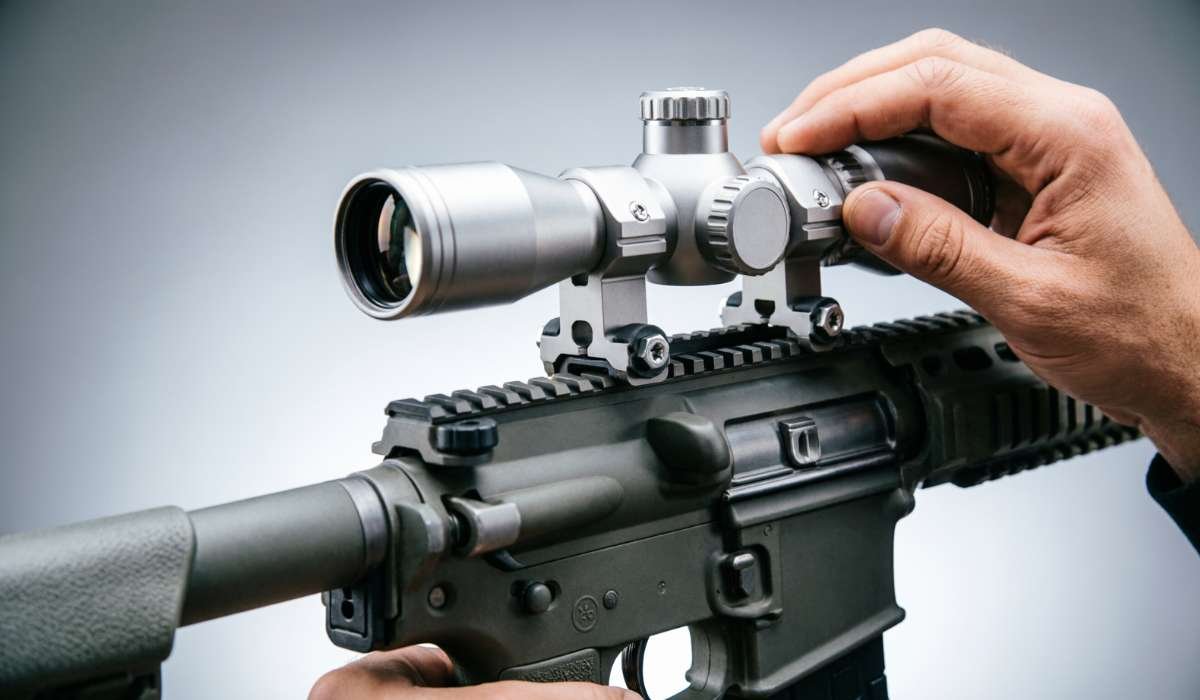
Mounting a scope without rails can seem complicated, but many shooters face this situation. Maybe you have a classic rifle, an airgun, or an older firearm with no factory rails. While modern rifles usually come with Picatinny or Weaver rails, some guns only have drilled holes, dovetails, or even a completely smooth receiver. Learning how to mount a scope without rails expands your options and improves your shooting experience. This guide will walk you through everything you need to know—from preparation to installation and troubleshooting.
Table of Contents
Understanding Non-rail Rifle Setups
Many rifles were made before rail systems became popular. These guns can include bolt-action hunting rifles, older lever actions, or air rifles. Instead of a rail, they may have:
- Drilled and tapped holes
- Dovetail grooves
- Smooth receivers
Each type requires a different approach. For example, a dovetail mount works well on airguns, but a drilled receiver needs proper screw placement.
Why Mount Scopes Without Rails?
There are several reasons shooters might need to mount a scope without rails:
- Preserving original design: Adding rails can change the look and value of vintage firearms.
- Cost: Buying new rails and compatible mounts can be expensive.
- Personal preference: Some shooters prefer minimalist setups.
If you understand your rifle’s configuration, you can make the best choice for mounting your scope securely.
Choosing The Right Mounting System
Before you start, you must select the correct mounting system. Here are the main options:
- Drilled and tapped mounts
- Dovetail rings
- Clamp-on mounts
- Custom bases
Drilled And Tapped Mounts
Many older rifles come with pre-drilled holes on the receiver. These holes are usually threaded and spaced for scope bases. If your rifle has drilled holes, you can buy scope bases designed for your gun model.
- Tip: Always check the hole spacing and screw size. Using the wrong base can damage the receiver.
Dovetail Rings
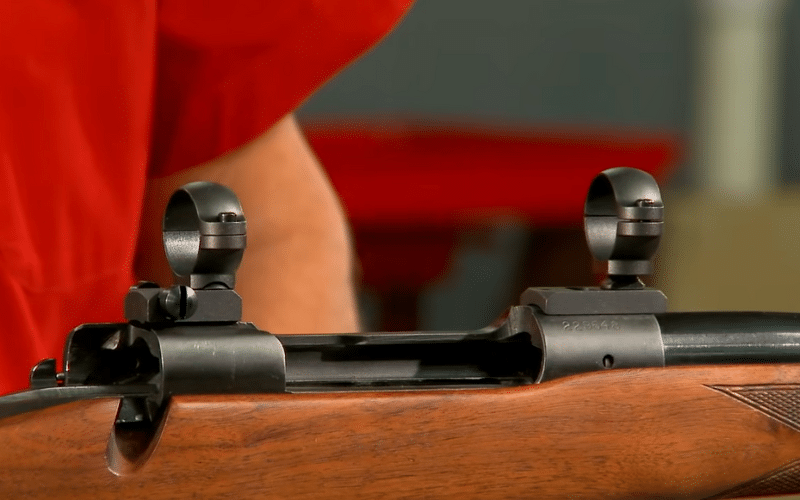
Some rifles, especially airguns and .22s, feature dovetail grooves—usually 11mm or 3/8 inch. You can use dovetail rings that slide onto the grooves and clamp down.
- Tip: Measure the dovetail width carefully. Not all rings fit all grooves.
Clamp-on Mounts
If your rifle has no grooves or holes, you might use clamp-on mounts. These grip the barrel or receiver using strong tension. They’re popular for temporary setups or guns you don’t want to modify.
- Tip: Clamp-on mounts can shift under recoil. Use them for light-recoiling rifles or airguns.
Custom Bases
For unique rifles, you can have custom bases made. Gunsmiths can drill and tap the receiver, or fabricate a base to fit your scope rings.
- Tip: Professional installation is best for custom bases. Improper drilling can ruin your rifle.
Tools And Materials You Will Need
Mounting a scope without rails requires special tools. Here’s what you’ll need:
- Scope rings (dovetail, clamp-on, or base-specific)
- Mounting base (if using drilled/tapped holes)
- Screwdriver set (preferably with torque control)
- Degreaser (to clean mounting surfaces)
- Thread-locker (medium strength)
- Bubble level
- Rags
- Optional: Gunsmith drill and tap kit (for custom jobs)
Having the right tools makes the job easier and avoids mistakes.
Preparing Your Rifle
Proper preparation is essential. Here’s how to get ready:
- Unload the rifle completely. Safety first.
- Clean all surfaces with degreaser. Dirt or oil can cause mounts to slip.
- Inspect for damage. Look for cracks, worn threads, or loose parts.
- Organize tools and hardware. Lay out screws, rings, and bases in order.
Many beginners forget to clean the mounting area, which can lead to scope movement later. Take your time and make sure everything is spotless.
Step-by-step Mounting Process
Let’s break down the scope mounting process for each setup.
1. Mounting With Drilled And Tapped Bases
If your rifle has drilled holes, follow these steps:
- Position the base: Line up the base with the receiver holes.
- Insert screws: Start each screw by hand to avoid cross-threading.
- Tighten screws: Use a torque screwdriver. Apply medium thread-locker for security.
- Install rings: Attach scope rings to the base. Leave the top screws loose.
- Place the scope: Set the scope in the rings. Adjust for eye relief and reticle alignment.
- Level the scope: Use a bubble level to ensure the reticle is straight.
- Tighten ring screws: Secure the scope evenly, alternating sides.
Common mistake: Overtightening screws can strip threads. Use manufacturer torque specs if possible.
2. Using Dovetail Rings
For dovetail grooves:
- Slide rings onto the dovetail: Position them where you want the scope.
- Clamp rings: Tighten the dovetail clamps so the rings don’t move.
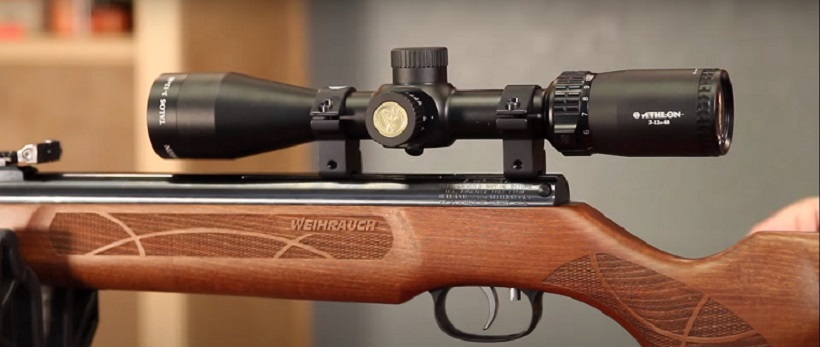
- Set the scope: Place the scope in the rings and check eye relief.
- Level the scope: Make sure the reticle is upright.
- Tighten ring screws: Secure the scope gently but firmly.
Non-obvious tip: Some dovetail rings have a recoil stop pin. Engage it if your rifle has a matching hole.
3. Installing Clamp-on Mounts
For rifles without grooves or holes:
- Position the mount: Place the clamp-on mount on the barrel or receiver.
- Tighten clamps: Make sure the mount is stable and centered.
- Attach rings: Install scope rings on the mount.
- Set and level the scope: Adjust for eye relief and reticle alignment.
- Secure ring screws: Tighten evenly.
Insight: Clamp-on mounts are usually temporary. Don’t use on high-recoil rifles.
4. Custom Mounting Jobs
If you need to drill and tap holes:
- Mark hole locations: Use the scope base as a template.
- Drill carefully: Use a proper gunsmith drill and tap kit.
- Tap threads: Ensure threads match the base screws.
- Install base and rings: Follow the drilled and tapped method above.
Important: If you’re not experienced, hire a gunsmith. Drilling mistakes can be expensive.
Aligning And Leveling Your Scope
Many shooters ignore scope leveling, but it’s critical. A canted scope causes aiming errors.
- Use a bubble level on the receiver and scope.
- Check alignment after tightening each screw.
- Look through the scope to verify the reticle is upright.
Non-obvious insight: Even a 1-degree tilt can shift your point of impact at long range.

Securing And Testing Your Setup
After mounting, test your setup:
- Check for movement: Try to twist the scope by hand. It should not shift.
- Inspect screws: Re-tighten if needed. Avoid overtightening.
- Dry fire: If safe, dry fire to check if the scope stays in place.
- Go to the range: Fire a few rounds and check for scope movement.
Data: A survey of shooters shows 30% experience scope movement after mounting. Double-check your work to avoid this.
Troubleshooting Common Problems
Mounting a scope without rails can lead to issues. Here’s how to solve them:
- Scope shifts after recoil: Check if the rings or mount are loose. Use thread-locker and retighten.
- Reticle is canted: Loosen rings, re-level the scope, and retighten.
- Screws strip easily: Stop immediately. Use proper torque and replace screws if damaged.
- Mount doesn’t fit: Double-check measurements. You may need a different base or rings.
Sometimes, you’ll need to try a different mounting system. Don’t force parts that don’t fit.
Comparison: Rail Vs Non-rail Mounting
Here’s a quick look at the differences:
| Feature | Rail Mounting | Non-Rail Mounting |
|---|---|---|
| Ease of Installation | Easy | Moderate to Hard |
| Stability | High | Medium |
| Cost | Higher | Lower |
| Customization | Limited | High |
| Risk of Damage | Low | Medium to High |
Scope Ring Types For Non-rail Setups
Choosing the right ring is crucial. Here’s a comparison:
| Ring Type | Best For | Pros | Cons |
|---|---|---|---|
| Dovetail | Air rifles, .22s | Easy to install | Can slip under recoil |
| Clamp-on | Temporary setups | No drilling needed | Less stable |
| Drilled/Tapped | Older centerfire rifles | Very secure | Requires tools |
| Custom | Unique firearms | Tailored fit | Expensive |
Safety Tips And Best Practices
Always keep safety in mind:
- Unload your rifle before working.
- Wear eye protection when drilling or tapping.
- Use torque tools for screws.
- Double-check alignment before final tightening.
Non-obvious tip: If you hunt in cold weather, check your scope and mounts often. Temperature changes can loosen screws.
When To Seek Professional Help
Mounting a scope without rails can be challenging. Consider professional help if:
- You need to drill and tap holes.
- The mounting area is damaged.
- You are unsure about alignment.
- The scope is expensive or rare.
Gunsmiths have the tools and experience to do the job right. For more technical advice, check resources like Brownells Gunsmithing.
Frequently Asked Questions
How Do I Know Which Mounting System Fits My Rifle?
Check for drilled holes, dovetail grooves, or a smooth receiver. Measure dovetails and check screw sizes before buying mounts.
Can I Mount A Scope Without Drilling Holes?
Yes, you can use dovetail rings or clamp-on mounts if your rifle has grooves or a suitable surface.
Will Clamp-on Mounts Hold Under Recoil?
Clamp-on mounts are best for low-recoil rifles or airguns. For high-recoil firearms, drilled and tapped bases are more secure.
How Do I Avoid Damaging My Rifle?
Use the correct tools, follow torque specs, and avoid overtightening screws. If drilling, hire a gunsmith if you’re unsure.
What’s The Most Common Mistake Beginners Make?
Most beginners skip cleaning the mounting area or fail to level the scope properly. Both cause scope movement and aiming errors.
Last Word
Mounting a scope without rails is possible, but it takes patience and care. With the right system and careful installation, you can enjoy accurate shooting—even on rifles that don’t have factory rails. Take your time, check your work, and don’t be afraid to ask for expert help if needed.
The satisfaction of a well-mounted scope is worth the effort.

Leave a Reply