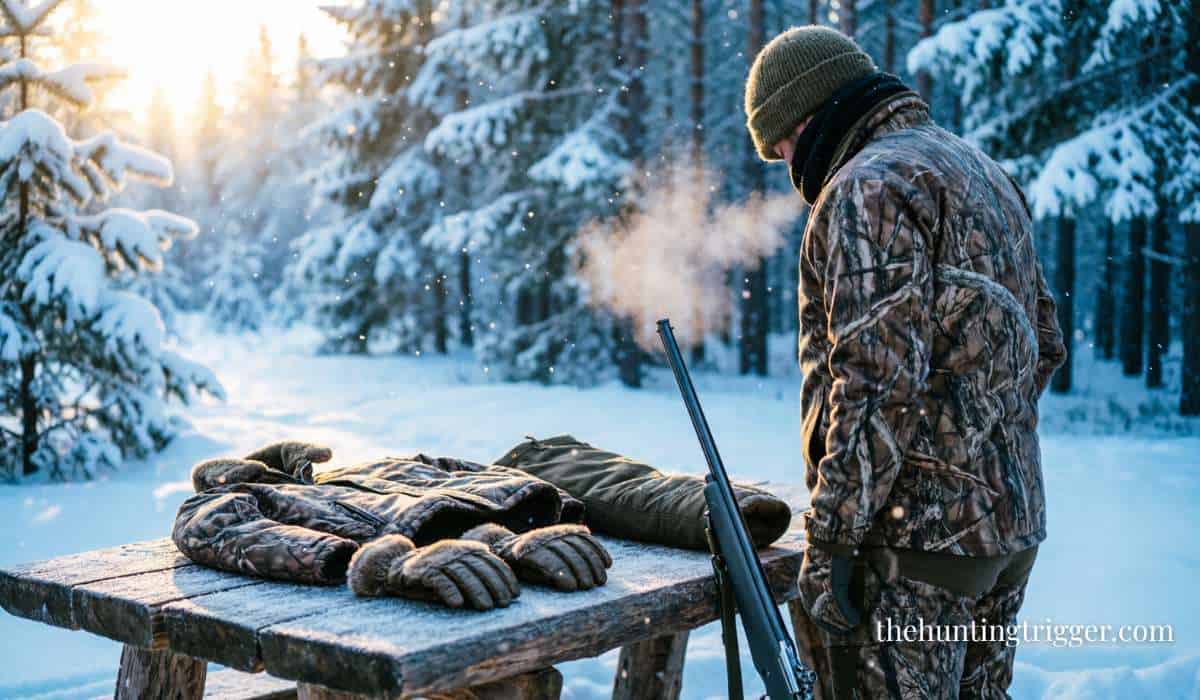
When cold weather sets in, hunting becomes a true test of preparation and gear. The wrong clothing can turn an exciting trip into a struggle, while the right outfit keeps you warm, silent, and focused. Many hunters underestimate just how quickly body heat is lost in freezing conditions.
In fact, research shows that up to 50% of heat can escape from the head and neck if not properly covered. When you are far from shelter, every layer matters.
Choosing hunting clothes for cold weather is more than just picking thick jackets. It’s about managing sweat, blocking wind, and staying dry, all while moving quietly in the field. This article guides you through what works, what to avoid, and how to layer effectively, so you stay safe and comfortable during your cold weather hunts.
Table of Contents
Why Specialized Cold Weather Hunting Clothes Matter?
Ordinary winter clothes are not enough for hunting. Regular coats and pants are often noisy and bulky. They may keep you warm in the city, but out in the woods, you need quiet fabrics, moisture control, and layering systems designed for active movement.
Hypothermia is a real risk if your clothing fails. Even in temperatures just above freezing, getting wet or sweating too much without proper layers can lead to rapid cooling. Specialized hunting clothes offer features like windproof membranes, breathable insulation, and scent control, which regular winter wear lacks.
The Essential Layering System
Layering is the foundation of effective cold weather hunting clothing. It allows you to adjust warmth and ventilation as your activity level changes.
Base Layer
The base layer sits next to your skin. Its main job is to wick moisture away, keeping you dry. Avoid cotton, as it holds sweat and cools you down fast. Look for synthetic materials or merino wool. For example, merino wool can absorb up to 30% of its weight in moisture without feeling wet, making it a top choice.
Mid Layer
The mid layer provides insulation. Fleece, down, or synthetic jackets trap heat but still allow sweat to escape. Some hunters prefer synthetic insulation because it dries faster and insulates even if wet, while down is lighter but loses warmth when soaked.
Outer Layer
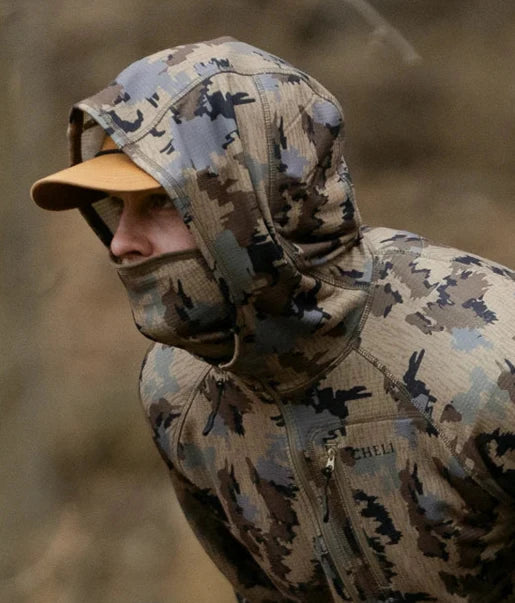
The outer layer, or shell, protects from wind, rain, and snow. It should be windproof and water-resistant but also quiet. Softshell or hardshell jackets designed for hunting often include silent fabrics and camouflage patterns that blend into the environment.
Key Features To Look For In Cold Weather Hunting Clothes
Not all hunting clothes are made equal. Here are important features to consider:
- Quiet Fabrics: Noisy clothes can ruin a hunt. Specialized fleece or brushed polyester is much quieter than traditional nylon or polyester jackets.
- Camouflage Patterns: Choose patterns that match your hunting area (forest, snow, or open field).
- Windproof and Waterproof Membranes: Wind can steal body heat quickly. Look for clothes with a windproof layer and DWR (durable water repellent) finish.
- Ventilation Options: Zippered vents under arms or in the legs help regulate temperature during high activity.
- Adjustable Hoods and Cuffs: These keep out cold air and snow.
- Scent Control Technology: Some clothes use activated carbon or silver fibers to reduce human scent, which can help when hunting deer or other sensitive animals.
- Reinforced Knees and Elbows: These areas wear out fast, especially if you crawl or kneel often.
- Pockets and Gear Loops: Easy access to gear without removing gloves is a big advantage.
Top Clothing Items For Cold Weather Hunting
1. Insulated Hunting Jackets
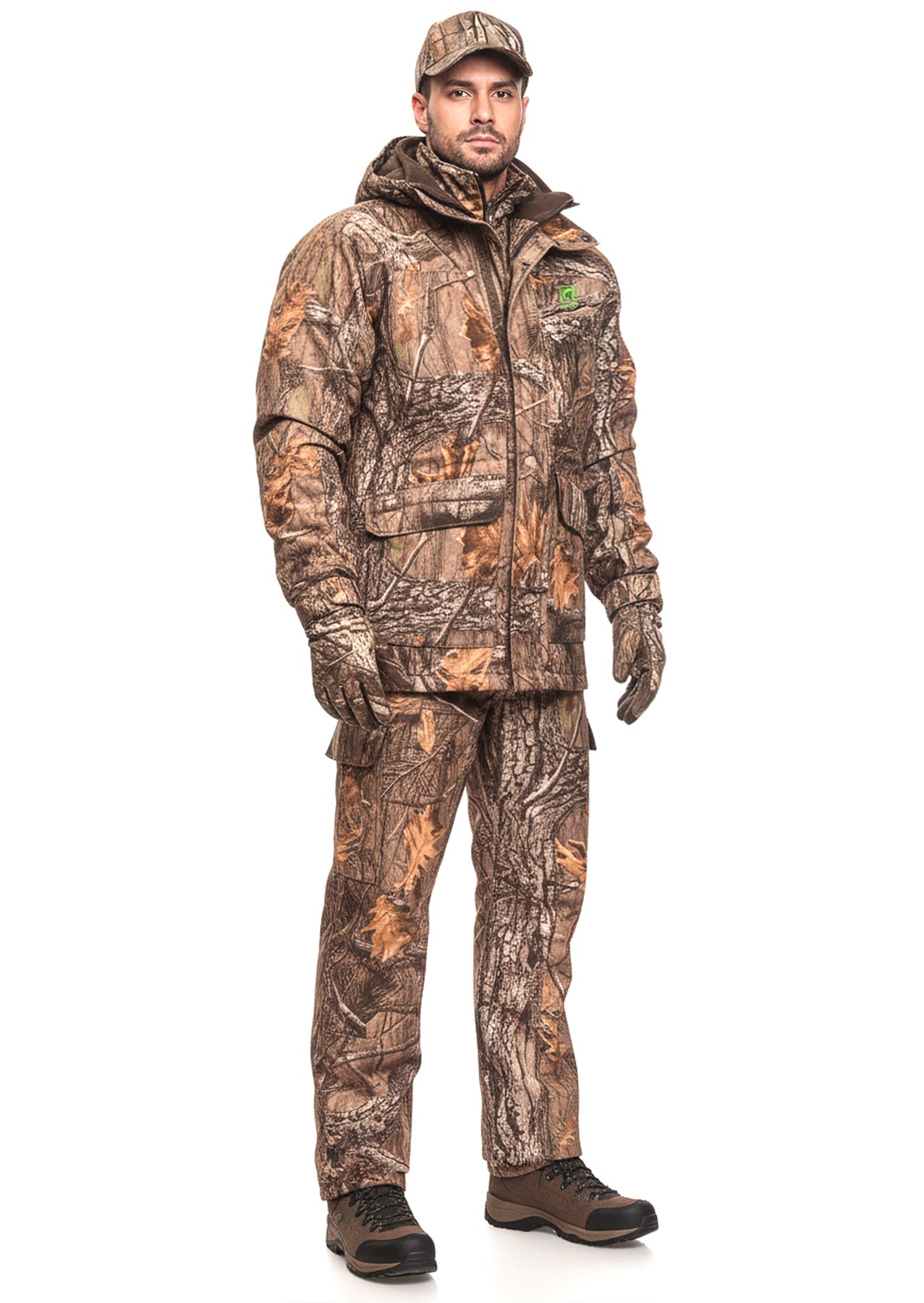
An insulated jacket is the core of your cold weather outfit. Modern jackets use lightweight synthetic or down fill for warmth. Look for windproof, water-resistant shells with a quiet finish. Some jackets also have removable hoods and extra-long backs to cover your lower body when sitting.
2. Bibs And Insulated Pants
Bibs offer more protection than regular pants by covering your chest and back. Insulated hunting pants and bibs with adjustable suspenders keep heat in and snow out. Many models have full-length side zippers for easy on/off over boots.
3. Thermal Base Layers
A good base layer is essential. Merino wool and synthetic blends are best. They stretch for movement and dry quickly. For very cold days, use heavyweight base layers.
4. Fleece Or Down Mid-layers
Fleece jackets or vests add insulation without bulk. Down mid-layers are very warm and light, but only use them in dry conditions or under a waterproof shell. Synthetic fill mid-layers work well even if they get damp.
5. Waterproof Outer Shell
A shell jacket and pants protect you from wind and precipitation. Choose softshell for less rain or hardshell for heavy snow or wet conditions. Ensure zippers are water-resistant and check for adjustable cuffs and hoods.
6. Insulated Boots
Cold feet can end a hunt early. Choose boots with at least 800g insulation for sub-freezing temperatures. Waterproof, breathable membranes like Gore-Tex keep water out but let sweat escape. Ensure your boots have deep treads for icy ground.
7. Wool Or Synthetic Socks
Layered socks help prevent blisters and keep feet dry. Start with a thin liner sock, then add a thick wool or synthetic outer sock. Avoid cotton, as it holds moisture.
8. Gloves And Mittens
Hands lose heat quickly. Use layered gloves: a thin liner for dexterity, then a thicker insulated glove or mitten over the top. Mittens are warmer, but gloves offer more finger movement.
9. Balaclavas And Face Masks
Up to 20% of body heat escapes from your head and neck. A balaclava, neck gaiter, or face mask adds critical warmth and can double as camouflage.
10. Insulated Hats
Choose hats with ear flaps or a full fleece lining. Some hunters use a beanie under a hood for extra warmth.
11. Hand And Toe Warmers
Disposable chemical warmers can be placed inside gloves and boots for extra warmth during long sits.
12. Gaiters
Gaiters wrap around your boots and lower legs to keep snow, water, and debris out.
13. Rain Gear
Even if your main shell is water-resistant, a lightweight packable rain suit can save a hunt if the weather turns bad.
14. Heated Clothing
Battery-powered vests, socks, and gloves provide extra warmth and are growing in popularity. Just remember to carry spare batteries in cold conditions.
Comparing Popular Insulation Types
Choosing the right insulation makes a big difference in warmth and comfort. Here is a quick comparison.
| Insulation Type | Warmth | Weight | Performance When Wet | Cost |
|---|---|---|---|---|
| Down | Very high | Very light | Poor | High |
| Synthetic | High | Light | Good | Medium |
| Fleece | Medium | Medium | Good | Low |
| Wool | High | Heavy | Excellent | Medium |
How To Layer For Maximum Warmth And Mobility
Wearing the right layers in the right order keeps you warm without overheating. Here’s a practical setup for a full-day hunt in freezing weather:
| Layer | Material | Purpose |
|---|---|---|
| Base Layer | Merino wool or synthetic | Wicks sweat, stays dry |
| Mid Layer | Fleece or synthetic jacket | Traps heat |
| Outer Layer | Waterproof, windproof shell | Blocks wind, rain, snow |
| Accessories | Hat, gloves, socks, gaiters | Protects extremities |
Adjust layers as your activity level changes. Remove your mid-layer when hiking uphill, and add it back when sitting still.
Common Mistakes To Avoid
Many hunters make errors that lead to discomfort or even danger in the cold. Here are a few things to watch out for:
- Wearing cotton: Cotton soaks up sweat and dries slowly, making you cold.
- Too many heavy layers: Bulk can restrict movement. Use fewer, higher-quality layers instead.
- Ignoring extremities: Cold feet, hands, or head will ruin your hunt faster than a chilly chest.
- Poor fit: Clothes that are too tight reduce insulation and circulation, while loose clothes let cold air in.
- Not adjusting layers: Overheating causes sweat, which cools you quickly when you stop moving.
Real-world Example: A Day In The Field
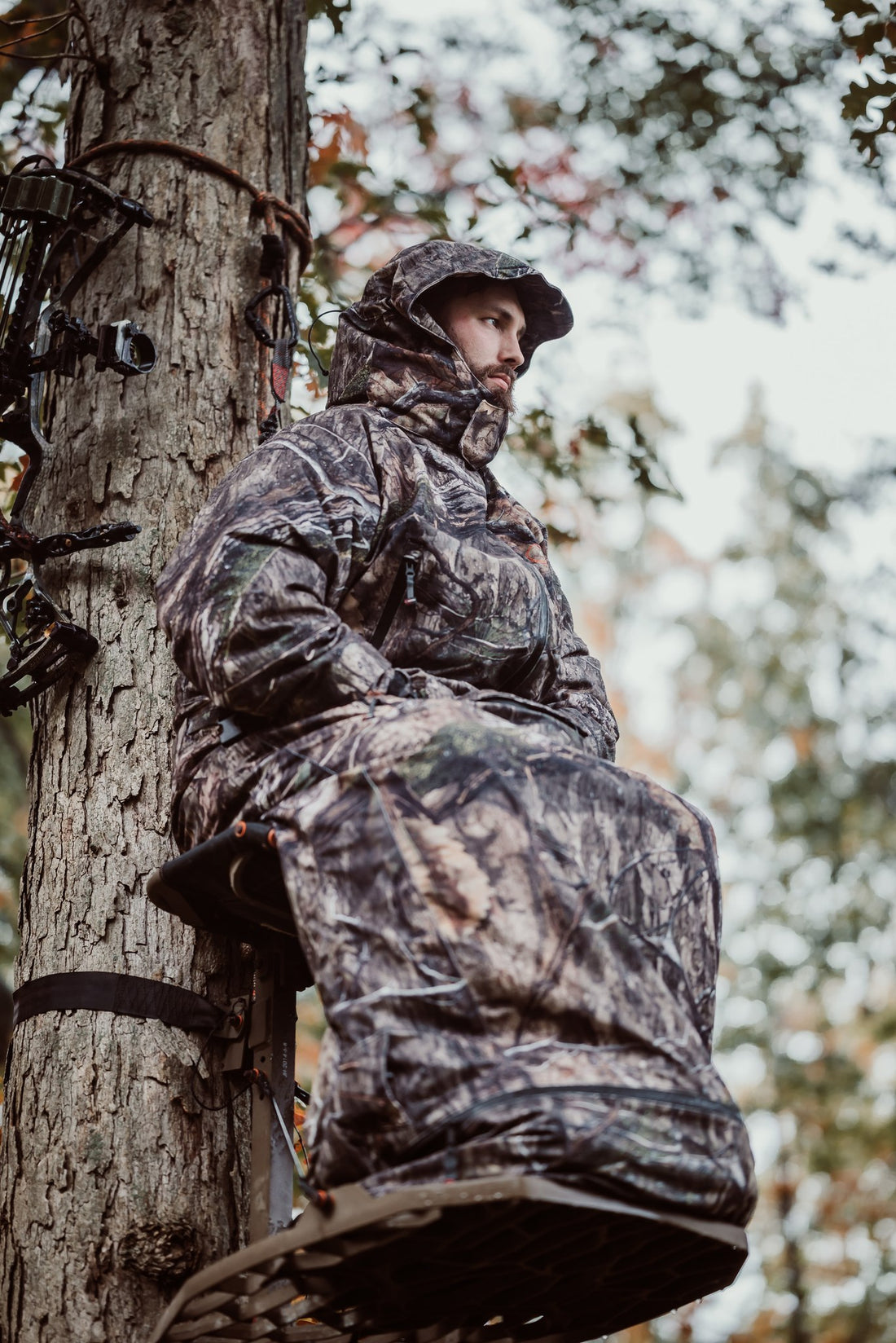
Imagine a late-season deer hunt in the Midwest. Morning temperatures are -5°C (23°F), and the wind is strong. You start with a merino wool base layer, a thick fleece pullover, insulated bibs, a windproof camo jacket, wool socks, insulated boots, and a fleece-lined hat.
As you walk to your stand, you unzip your jacket to let heat escape. Once seated, you zip up, pull on an extra neck gaiter, and add chemical hand warmers to your gloves. This setup keeps you warm, dry, and alert for hours.
Caring For Cold Weather Hunting Clothes
Proper care extends the life of your gear. Always wash technical fabrics with mild soap, not regular detergent, to maintain waterproof and scent control properties. Dry clothes completely before storing to prevent mold. Reapply DWR treatments to outer shells as needed.
Where To Buy Quality Hunting Clothes?
High-quality cold weather hunting gear is available from outdoor retailers and specialty hunting brands. Major names like Sitka, First Lite, and Cabela’s offer clothing designed for extreme conditions. Check reviews and look for real-world performance tests before buying.
Frequently Asked Questions
What Is The Best Material For Base Layers In Cold Weather Hunting?
Merino wool and high-quality synthetic fibers are best. They move sweat away from your skin, helping you stay dry and warm even during activity.
How Do I Keep My Feet Warm During Long Hunts?
Wear layered wool or synthetic socks, use insulated waterproof boots, and add toe warmers if needed. Avoid tight boots, as they reduce blood flow and warmth.
Are Heated Hunting Clothes Safe And Reliable?
Most modern heated clothing uses safe, low-voltage batteries and is reliable if you follow instructions. Always carry spare batteries and check gear before your trip.
Can I Use Regular Winter Clothes For Hunting?
Regular winter clothes lack quiet fabrics, camouflage, and scent control. They might keep you warm but can make you noisy and visible to animals.
How Often Should I Replace My Hunting Clothes?
Replace hunting clothes when they lose insulation, become noisy, or no longer protect from wind and rain. Proper care can extend their life for many years.
Lastly
Wearing the best hunting clothes for cold weather is not just about comfort—it’s about safety, success, and enjoying the outdoors even when the temperature drops. Invest in quality layers, adjust as needed, and you’ll be ready for whatever nature brings.

Leave a Reply