
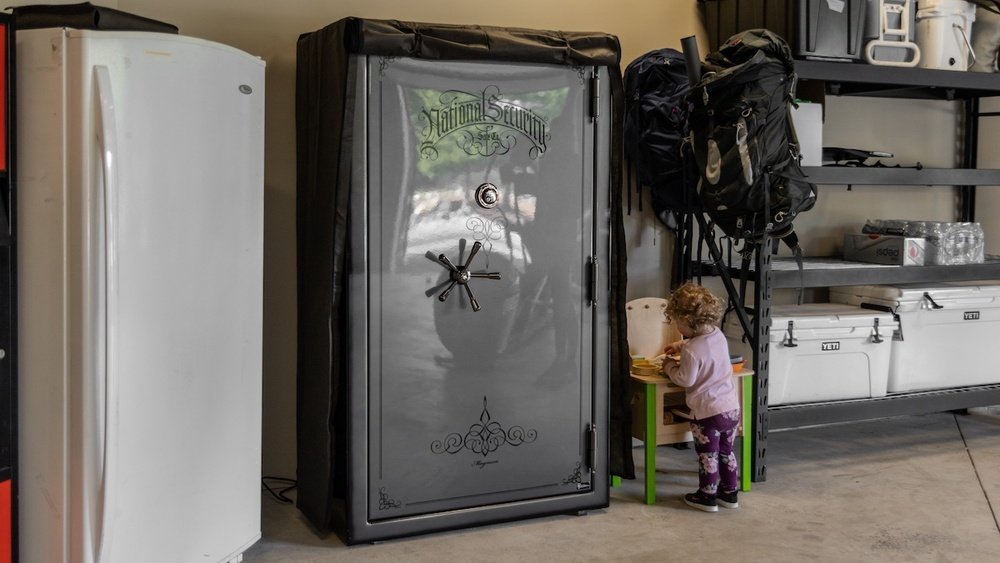
Keeping a gun safe in your home is important for security, but it also raises questions about privacy. Many people want to keep their gun safe out of sight—not just from visitors, but also from potential burglars. If someone cannot see or find your safe, it is less likely to be stolen or tampered with.
Hiding a gun safe is not just about putting it behind a curtain; it involves smart planning, the right location, and sometimes a bit of creativity. This article explains practical ways to hide a gun safe at home, common mistakes, and tips that most people overlook.
Table of Contents
Choosing The Right Location
The first decision is where to put your gun safe. The spot you choose makes a big difference in how well the safe is hidden. Think about who enters your home, the layout, and how often you need access.
Popular Hiding Spots
1. Closets
A closet is a classic hiding spot. It keeps the safe away from open spaces. For best results, pick a closet that is not in a main hallway or master bedroom, since burglars often check these areas first.
2. Basements
Basements are often out of sight. If your basement is finished and dry, it can be a good option. Make sure you protect your safe from moisture.
3. Behind Furniture
Placing a safe behind a large piece of furniture, like a dresser or bookshelf, can make it less obvious. Anchor the furniture so it is not easy to move.
Is it possible to make a gun safe yourself
4. Inside Walls
Wall safes fit between studs and can be hidden behind a mirror, painting, or panel. These work best for smaller gun safes.
5. Under The Stairs
The space under stairs is often wasted. Use it for a safe, but add a door or panel that blends with the wall.
Areas To Avoid
Burglars often check the master bedroom, living room, and home office first. Avoid these if possible. Also, do not place your gun safe near windows, where it can be seen from outside.
Creative Hiding Methods
Sometimes, a little creativity can make a big difference. Here are some less common ways to hide your gun safe.
1. False Cabinets
Build or buy a cabinet with a hidden compartment. The safe sits inside, and the cabinet looks normal. This works well in kitchens or home offices.
2. Fake Electrical Panels
Install a safe behind a panel that looks like an electrical breaker box. Few people will open it.
3. Hidden Room Or Closet
If you are building or remodeling, consider a hidden closet. A bookcase door or a wall panel can conceal the entrance.
4. Attics
An attic is not an obvious place for a safe. Just make sure the floor can support the weight, and you have safe access.
5. Under Floorboards
Create a hidden compartment under a removable floorboard. This method needs careful planning, but is very effective.
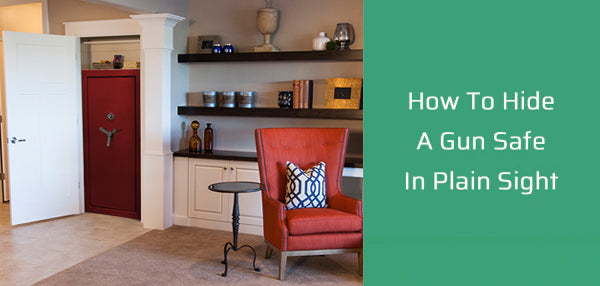
Comparing Hiding Options
Different hiding spots have pros and cons. The table below shows a quick comparison:
| Hiding Spot | Security Level | Accessibility | Cost |
|---|---|---|---|
| Closet | Medium | High | Low |
| Basement | High | Medium | Medium |
| Behind Furniture | Low | High | Low |
| Inside Walls | Medium | Medium | Medium |
| Under Floorboards | High | Low | High |
Installation Tips For Better Concealment
Even the best hiding spot will not work if the safe is installed poorly. Here are some tips:
- Anchor your safe. Use heavy bolts to secure it to the floor or wall. A hidden safe that is not anchored can still be carried away.
- Camouflage the entrance. Use matching paint, baseboards, or panels so the safe blends in.
- Keep the area tidy. A messy area can draw attention. Keep your hiding spot clean and ordinary looking.
- Limit who knows. Only tell trusted people about the safe’s location.
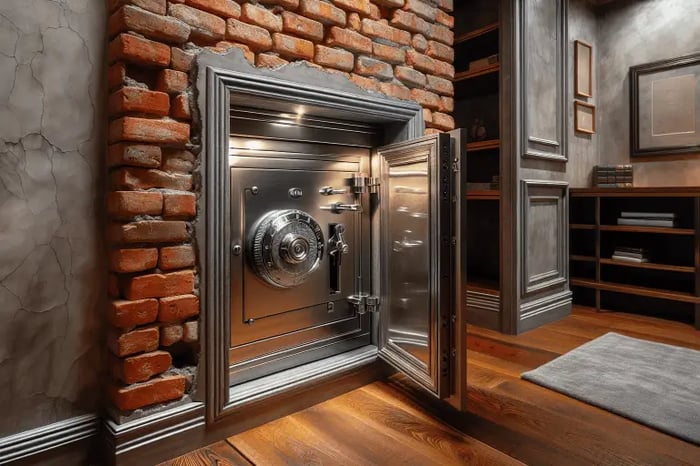
Mistakes To Avoid
Many people make simple errors that make their safe easier to find or steal.
1. Obvious Outlets
If your hidden safe is in a spot that looks out of place (like a large cabinet in a hallway), it can attract attention.
2. Lack Of Anchoring
Not securing the safe makes it easy for thieves to take the whole safe.
3. Advertising Security
Posting security signs or stickers can make burglars think you have valuables.
4. Ignoring Moisture
Basements and attics can be damp. Moisture can damage guns and the safe itself. Use a dehumidifier if needed.
5. Forgetting About Access
Some hiding spots are so well hidden that even you have trouble getting to the safe quickly.
Technology And Modern Solutions
Modern gun safes come with extra features that can help with hiding and protection.
- Biometric locks: Quick access for you, but harder for others.
- Silent alarms: Some safes send alerts to your phone if someone tampers with it.
- Remote monitoring: Lets you check on your safe from anywhere.
Here is a look at popular safe features:
| Feature | Benefit | Drawback |
|---|---|---|
| Biometric Lock | Fast access | Needs batteries |
| Silent Alarm | Alerts owner | Extra cost |
| Remote Monitoring | Check anytime | Needs Wi-Fi |
Factors To Consider Before Hiding
Before you hide your gun safe, think about these questions:
- How often do you need access? If you use your gun for home defense, do not place the safe somewhere hard to reach.
- Who lives in the house? Make sure children or guests cannot find or reach the safe by accident.
- Weight and size: Heavy safes need strong floors. Measure carefully before moving the safe.
- Home insurance: Some insurance companies require you to tell them where valuables are stored. Check your policy.
Winchester gun safe code reset guide
Advanced Hiding Ideas
Some people use more advanced ideas for extra security.
- In-wall safes with RFID panels: The safe is opened by a hidden chip or card, and the panel looks like part of the wall.
- Hidden compartments in stairs: Each step lifts up to reveal a storage space.
- False HVAC vents: The vent looks real but is actually a door to a small safe.
Most of these require expert installation. But they offer strong security and are very hard to spot.
Common Myths About Hiding Gun Safes
People often believe that a hidden safe is enough protection. But security is about layers. A well-hidden safe slows down a thief, but strong locks and alarms are still needed. Also, never think that hiding a safe in the garage or shed is secure—these places are easy targets.
Frequently Asked Questions
What Is The Best Room To Hide A Gun Safe?
The best room is one that is used often but not expected to have valuables, such as a guest room closet or a finished basement.
How Do I Keep Moisture Out Of My Hidden Safe?
Place a dehumidifier or silica gel packs inside the safe, especially if it is in a basement or attic.
Is It Safe To Put A Gun Safe In The Garage?
Generally, no. Garages are easy to break into, and temperature changes can damage guns and electronics.
Honest review of kaer gun safes
Can I Move A Heavy Gun Safe By Myself?
It is not safe to move a heavy safe alone. Use a professional mover or ask for help to avoid injury or damage.
Should I Tell Anyone Where My Gun Safe Is?
Only tell people you trust and who may need access in an emergency, such as a spouse or close family member.
Finally
Hiding a gun safe is about more than just finding a secret spot. It requires good planning, smart choices, and a bit of creativity. With these tips, you can keep your firearms secure and out of sight, making your home safer for everyone.


Leave a Reply