
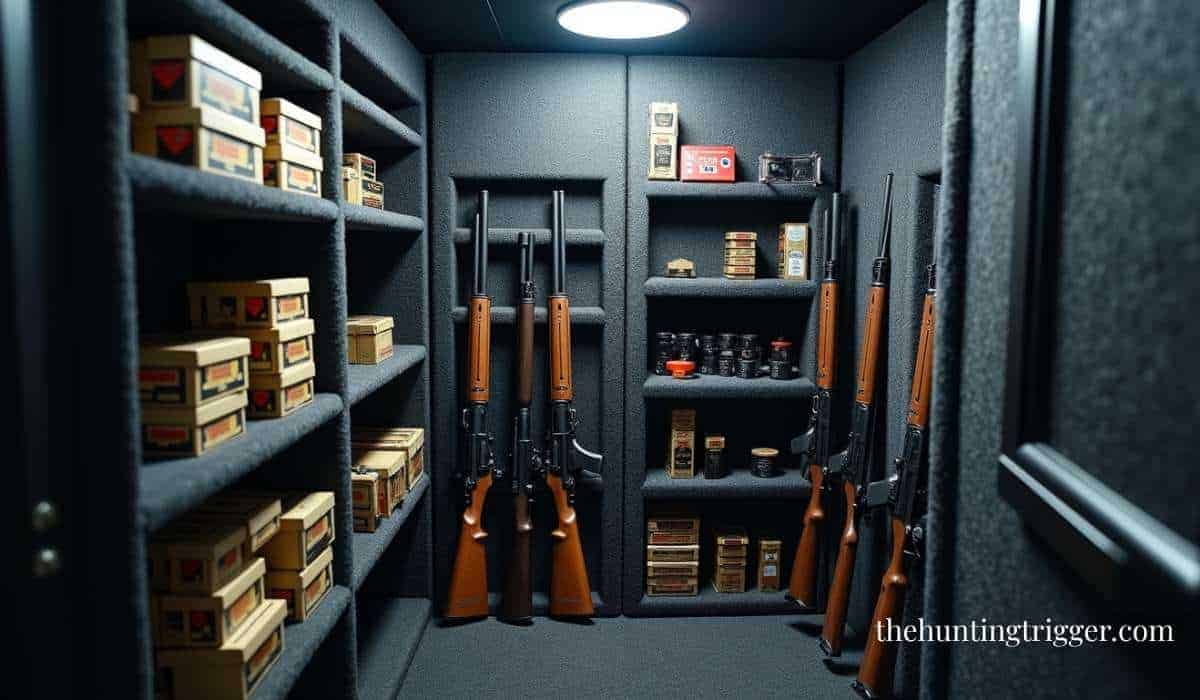
Organizing a gun safe may seem simple, but it can quickly become a challenge as your collection grows. A messy safe wastes time, causes frustration, and can even be dangerous in an emergency. Proper arrangement protects your firearms, maximizes space, and helps you access what you need quickly.
Whether you own a few handguns or several long guns, smart organization makes a big difference.
Table of Contents
Why Gun Safe Organization Matters?
A well-organized safe means more than just neatness. It helps you keep firearms secure, ensures quick access when necessary, and keeps everything in good condition. Poor arrangement can lead to scratches, moisture build-up, or even accidents. According to the National Shooting Sports Foundation, safe storage reduces the risk of theft and misuse.
Assess Your Collection First
Before moving anything, check what you have. Empty your gun safe and sort all items. Count your firearms, ammunition, and accessories. Separate by type: handguns, rifles, shotguns, magazines, and cleaning kits.
This step helps you:
- See if your safe is big enough.
- Identify unused or broken items.
- Plan better storage for each category.
If your safe feels too small, you may need to upgrade or remove rarely used items.
Group Items By Type And Frequency
The next step is to decide what you use most. Put everyday firearms in the easiest-to-reach spots. Store rarely used guns at the back or bottom.
Common categories:
- Handguns – Compact, often used for home defense.
- Long guns – Rifles and shotguns, usually larger.
- Ammunition – Keep in original boxes, away from moisture.
- Magazines – Group by size and type.
- Accessories – Scopes, cleaning tools, ear protection.
This grouping helps you find items fast and prevents damage from overcrowding.
Use Storage Accessories
Simple accessories can help you use space better and keep things tidy. Here are some popular choices:
- Handgun racks – Stand handguns upright and save shelf space.
- Door organizers – Store pistols, magazines, or documents on the door.
- Silica gel packs – Absorb moisture and prevent rust.
- Gun socks – Protect from scratches and dust.
- Magazine holders – Keep loaded and empty magazines separate.
Here is a comparison of common storage accessories:
| Accessory | Main Benefit | Best For |
|---|---|---|
| Handgun Rack | Space saving | Multiple pistols |
| Door Organizer | Extra storage | Small items |
| Silica Gel | Moisture control | All safes |
Arrange Firearms Safely
How you place each gun matters. Always point muzzles in a safe direction, usually down or away from the door. Do not stack firearms on top of each other. Use racks for handguns and soft padding for long guns.
For those with many rifles, a vertical rack prevents them from falling or sliding. Long guns should go against the wall, with enough space between each one to avoid scratching.
Store Ammo And Accessories Separately
Mixing ammunition and firearms is not safe. If possible, store ammo on a separate shelf or box within the safe. This reduces the chance of accidental discharge.
For accessories, group items like:
- Cleaning kits
- Scopes and optics
- Holsters
- Important documents
Put items you rarely use toward the back or in a separate compartment.
Maximize Space With Smart Placement
If your safe is small, you need to use every inch wisely. Stack shelves for small items. Place heavy items on the bottom to prevent tipping. Store pistols on the door or in racks. Keep long guns upright.
Here’s a quick comparison of common gun safe layouts:
| Layout Type | Best For | Drawback |
|---|---|---|
| Vertical | Long guns, rifles | Less room for handguns |
| Shelved | Handguns, ammo, accessories | May limit rifle space |
| Mixed | All types | Requires custom setup |
Control Humidity And Cleanliness
Moisture is a silent enemy for guns. Use dehumidifiers or silica gel packs to keep the inside dry. Wipe down firearms with a soft cloth before storing. Clean your safe every few months to prevent dust and rust.
A study by the American Rifleman shows that even small amounts of moisture can cause rust in less than a month. Regular checks help you spot problems early.

Create An Inventory List
Keep a simple record of what’s inside your safe. Write down make, model, serial number, and location for each firearm. This list helps if you need to report theft or loss. Store a copy in a separate place, such as a secure cloud account or a safe deposit box.
Common Mistakes To Avoid
Many people make the same errors with gun safes. Here’s what to watch for:
- Overfilling – Leads to damage and slow access.
- Mixing ammo and guns – Increases risk.
- No moisture control – Causes rust.
- No inventory – Hard to track items.
- Ignoring safe weight limits – Can damage shelves.

When To Reorganize Your Safe
Check your safe every few months. If you buy new guns or accessories, adjust your setup. If you notice crowding or items are hard to reach, it’s time to rearrange.
Example: Home Defense Setup
For home defense, keep your main firearm in the front and loaded magazines nearby. Store other guns and ammo further back. Put important documents, like permits, in a door organizer. This way, you can reach what you need quickly in an emergency.
Security And Legal Reminders
Always keep your safe locked. Share the code or key only with trusted adults. Check local laws about storage requirements.
Frequently Asked Questions
How Often Should I Organize My Gun Safe?
Every three to six months is a good rule. If your collection changes often, check more frequently.
What Is The Best Way To Store Ammo In A Gun Safe?
Store ammo in its original box, on a separate shelf or in a locked compartment. Keep it dry and away from firearms if possible.
Are Dehumidifiers Necessary For All Safes?
Yes, if you live in a humid area. Even in dry places, using silica gel or a small dehumidifier is a smart idea.
Can I Put Other Valuables In My Gun Safe?
Yes, but avoid overfilling. Important documents, jewelry, and cash can go in a small compartment or the door organizer.
What Should I Do If My Safe Is Too Small?
Consider upgrading to a larger safe or storing less-used firearms elsewhere. Never force items to fit, as this risks damage and slows access.

Lastly
Organizing your gun safe is not just about looks—it’s about safety, speed, and protecting your investment. With these steps, you can keep your collection safe, accessible, and in top condition for years.

Leave a Reply